" transform="translate(2.266 2.266)" width="17.218780000000002px"/><path d="M 8.156 4.078 C 8.156 5.16 7.727 6.197 6.962 6.962 C 6.197 7.727 5.16 8.156 4.078 8.156 C 2.997 8.156 1.959 7.727 1.194 6.962 C 0.43 6.197 0 5.16 0 4.078 C 0 2.997 0.43 1.959 1.194 1.194 C 1.959 0.43 2.997 0 4.078 0 C 5.16 0 6.197 0.43 6.962 1.194 C 7.727 1.959 8.156 2.997 8.156 4.078 Z" fill="transparent" height="8.15622px" id="O9Ncbsd4H" stroke-dasharray="" stroke-linecap="butt" stroke-linejoin="miter" stroke-miterlimit="10" stroke-width="1.35938" stroke="rgb(31, 31, 31)" transform="translate(6.797 6.797)" width="8.15622px"/><path d="M 0.009 0 L 0 0" fill="transparent" height="1px" id="twDD_I79T" stroke-dasharray="" stroke-linecap="round" stroke-linejoin="round" stroke-width="1.8125" stroke="rgb(31, 31, 31)" transform="translate(15.857 5.891)" width="1px"/></svg>)
" transform="translate(2.719 2.719)" width="16.312450191802977px"/></svg>)
Apr 24, 2026 - Events
A NIGHT WITH BLACK COFFEE IN LAGOS
Apr 24, 2026 - Events
A NIGHT WITH BLACK COFFEE IN LAGOS
Apr 24, 2025 - Written by Black noise magazine
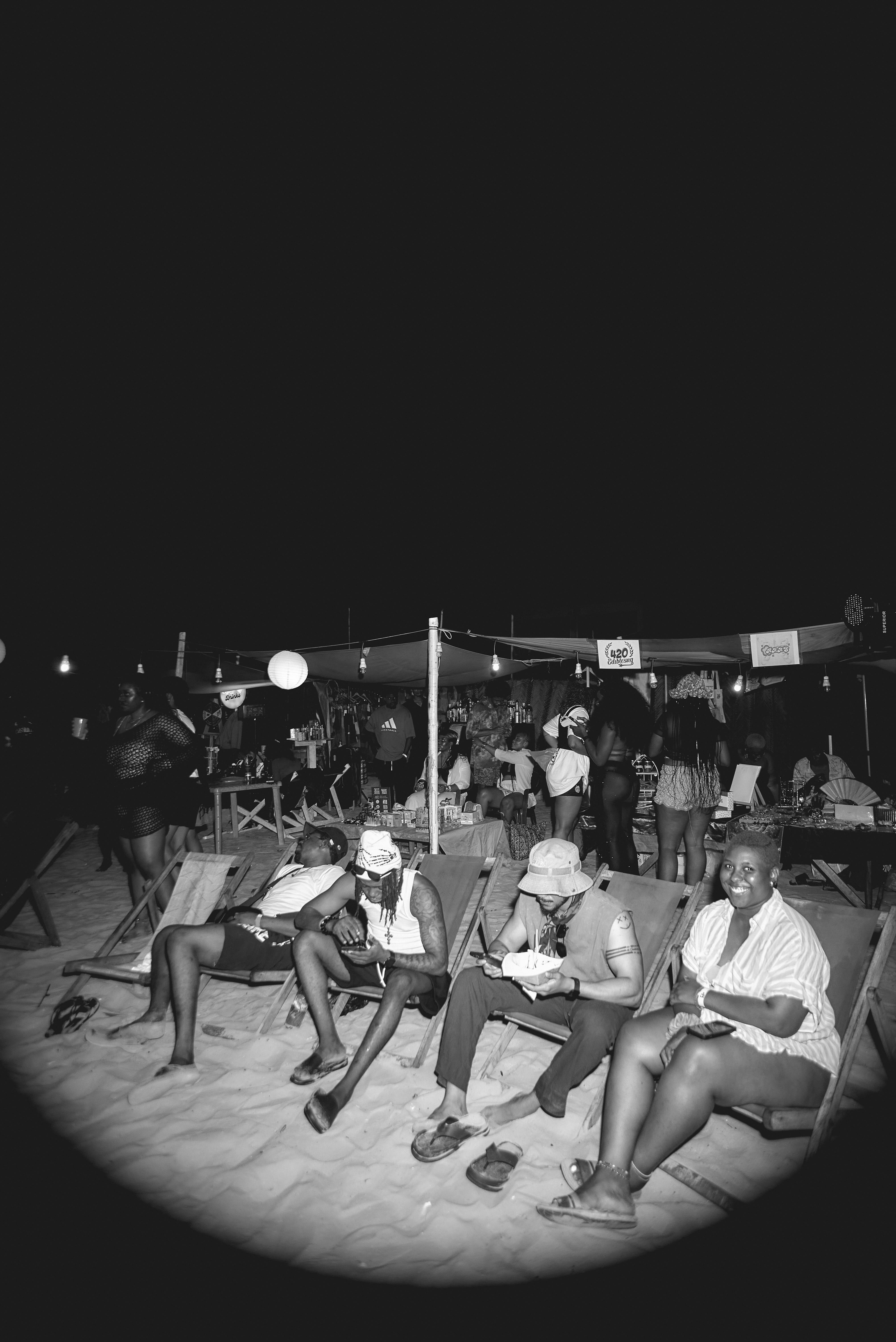
There is a difference between a crowd that arrives to witness something and one that arrives already in conversation with it, and what unfolded over the course of the night was unmistakably the latter, a room that did not need to be introduced to the music or persuaded into it, but one that recognised it immediately and responded with a kind of quiet certainty that only comes from familiarity built over time.
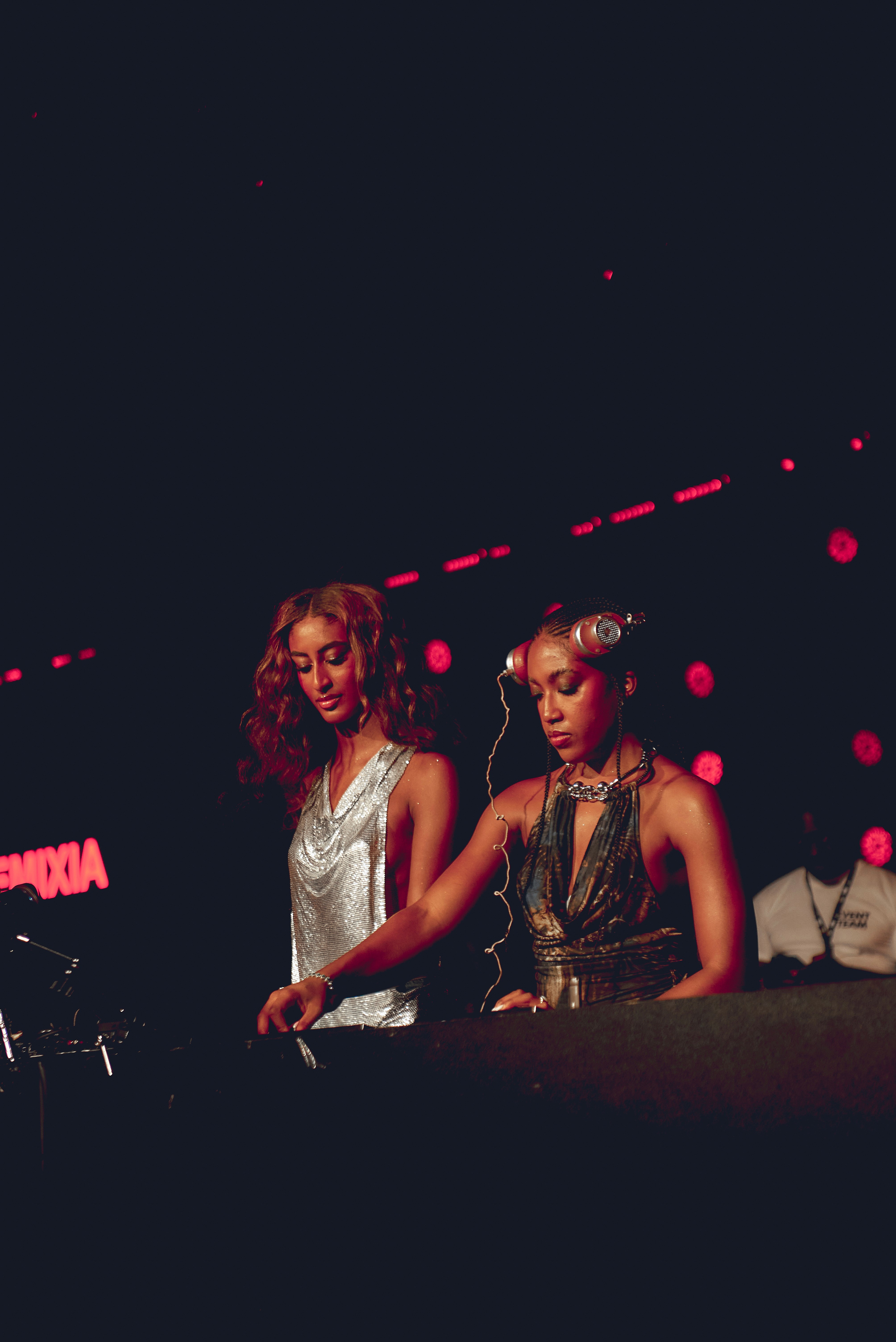
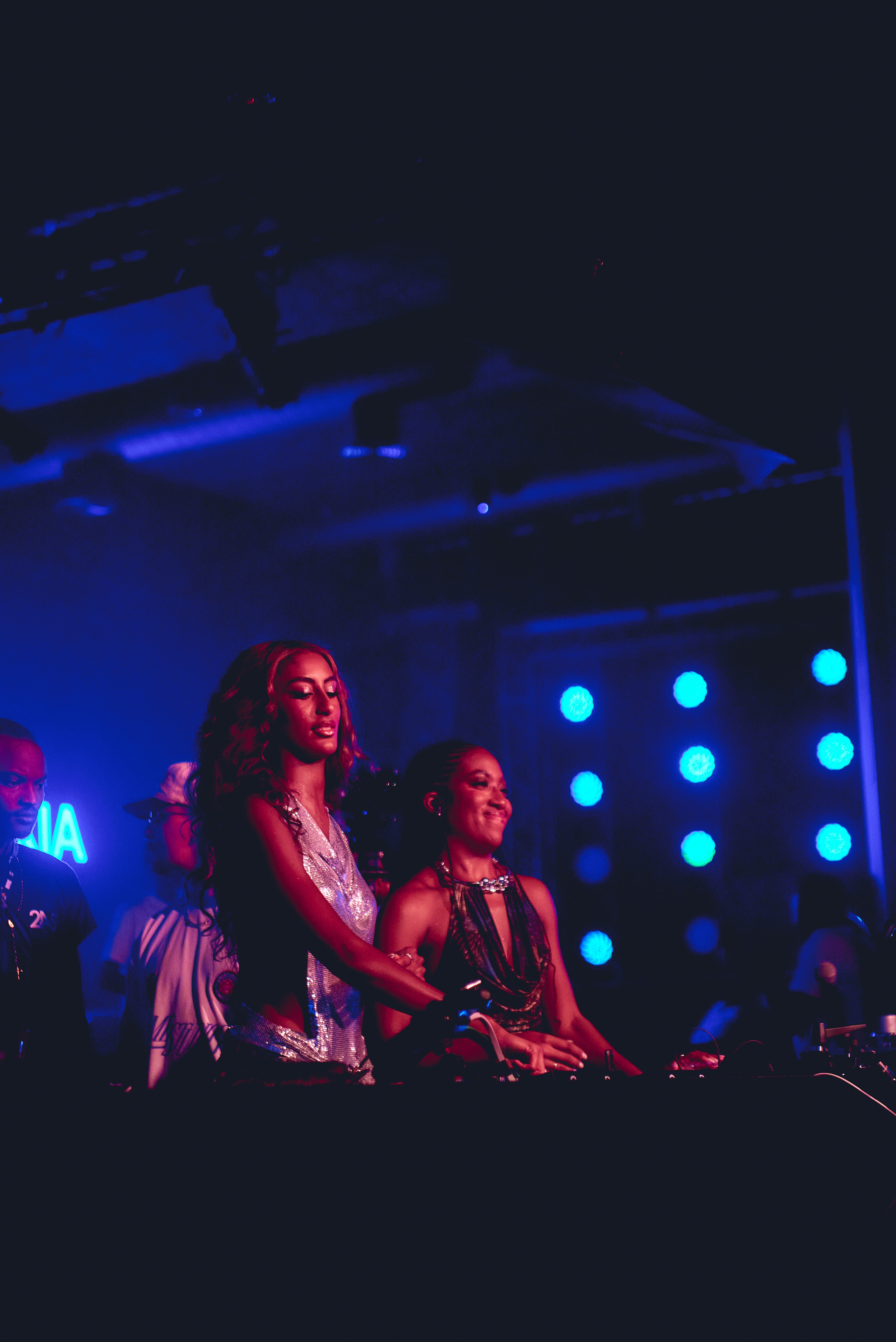
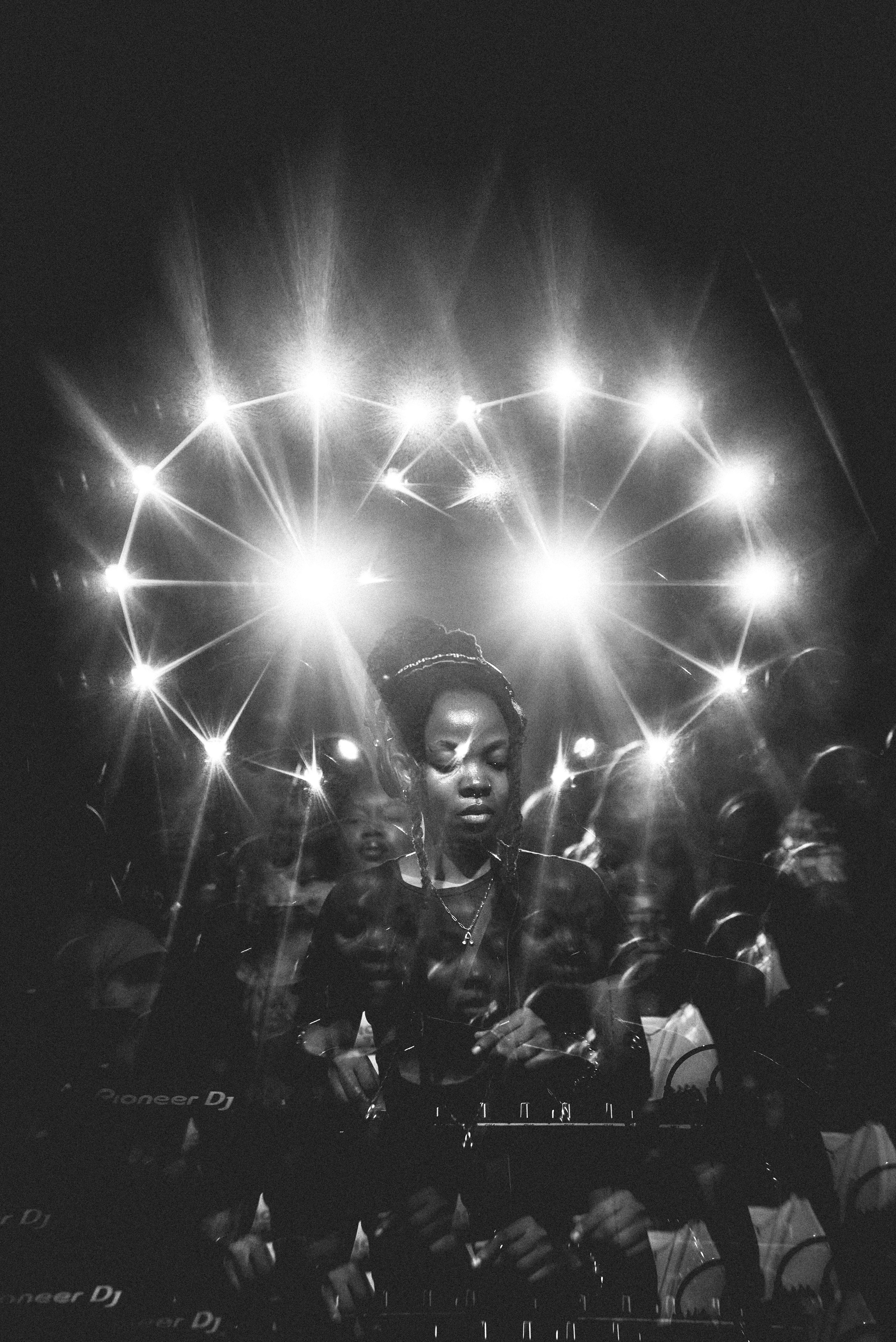
From early on, that understanding began to take shape, not through any single defining moment but through a gradual settling, as Remixia and Addy Edgal moved through selections that refused urgency, allowing grooves to stretch out fully, resisting the impulse to rush toward reaction, and in doing so asking the room to meet them halfway, to listen, to adjust, to stay with the music long enough for it to reveal itself. What followed with Massuma felt like a continuation of that same conversation, but with a slight tightening of energy, the kind that doesn’t disrupt the flow but sharpens it, drawing people further in without needing to announce the shift.
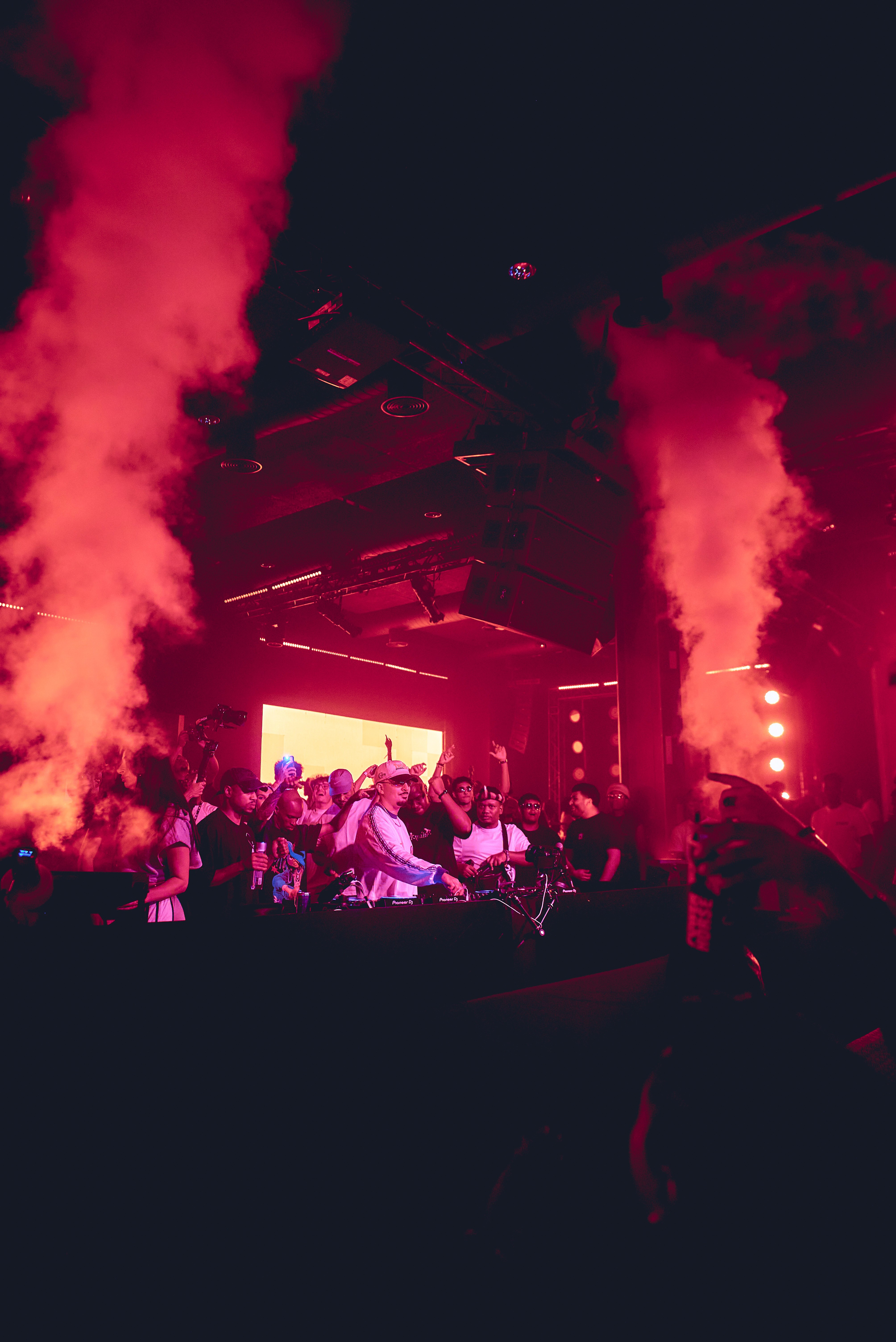
By the time the back-to-back between Caiiro, Da Capo, and Enoo Napa unfolded, the room had already aligned itself with the pace of the night, and what might have otherwise read as a headline moment instead felt like an extension of something already in motion, three distinct approaches dissolving into a single continuous line, built on trust in the music and an understanding of how to hold tension without breaking it too quickly.
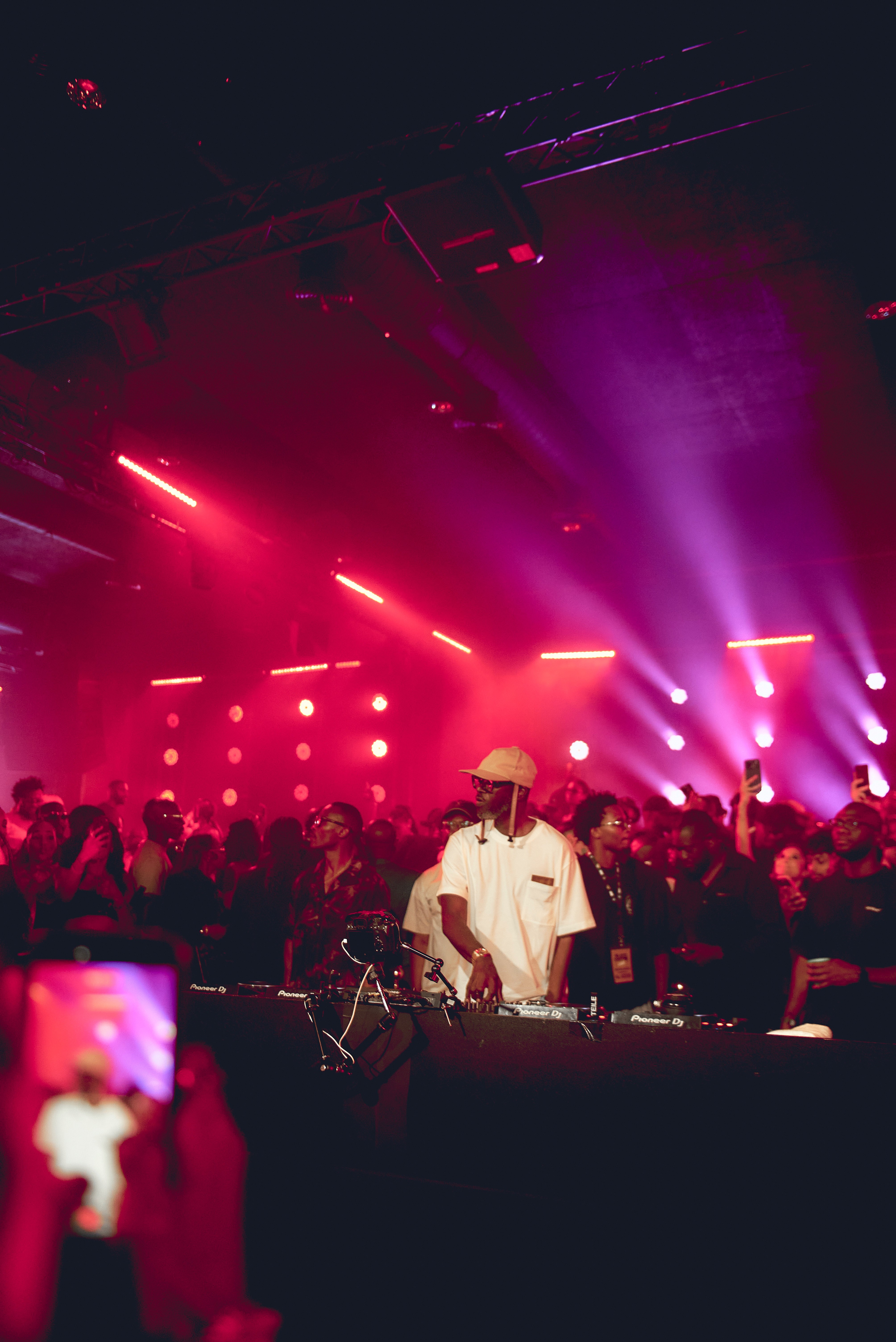
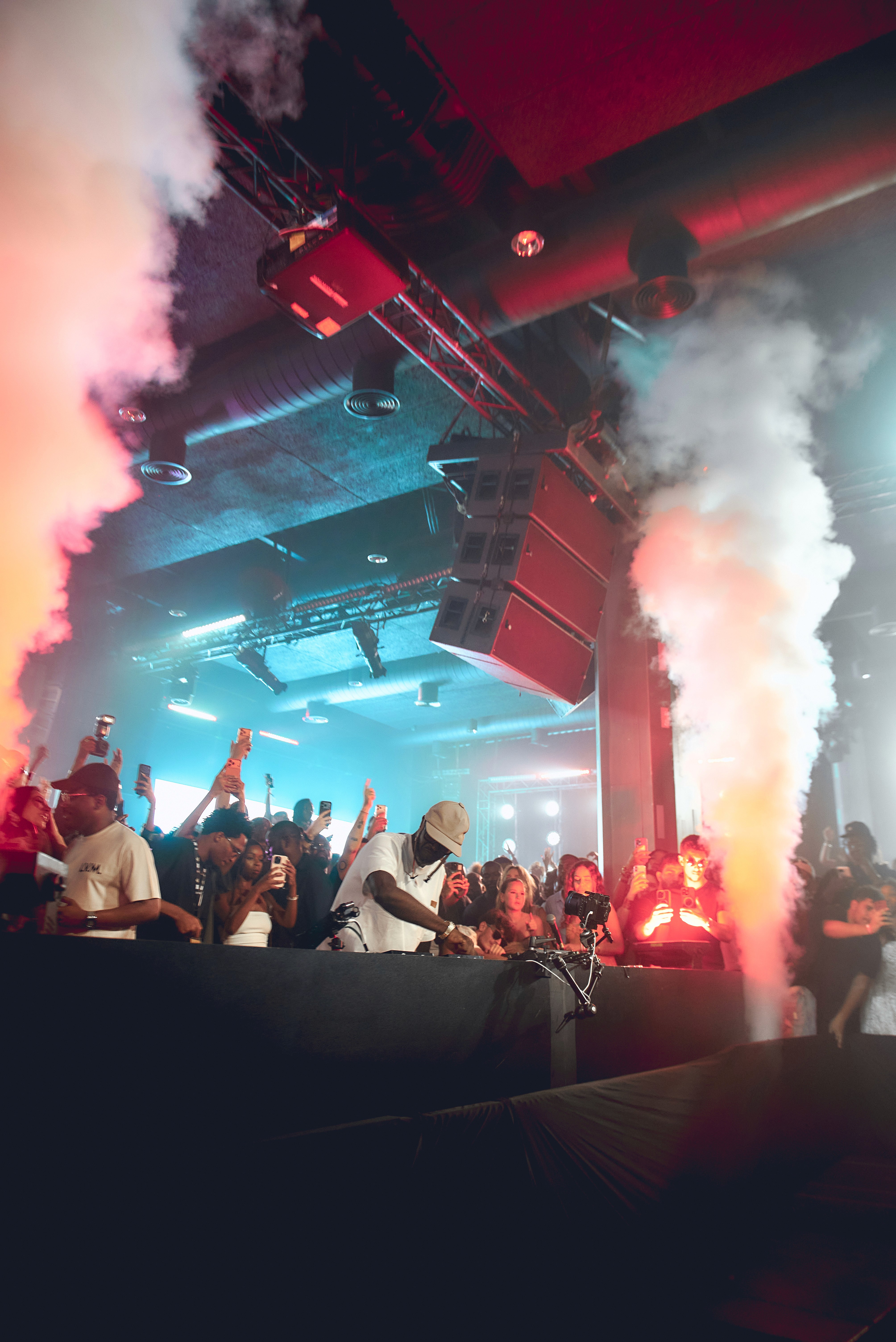
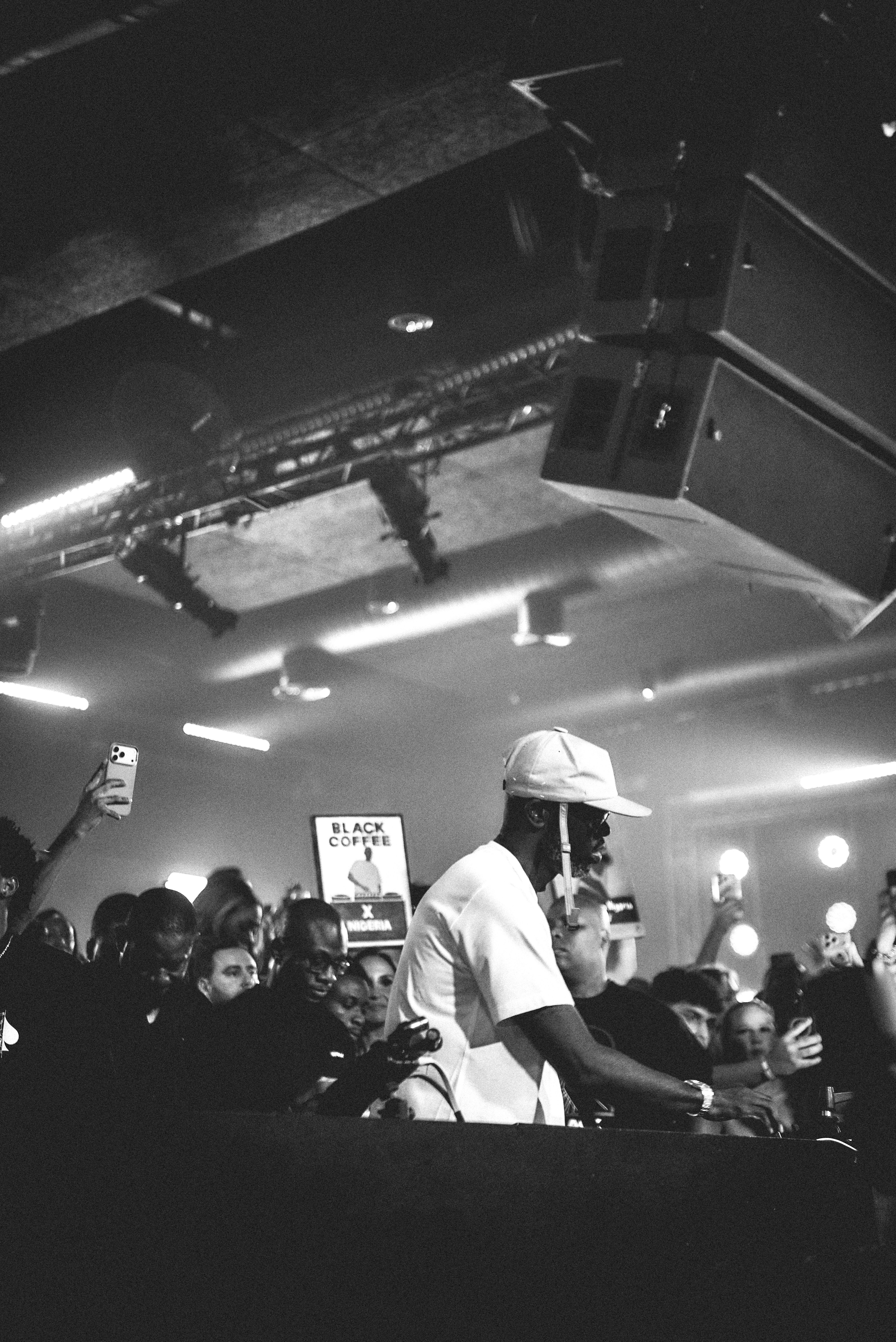
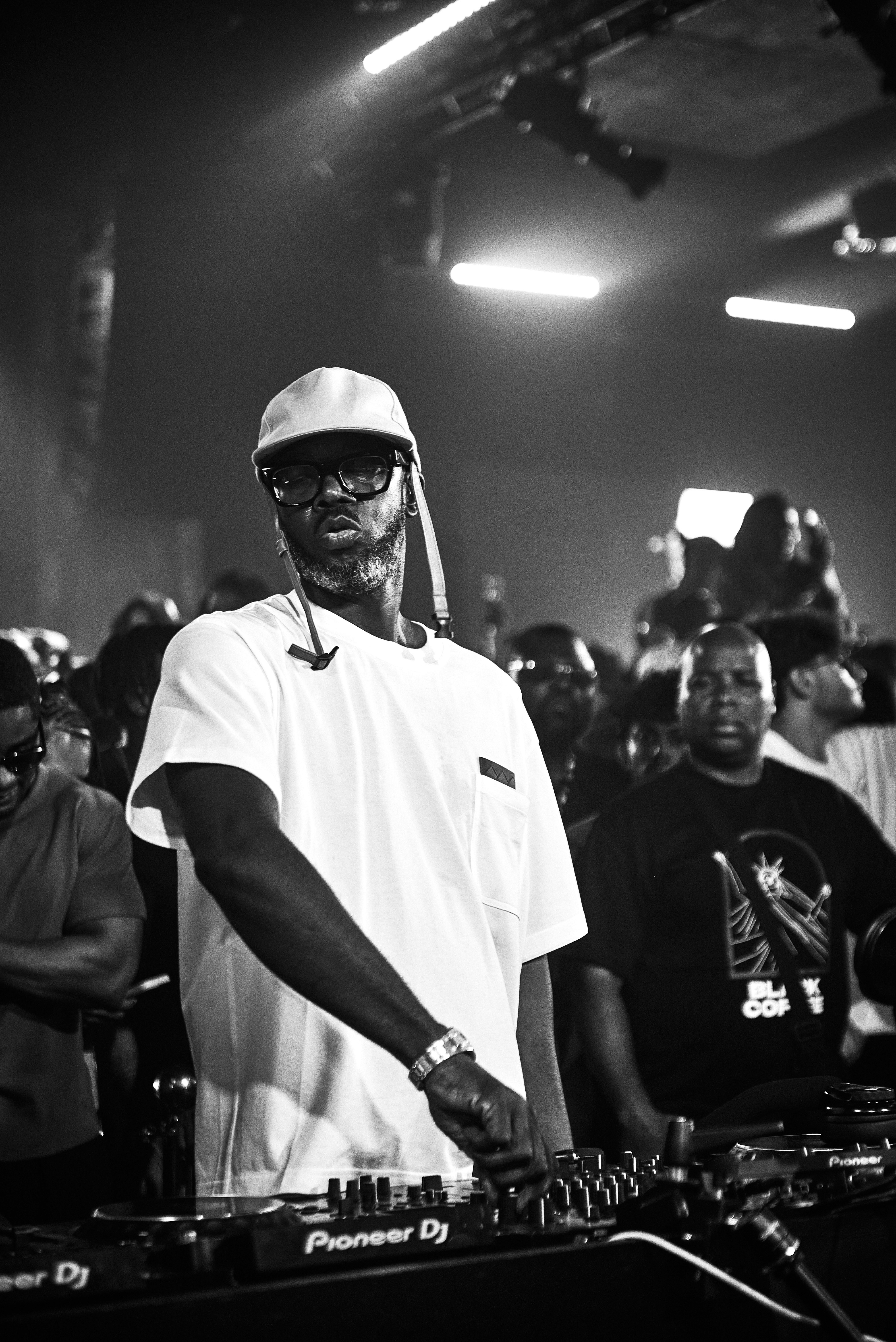
When Black Coffee finally stepped in, there was no sense of reset or escalation, no need to reclaim the room or redirect it, only the subtle work of guiding something that was already fully formed, allowing it to move, to expand, to breathe. His presence didn’t change the night so much as it clarified it, bringing into focus what had been building from the very beginning. Even moments that could have tipped into spectacle, like the return of “Superman,” landed with a different kind of weight, not as a peak engineered for reaction, but as something closer to collective memory, a track that had existed privately for years now re-entering the room in a shared, physical way.
What stayed with you was not any single transition or standout moment, but the consistency of attention, the way the crowd held itself in relation to the music, resisting distraction, resisting the impulse to treat the night as something to be consumed in fragments. There was a discipline to it, subtle but unmistakable, that spoke to something larger than the event itself.
Lagos has hosted nights of this scale before, but this felt different in a way that is difficult to overstate without overstating it, less like a scene proving its capacity and more like one that has already settled into its own language, one that no longer needs translation, either for itself or for anyone watching from the outside.
Apr 24, 2025 - Written by Black noise magazine
There is a difference between a crowd that arrives to witness something and one that arrives already in conversation with it, and what unfolded over the course of the night was unmistakably the latter, a room that did not need to be introduced to the music or persuaded into it, but one that recognised it immediately and responded with a kind of quiet certainty that only comes from familiarity built over time.
From early on, that understanding began to take shape, not through any single defining moment but through a gradual settling, as Remixia and Addy Edgal moved through selections that refused urgency, allowing grooves to stretch out fully, resisting the impulse to rush toward reaction, and in doing so asking the room to meet them halfway, to listen, to adjust, to stay with the music long enough for it to reveal itself. What followed with Massuma felt like a continuation of that same conversation, but with a slight tightening of energy, the kind that doesn’t disrupt the flow but sharpens it, drawing people further in without needing to announce the shift.
By the time the back-to-back between Caiiro, Da Capo, and Enoo Napa unfolded, the room had already aligned itself with the pace of the night, and what might have otherwise read as a headline moment instead felt like an extension of something already in motion, three distinct approaches dissolving into a single continuous line, built on trust in the music and an understanding of how to hold tension without breaking it too quickly.
When Black Coffee finally stepped in, there was no sense of reset or escalation, no need to reclaim the room or redirect it, only the subtle work of guiding something that was already fully formed, allowing it to move, to expand, to breathe. His presence didn’t change the night so much as it clarified it, bringing into focus what had been building from the very beginning. Even moments that could have tipped into spectacle, like the return of “Superman,” landed with a different kind of weight, not as a peak engineered for reaction, but as something closer to collective memory, a track that had existed privately for years now re-entering the room in a shared, physical way.
What stayed with you was not any single transition or standout moment, but the consistency of attention, the way the crowd held itself in relation to the music, resisting distraction, resisting the impulse to treat the night as something to be consumed in fragments. There was a discipline to it, subtle but unmistakable, that spoke to something larger than the event itself.
Lagos has hosted nights of this scale before, but this felt different in a way that is difficult to overstate without overstating it, less like a scene proving its capacity and more like one that has already settled into its own language, one that no longer needs translation, either for itself or for anyone watching from the outside.
Black Noise Mag
Black Noise Mag
Black Noise Mag