Jun 4, 2026 - Profiles
BACK HOME, BLACK ELEKTRONIKA BEGINS A RITUAL
From hip-hop in Milan to techno in Berlin, Sunny returns with a new language

Jun 4, 2026 - Profiles
BACK HOME, BLACK ELEKTRONIKA BEGINS A RITUAL
From hip-hop in Milan to techno in Berlin, Sunny returns with a new language

Jun 4, 2026 - Written by Kufreabasi Eyo
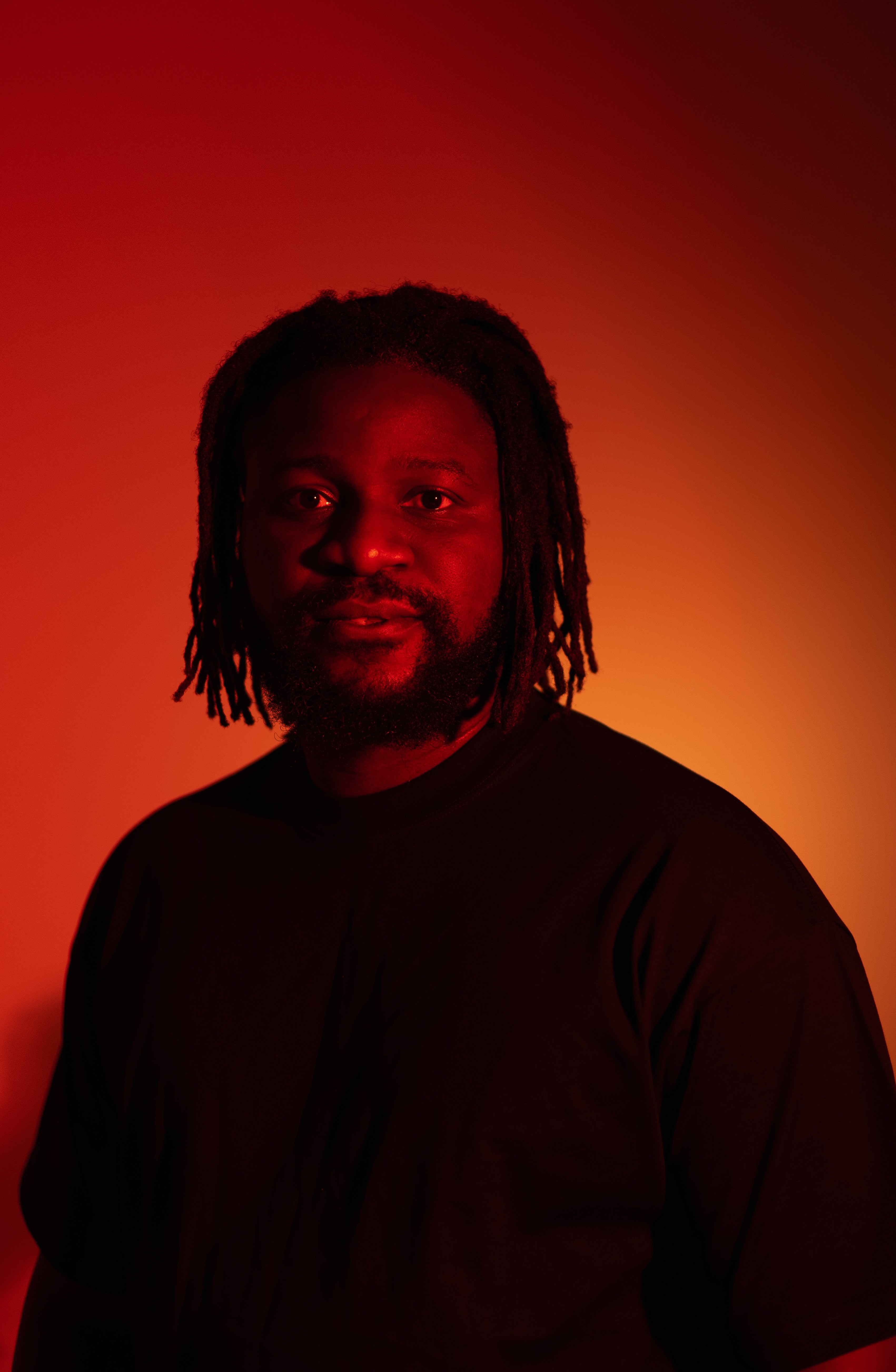
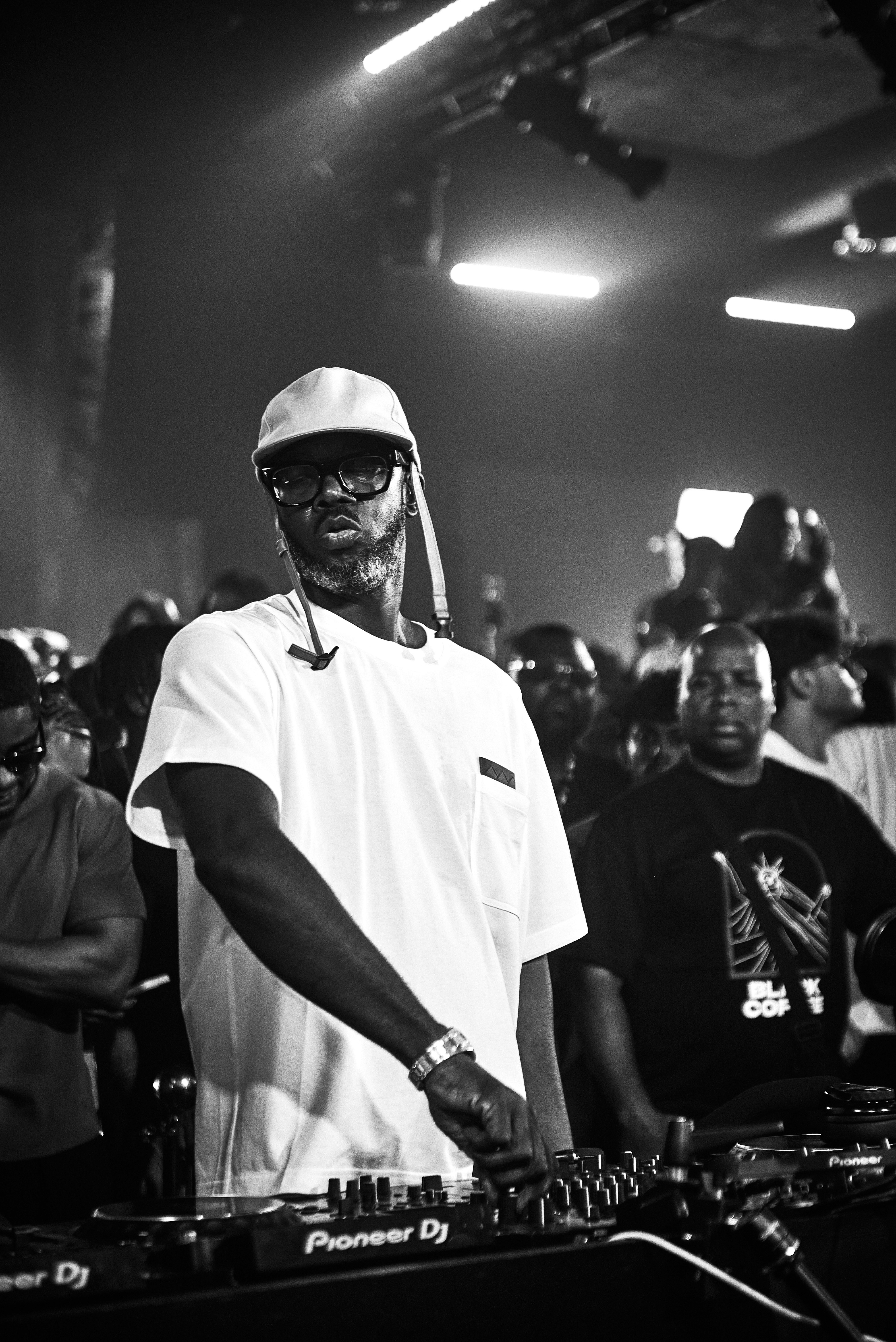
Sunny a.k.a Black Elektronika has been around. Starting his career as a mixing engineer in Italy, he spent years tinkering at the edges of electronic sound. Now, he returns to Nigeria with Ritual.
Jun 4, 2026 - Written by Kufreabasi Eyo
Sunny a.k.a Black Elektronika has been around. Starting his career as a mixing engineer in Italy, he spent years tinkering at the edges of electronic sound. Now, he returns to Nigeria with Ritual.


From the get go, music was a big part of Sunny’s life. By 2009, he was already producing and mixing hip-hop records at Nerolido, a studio just outside Milan. Initially a hobbyist, he pivoted from professional boxing to full-time music making following injuries from a bike accident in 2010. During that time, limited by recovery, he would keep making hip-hop tracks from his home studio until a contradiction caused him to transition to techno. He explained, “With hip-hop, there was a disconnect between the lyrics and the realities of artists’ lives and that just didn’t sit right with me.”
That same year, he released an album that set him firmly on the electronic trajectory. His first booking was to DJ at one of the most respected clubs in Milan and before the set, a promoter had pulled him aside and said, “If you f- up, I’m gonna tell them to boo you.” It was a big deal and it was a Sunday night and the club was at its peak. “I was on the line up, and I killed it and it was up from there.”
By 2011, he was in Berlin, pursuing a music degree and discovering the communities connected by electronic frequencies. As he played events and released tracks, Sunny became increasingly immersed in the underground scene. He reminisced, “The raves were so intentional. The lineup, the venue. When you leave, you’re still thinking about them the next day. Like ‘what just happened’?”
But while Black Elektronika may have built an electronic music career in Europe, Sunny caught the vibrations much earlier.
From the get go, music was a big part of Sunny’s life. By 2009, he was already producing and mixing hip-hop records at Nerolido, a studio just outside Milan. Initially a hobbyist, he pivoted from professional boxing to full-time music making following injuries from a bike accident in 2010. During that time, limited by recovery, he would keep making hip-hop tracks from his home studio until a contradiction caused him to transition to techno. He explained, “With hip-hop, there was a disconnect between the lyrics and the realities of artists’ lives and that just didn’t sit right with me.”
That same year, he released an album that set him firmly on the electronic trajectory. His first booking was to DJ at one of the most respected clubs in Milan and before the set, a promoter had pulled him aside and said, “If you f- up, I’m gonna tell them to boo you.” It was a big deal and it was a Sunday night and the club was at its peak. “I was on the line up, and I killed it and it was up from there.”
By 2011, he was in Berlin, pursuing a music degree and discovering the communities connected by electronic frequencies. As he played events and released tracks, Sunny became increasingly immersed in the underground scene. He reminisced, “The raves were so intentional. The lineup, the venue. When you leave, you’re still thinking about them the next day. Like ‘what just happened’?”
But while Black Elektronika may have built an electronic music career in Europe, Sunny caught the vibrations much earlier.
From the get go, music was a big part of Sunny’s life. By 2009, he was already producing and mixing hip-hop records at Nerolido, a studio just outside Milan. Initially a hobbyist, he pivoted from professional boxing to full-time music making following injuries from a bike accident in 2010. During that time, limited by recovery, he would keep making hip-hop tracks from his home studio until a contradiction caused him to transition to techno. He explained, “With hip-hop, there was a disconnect between the lyrics and the realities of artists’ lives and that just didn’t sit right with me.”
That same year, he released an album that set him firmly on the electronic trajectory. His first booking was to DJ at one of the most respected clubs in Milan and before the set, a promoter had pulled him aside and said, “If you f- up, I’m gonna tell them to boo you.” It was a big deal and it was a Sunday night and the club was at its peak. “I was on the line up, and I killed it and it was up from there.”
By 2011, he was in Berlin, pursuing a music degree and discovering the communities connected by electronic frequencies. As he played events and released tracks, Sunny became increasingly immersed in the underground scene. He reminisced, “The raves were so intentional. The lineup, the venue. When you leave, you’re still thinking about them the next day. Like ‘what just happened’?”
But while Black Elektronika may have built an electronic music career in Europe, Sunny caught the vibrations much earlier.


Born in Lagos, his childhood was soundtracked by local and foreign music from the 80s. He shared, “My dad was a record collector and would play songs I only realized were electronic after I got into the genre.” Among them were tracks from Williams Onyeabor, a pioneering Nigerian musician who blended Afrobeat, highlife, and psychedelic funk with analog synth programming.
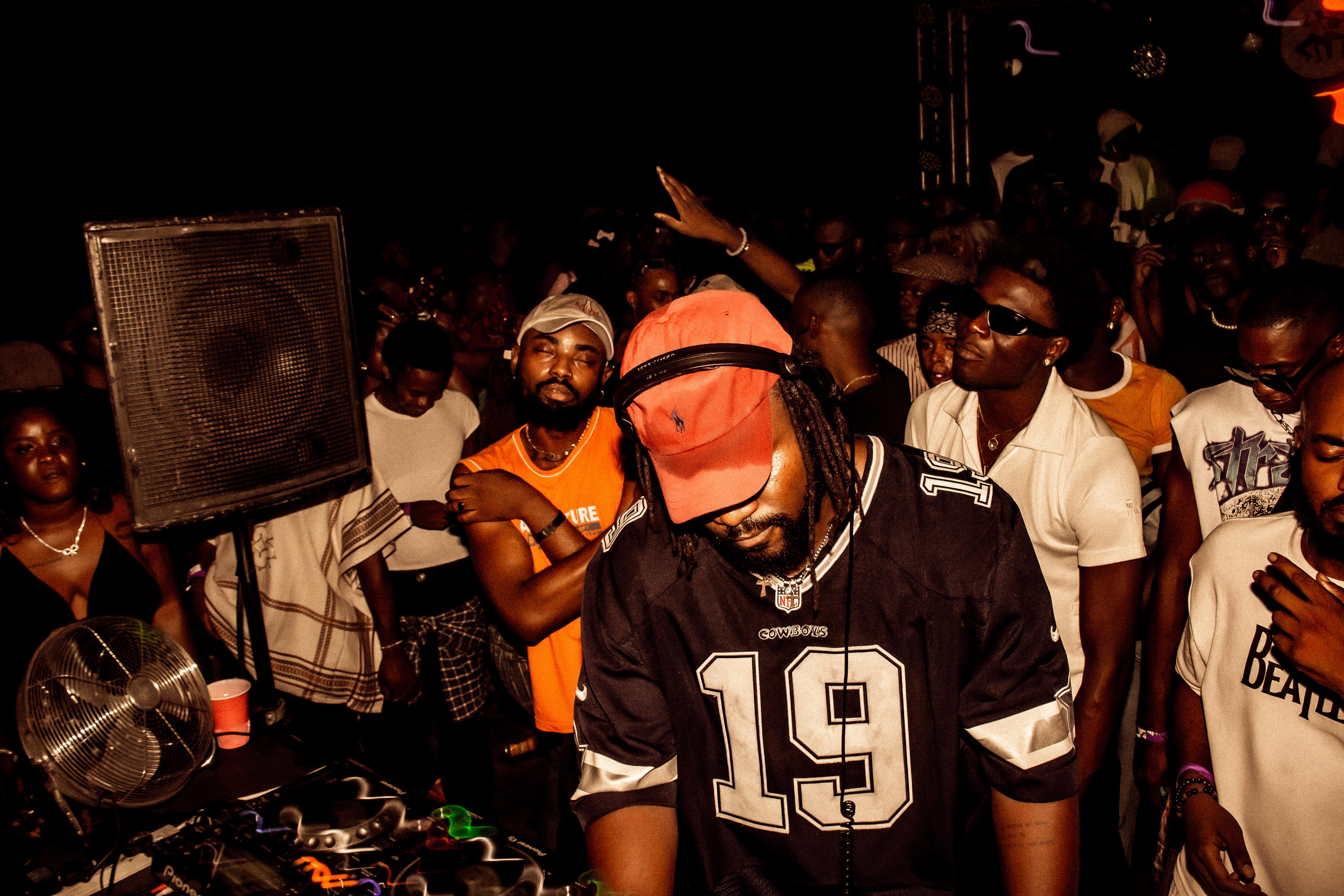
Three years ago, Sunny visited Nigeria and during his stay, he witnessed the fast-growing rave scene and was eager to share his sound. He reached out to House House House’s curator G.rizo who connected him with Sweat It Out’s team. Describing that time, he said, “I met Ebi when I got to Lagos, he took me around, showed me the nightlife and I was so impressed.” But even with the ongoing culture shift, playing techno felt risky as Nigerian dance floors typically moved to a limited selection of auditory options.
Born in Lagos, his childhood was soundtracked by local and foreign music from the 80s. He shared, “My dad was a record collector and would play songs I only realized were electronic after I got into the genre.” Among them were tracks from Williams Onyeabor, a pioneering Nigerian musician who blended Afrobeat, highlife, and psychedelic funk with analog synth programming.
Three years ago, Sunny visited Nigeria and during his stay, he witnessed the fast-growing rave scene and was eager to share his sound. He reached out to House House House’s curator G.rizo who connected him with Sweat It Out’s team. Describing that time, he said, “I met Ebi when I got to Lagos, he took me around, showed me the nightlife and I was so impressed.” But even with the ongoing culture shift, playing techno felt risky as Nigerian dance floors typically moved to a limited selection of auditory options.
Born in Lagos, his childhood was soundtracked by local and foreign music from the 80s. He shared, “My dad was a record collector and would play songs I only realized were electronic after I got into the genre.” Among them were tracks from Williams Onyeabor, a pioneering Nigerian musician who blended Afrobeat, highlife, and psychedelic funk with analog synth programming.
Three years ago, Sunny visited Nigeria and during his stay, he witnessed the fast-growing rave scene and was eager to share his sound. He reached out to House House House’s curator G.rizo who connected him with Sweat It Out’s team. Describing that time, he said, “I met Ebi when I got to Lagos, he took me around, showed me the nightlife and I was so impressed.” But even with the ongoing culture shift, playing techno felt risky as Nigerian dance floors typically moved to a limited selection of auditory options.


Unlike the more familiar rhythms of Afro-house, 3-step, and Gqom, techno has not found widespread adoption in Nigeria. But Sunny is sticking with his MO, “I play dark techno, I play groove, tech house, and even if I reach for an Afro- sound, it’s still going to be like techno.” Remarking on Italian DJ, Yaya Tamango’s reception at Sweat It Out, he said, “If the crowd could dance to someone like him, then I know there is space for me.”
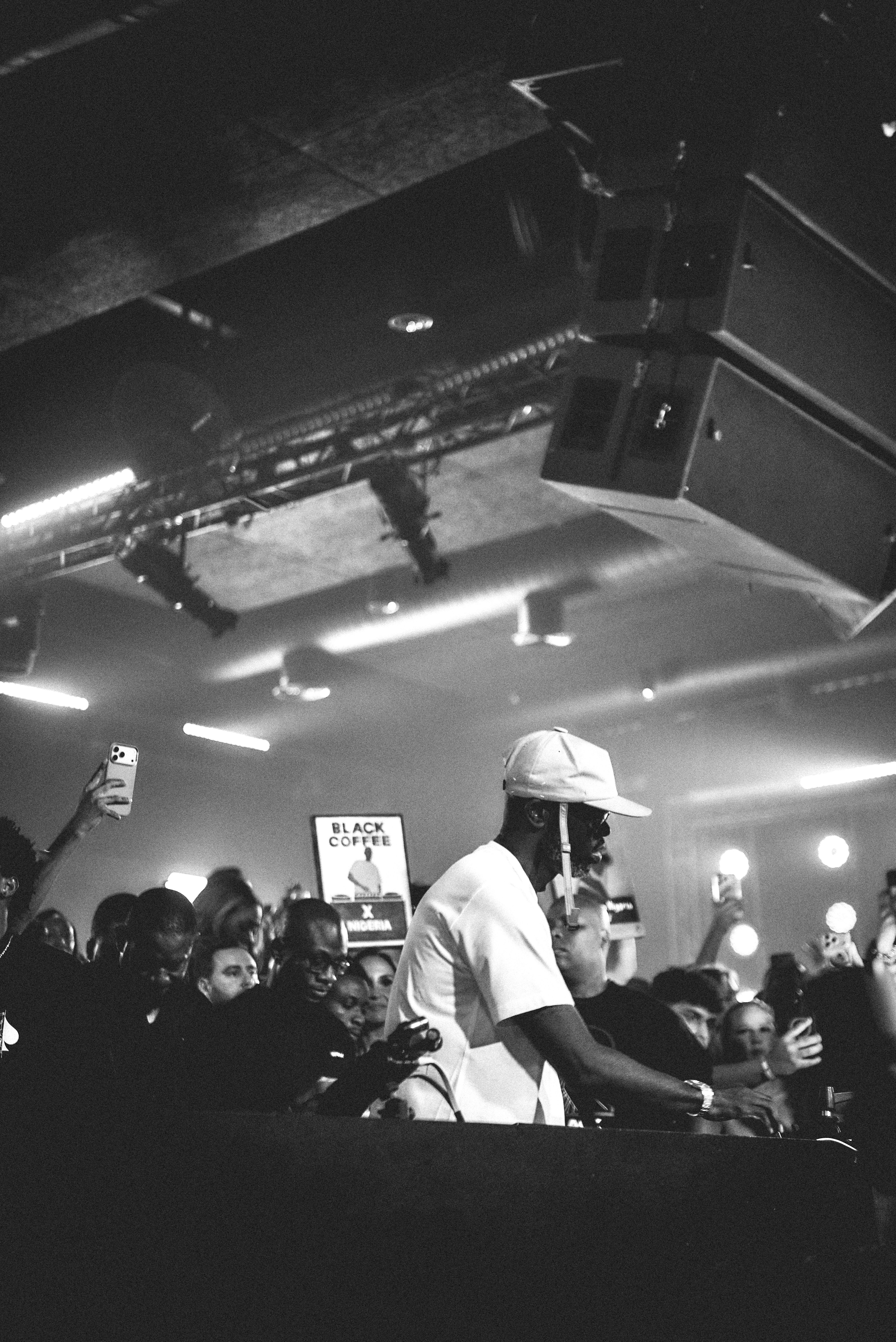
But Sunny does not intend to bring a foreign sound, still in tune with his African roots, it reflects in his music. His inspirations have always been those able to bridge two worlds. He spoke with admiration about pioneering British electronic DJ, Carl Cox, “He is the Godfather. Carl Cox could perform at an event over here and play proper techno and everyone would still dance.”
Unlike the more familiar rhythms of Afro-house, 3-step, and Gqom, techno has not found widespread adoption in Nigeria. But Sunny is sticking with his MO, “I play dark techno, I play groove, tech house, and even if I reach for an Afro- sound, it’s still going to be like techno.” Remarking on Italian DJ, Yaya Tamango’s reception at Sweat It Out, he said, “If the crowd could dance to someone like him, then I know there is space for me.”
But Sunny does not intend to bring a foreign sound, still in tune with his African roots, it reflects in his music. His inspirations have always been those able to bridge two worlds. He spoke with admiration about pioneering British electronic DJ, Carl Cox, “He is the Godfather. Carl Cox could perform at an event over here and play proper techno and everyone would still dance.”
Unlike the more familiar rhythms of Afro-house, 3-step, and Gqom, techno has not found widespread adoption in Nigeria. But Sunny is sticking with his MO, “I play dark techno, I play groove, tech house, and even if I reach for an Afro- sound, it’s still going to be like techno.” Remarking on Italian DJ, Yaya Tamango’s reception at Sweat It Out, he said, “If the crowd could dance to someone like him, then I know there is space for me.”
But Sunny does not intend to bring a foreign sound, still in tune with his African roots, it reflects in his music. His inspirations have always been those able to bridge two worlds. He spoke with admiration about pioneering British electronic DJ, Carl Cox, “He is the Godfather. Carl Cox could perform at an event over here and play proper techno and everyone would still dance.”


Within the Nigerian scene, rave goers are increasingly seeking sound diversity. House House House plays techno in Abuja and In Lagos, there’s Strange House and Dúdú Live. At his Sweat Therapy performance, Sunny discovered that even if hard techno could not immediately sway a crowd, groove could get them dancing, “I was shocked. During my set people rushed back in and the crowd was really going.”
He wants to continue sharing this gospel, this time, through his own pulpit. Slated for the 27th of June at a warehouse in Abuja, Ritual presents a sonic experience that is avant-garde yet familiar. He wants to take what he’s experienced in European raves and tweak it into what resonates locally. With indigenous music and dance elements, the first edition hopes to convert audiences and initiate a ritual.
Within the Nigerian scene, rave goers are increasingly seeking sound diversity. House House House plays techno in Abuja and In Lagos, there’s Strange House and Dúdú Live. At his Sweat Therapy performance, Sunny discovered that even if hard techno could not immediately sway a crowd, groove could get them dancing, “I was shocked. During my set people rushed back in and the crowd was really going.”
He wants to continue sharing this gospel, this time, through his own pulpit. Slated for the 27th of June at a warehouse in Abuja, Ritual presents a sonic experience that is avant-garde yet familiar. He wants to take what he’s experienced in European raves and tweak it into what resonates locally. With indigenous music and dance elements, the first edition hopes to convert audiences and initiate a ritual.
Within the Nigerian scene, rave goers are increasingly seeking sound diversity. House House House plays techno in Abuja and In Lagos, there’s Strange House and Dúdú Live. At his Sweat Therapy performance, Sunny discovered that even if hard techno could not immediately sway a crowd, groove could get them dancing, “I was shocked. During my set people rushed back in and the crowd was really going.”
He wants to continue sharing this gospel, this time, through his own pulpit. Slated for the 27th of June at a warehouse in Abuja, Ritual presents a sonic experience that is avant-garde yet familiar. He wants to take what he’s experienced in European raves and tweak it into what resonates locally. With indigenous music and dance elements, the first edition hopes to convert audiences and initiate a ritual.


Black Noise Mag

Black Noise Mag

Black Noise Mag