" transform="translate(2.266 2.266)" width="17.218780000000002px"/><path d="M 8.156 4.078 C 8.156 5.16 7.727 6.197 6.962 6.962 C 6.197 7.727 5.16 8.156 4.078 8.156 C 2.997 8.156 1.959 7.727 1.194 6.962 C 0.43 6.197 0 5.16 0 4.078 C 0 2.997 0.43 1.959 1.194 1.194 C 1.959 0.43 2.997 0 4.078 0 C 5.16 0 6.197 0.43 6.962 1.194 C 7.727 1.959 8.156 2.997 8.156 4.078 Z" fill="transparent" height="8.15622px" id="O9Ncbsd4H" stroke-dasharray="" stroke-linecap="butt" stroke-linejoin="miter" stroke-miterlimit="10" stroke-width="1.35938" stroke="rgb(31, 31, 31)" transform="translate(6.797 6.797)" width="8.15622px"/><path d="M 0.009 0 L 0 0" fill="transparent" height="1px" id="twDD_I79T" stroke-dasharray="" stroke-linecap="round" stroke-linejoin="round" stroke-width="1.8125" stroke="rgb(31, 31, 31)" transform="translate(15.857 5.891)" width="1px"/></svg>)
" transform="translate(2.719 2.719)" width="16.312450191802977px"/></svg>)
Jun 6, 2026 - Opinion
CULTURE, CONSCIENCE & THE DANCEFLOOR
Should Nigerian Events stop Platforming South African DJs

Jun 6, 2026 - Opinion
CULTURE, CONSCIENCE & THE DANCEFLOOR
Should Nigerian Events stop Platforming South African DJs
Jun 6, 2026 - Written by Olawale Toriola
It can’t be denied that raves in Nigeria have become a sanctuary, a place carefully constructed by the people who pour their time, money and creative vision into making it feel that way and for a few hours the weight of everything outside those walls simply ceases to exist because it is a sanctuary, it holds that kind of trust. The dance floor has never been apolitical even though it has only ever been curated to feel that way. Which is why it is time for us to have an honest conversation about Nigerian Electronic Music Producers and their relationship with South African DJs, and why this writer thinks we should not stop platforming them.
Jun 6, 2026 - Written by Olawale Toriola
It can’t be denied that raves in Nigeria have become a sanctuary, a place carefully constructed by the people who pour their time, money and creative vision into making it feel that way and for a few hours the weight of everything outside those walls simply ceases to exist because it is a sanctuary, it holds that kind of trust. The dance floor has never been apolitical even though it has only ever been curated to feel that way. Which is why it is time for us to have an honest conversation about Nigerian Electronic Music Producers and their relationship with South African DJs, and why this writer thinks we should not stop platforming them.
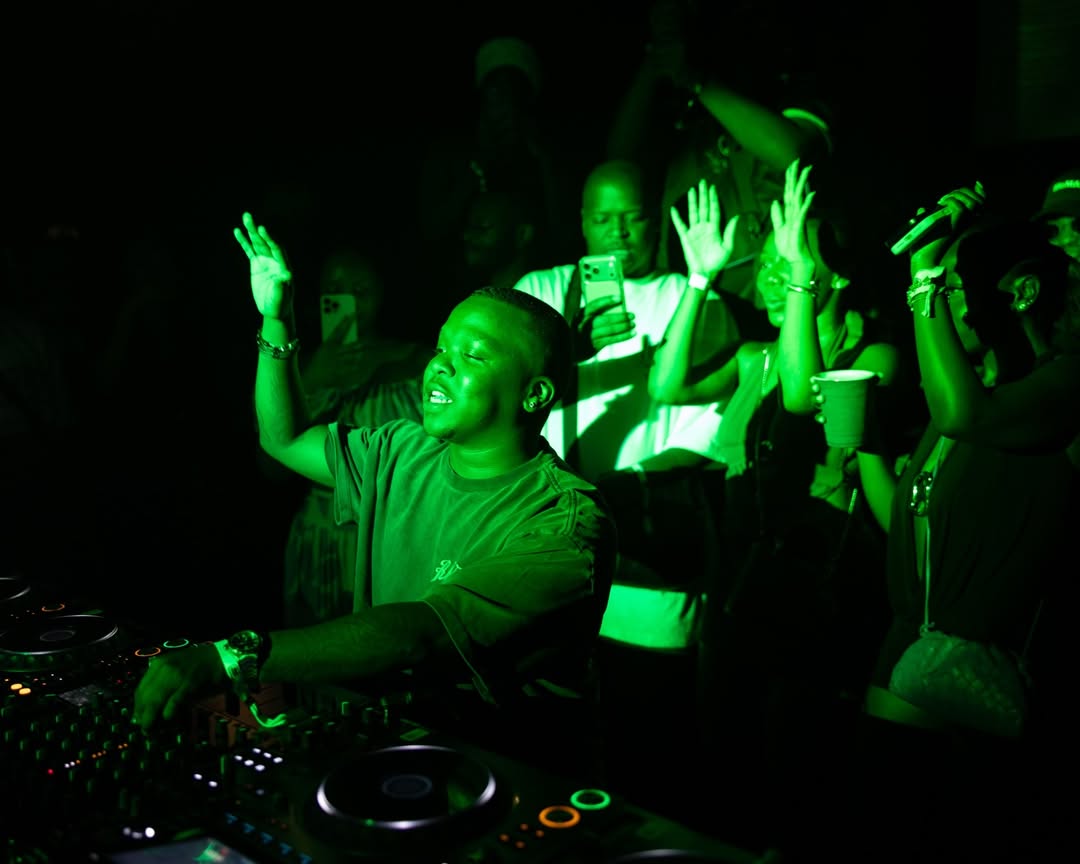
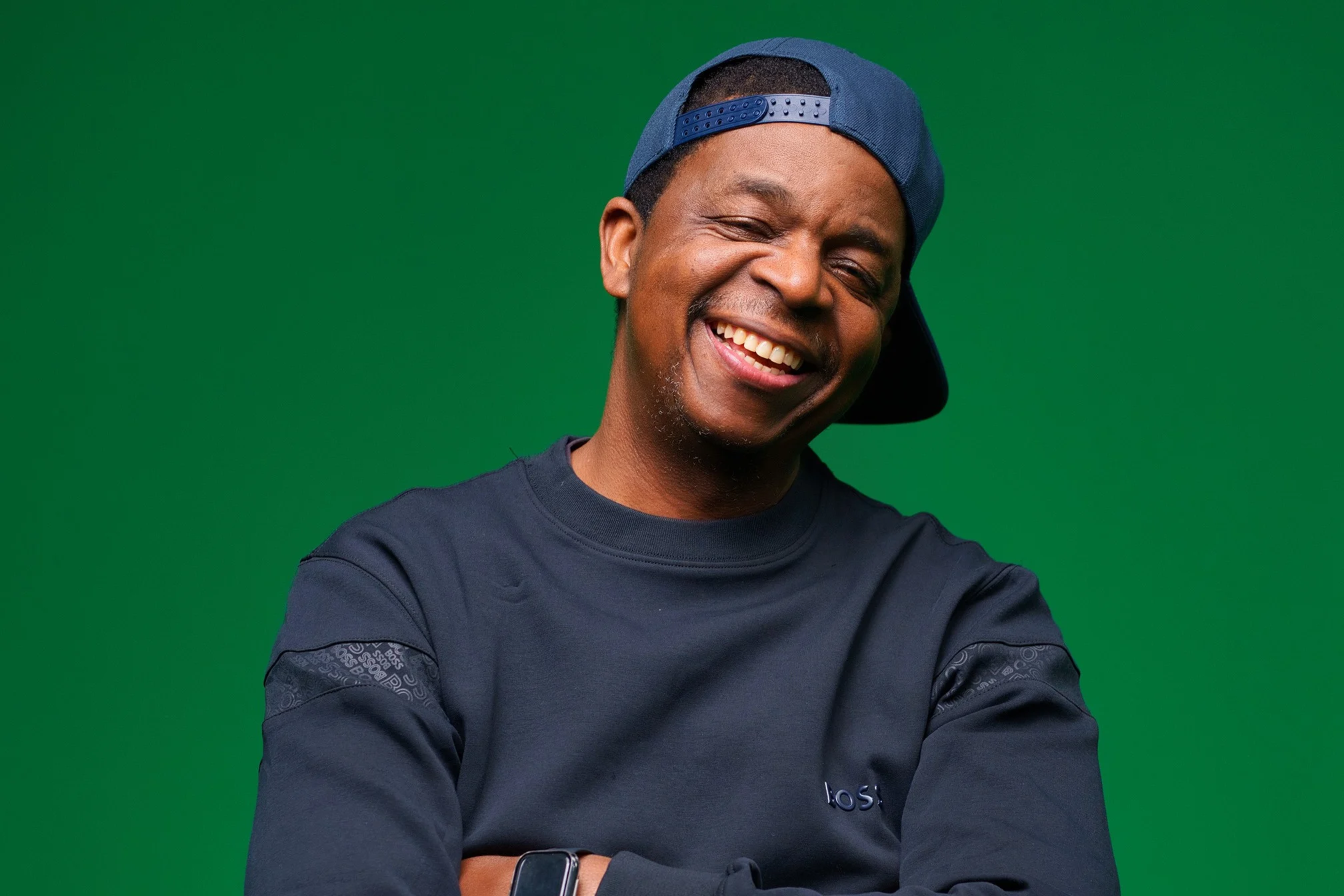
Xenophobic violence against Nigerians in South Africa is not a new phenomenon, nor is it a fringe one. It is a pattern documented, repeated and devastating since before 1994 and has significantly increased since then. Nigerian-owned businesses along with immigrants from different parts of Africa have been looted and burned. Nigerians living and working in South Africa have been attacked, harassed and in some cases killed, the Nigerian community in South Africa says at least 105 Nigerians have been killed in the country since 2019. The South African state, for all its democratic architecture, has repeatedly failed to prosecute perpetrators with any meaningful urgency or consistency and the most their Nigerian counterparts have done is offer victims an opportunity for voluntary return back home. Nigerian migrants who built lives, businesses and communities in South Africa have watched those lives dismantled not by misfortune but by deliberate, targeted violence, violence that has gone largely unanswered at an institutional level. And through all of it, the Nigerian creative industry has continued to send plane tickets.
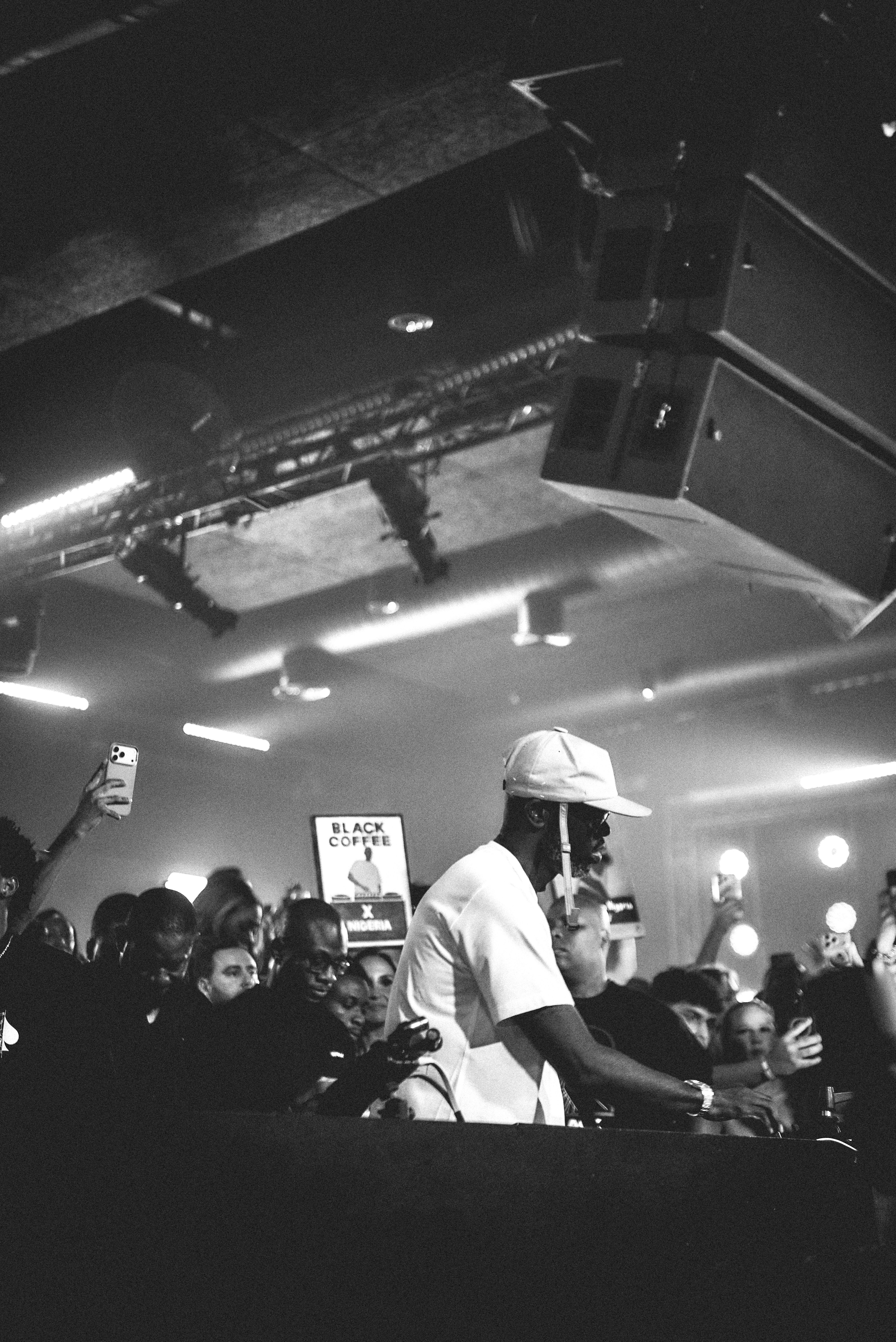
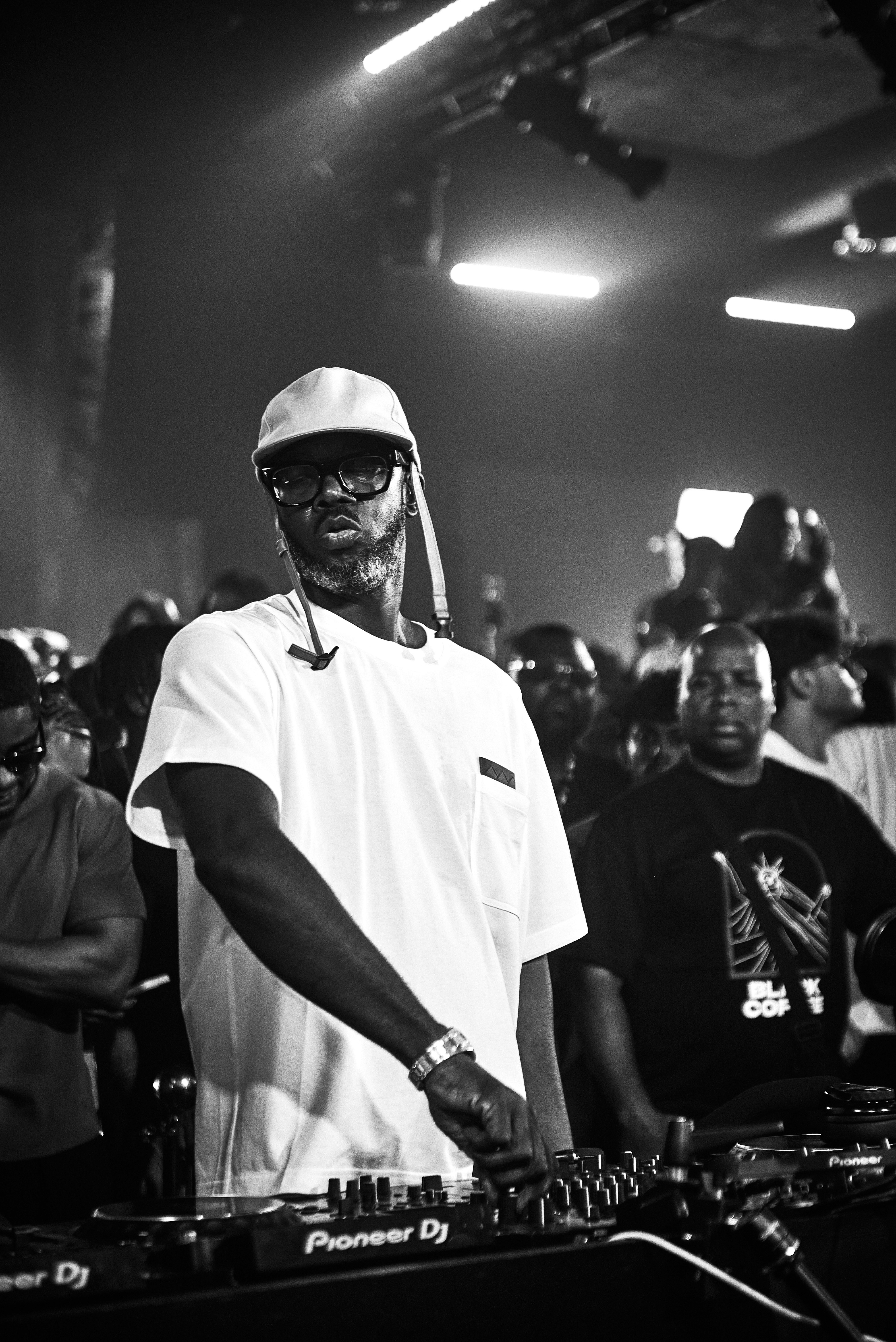
The relationship between Nigerian event producers and the South African DJ circuit has become so normalized it barely registers as a choice anymore, Nigerian event organizers and promoters are key players in expanding the African electronic dance music scene with promoters in major cities like Lagos, Abuja, and Port Harcourt frequently headline top South African talents ranging from global stars like Black Coffee and DJ Maphorisa to Kabza De Small and Uncle Waffles. It simply is what it is — South African DJs, particularly those rooted in Afrohouse, Amapiano and Gqom, draw enormous crowds in Nigeria, these acts bring deep township rhythms and cutting-edge electronic sounds that drive massive club and festival attendance in Nigeria and in exchange, South African artists gain massive streaming spikes from Nigerian fans, cementing their pan-African visibility and drawing large endorsement and event payouts. It is quite evident that the cultural pipeline runs smoothly, and everyone, on both sides, benefits from keeping it open. This is not an accident.
South African electronic music has genuinely shaped the sound and sensibility of Nigerian rave culture over the past decade, beyond the sonic evolution that saw the gradual integration of of South African Electronic sounds into the Nigerian soundscape that happened in different phases from the amapiano boom of the 2020s that featured the fusion of South African Log drums into the fabric of Nigerian Street Pop music with artists like Asake, Davido and Zinoleesky atop of the wave, to the explosion of Cruise and Mara beats dominating local dance floors and emerging underground electronic sounds like 3-Step and Gqom. Artists like Black Coffee, DJ Maphorisa, Oskido and a generation of younger names like Dlala Thakzin, Shimza and Uncle Waffles built a sonic vocabulary that Nigerian dancefloors have come to absorb deeply. The relationship between Nigerian event producers and the South African DJ circuit did not happen by accident. It was built over years of genuine cultural exchange, a shared love of sound, of dance, movement, and of what happens when Afrohouse, Amapiano and Gqom meet a Lagos dancefloor at two in the morning in the middle of a crowded forest somewhere in Ibadan or an abandoned office complex in Ikoyi. That generative exchange in all its realness has expanded what Nigerian rave culture sounds like and what it believes is possible. To sever that exchange that we’ve spent decades building does not weaken xenophobia, rather, it weakens the very bridge that could be used to apply pressure across it.
One thing I’ve noticed is often missing from this conversation is the leverage of cultural exchange, when it is intentional, is one of the most powerful tools of soft power there can be. The type of leverage that works quietly, relationally, at the level of shared experience. When Nigerian and South African artists occupy the same stage, breathe the same air, and communicate to the same audience, something shifts. There is an incremental and genuine micro-level change that when repeated consistently can influence how mass-level change begins. Our answer to this question can’t be to shut the door, it has to sit somewhere around deciding what we let the door stand for.
Xenophobic violence against Nigerians in South Africa is not a new phenomenon, nor is it a fringe one. It is a pattern documented, repeated and devastating since before 1994 and has significantly increased since then. Nigerian-owned businesses along with immigrants from different parts of Africa have been looted and burned. Nigerians living and working in South Africa have been attacked, harassed and in some cases killed, the Nigerian community in South Africa says at least 105 Nigerians have been killed in the country since 2019. The South African state, for all its democratic architecture, has repeatedly failed to prosecute perpetrators with any meaningful urgency or consistency and the most their Nigerian counterparts have done is offer victims an opportunity for voluntary return back home. Nigerian migrants who built lives, businesses and communities in South Africa have watched those lives dismantled not by misfortune but by deliberate, targeted violence, violence that has gone largely unanswered at an institutional level. And through all of it, the Nigerian creative industry has continued to send plane tickets.
The relationship between Nigerian event producers and the South African DJ circuit has become so normalized it barely registers as a choice anymore, Nigerian event organizers and promoters are key players in expanding the African electronic dance music scene with promoters in major cities like Lagos, Abuja, and Port Harcourt frequently headline top South African talents ranging from global stars like Black Coffee and DJ Maphorisa to Kabza De Small and Uncle Waffles. It simply is what it is — South African DJs, particularly those rooted in Afrohouse, Amapiano and Gqom, draw enormous crowds in Nigeria, these acts bring deep township rhythms and cutting-edge electronic sounds that drive massive club and festival attendance in Nigeria and in exchange, South African artists gain massive streaming spikes from Nigerian fans, cementing their pan-African visibility and drawing large endorsement and event payouts. It is quite evident that the cultural pipeline runs smoothly, and everyone, on both sides, benefits from keeping it open. This is not an accident.
South African electronic music has genuinely shaped the sound and sensibility of Nigerian rave culture over the past decade, beyond the sonic evolution that saw the gradual integration of of South African Electronic sounds into the Nigerian soundscape that happened in different phases from the amapiano boom of the 2020s that featured the fusion of South African Log drums into the fabric of Nigerian Street Pop music with artists like Asake, Davido and Zinoleesky atop of the wave, to the explosion of Cruise and Mara beats dominating local dance floors and emerging underground electronic sounds like 3-Step and Gqom. Artists like Black Coffee, DJ Maphorisa, Oskido and a generation of younger names like Dlala Thakzin, Shimza and Uncle Waffles built a sonic vocabulary that Nigerian dancefloors have come to absorb deeply. The relationship between Nigerian event producers and the South African DJ circuit did not happen by accident. It was built over years of genuine cultural exchange, a shared love of sound, of dance, movement, and of what happens when Afrohouse, Amapiano and Gqom meet a Lagos dancefloor at two in the morning in the middle of a crowded forest somewhere in Ibadan or an abandoned office complex in Ikoyi. That generative exchange in all its realness has expanded what Nigerian rave culture sounds like and what it believes is possible. To sever that exchange that we’ve spent decades building does not weaken xenophobia, rather, it weakens the very bridge that could be used to apply pressure across it.
One thing I’ve noticed is often missing from this conversation is the leverage of cultural exchange, when it is intentional, is one of the most powerful tools of soft power there can be. The type of leverage that works quietly, relationally, at the level of shared experience. When Nigerian and South African artists occupy the same stage, breathe the same air, and communicate to the same audience, something shifts. There is an incremental and genuine micro-level change that when repeated consistently can influence how mass-level change begins. Our answer to this question can’t be to shut the door, it has to sit somewhere around deciding what we let the door stand for.
Xenophobic violence against Nigerians in South Africa is not a new phenomenon, nor is it a fringe one. It is a pattern documented, repeated and devastating since before 1994 and has significantly increased since then. Nigerian-owned businesses along with immigrants from different parts of Africa have been looted and burned. Nigerians living and working in South Africa have been attacked, harassed and in some cases killed, the Nigerian community in South Africa says at least 105 Nigerians have been killed in the country since 2019. The South African state, for all its democratic architecture, has repeatedly failed to prosecute perpetrators with any meaningful urgency or consistency and the most their Nigerian counterparts have done is offer victims an opportunity for voluntary return back home. Nigerian migrants who built lives, businesses and communities in South Africa have watched those lives dismantled not by misfortune but by deliberate, targeted violence, violence that has gone largely unanswered at an institutional level. And through all of it, the Nigerian creative industry has continued to send plane tickets.
The relationship between Nigerian event producers and the South African DJ circuit has become so normalized it barely registers as a choice anymore, Nigerian event organizers and promoters are key players in expanding the African electronic dance music scene with promoters in major cities like Lagos, Abuja, and Port Harcourt frequently headline top South African talents ranging from global stars like Black Coffee and DJ Maphorisa to Kabza De Small and Uncle Waffles. It simply is what it is — South African DJs, particularly those rooted in Afrohouse, Amapiano and Gqom, draw enormous crowds in Nigeria, these acts bring deep township rhythms and cutting-edge electronic sounds that drive massive club and festival attendance in Nigeria and in exchange, South African artists gain massive streaming spikes from Nigerian fans, cementing their pan-African visibility and drawing large endorsement and event payouts. It is quite evident that the cultural pipeline runs smoothly, and everyone, on both sides, benefits from keeping it open. This is not an accident.
South African electronic music has genuinely shaped the sound and sensibility of Nigerian rave culture over the past decade, beyond the sonic evolution that saw the gradual integration of of South African Electronic sounds into the Nigerian soundscape that happened in different phases from the amapiano boom of the 2020s that featured the fusion of South African Log drums into the fabric of Nigerian Street Pop music with artists like Asake, Davido and Zinoleesky atop of the wave, to the explosion of Cruise and Mara beats dominating local dance floors and emerging underground electronic sounds like 3-Step and Gqom. Artists like Black Coffee, DJ Maphorisa, Oskido and a generation of younger names like Dlala Thakzin, Shimza and Uncle Waffles built a sonic vocabulary that Nigerian dancefloors have come to absorb deeply. The relationship between Nigerian event producers and the South African DJ circuit did not happen by accident. It was built over years of genuine cultural exchange, a shared love of sound, of dance, movement, and of what happens when Afrohouse, Amapiano and Gqom meet a Lagos dancefloor at two in the morning in the middle of a crowded forest somewhere in Ibadan or an abandoned office complex in Ikoyi. That generative exchange in all its realness has expanded what Nigerian rave culture sounds like and what it believes is possible. To sever that exchange that we’ve spent decades building does not weaken xenophobia, rather, it weakens the very bridge that could be used to apply pressure across it.
One thing I’ve noticed is often missing from this conversation is the leverage of cultural exchange, when it is intentional, is one of the most powerful tools of soft power there can be. The type of leverage that works quietly, relationally, at the level of shared experience. When Nigerian and South African artists occupy the same stage, breathe the same air, and communicate to the same audience, something shifts. There is an incremental and genuine micro-level change that when repeated consistently can influence how mass-level change begins. Our answer to this question can’t be to shut the door, it has to sit somewhere around deciding what we let the door stand for.
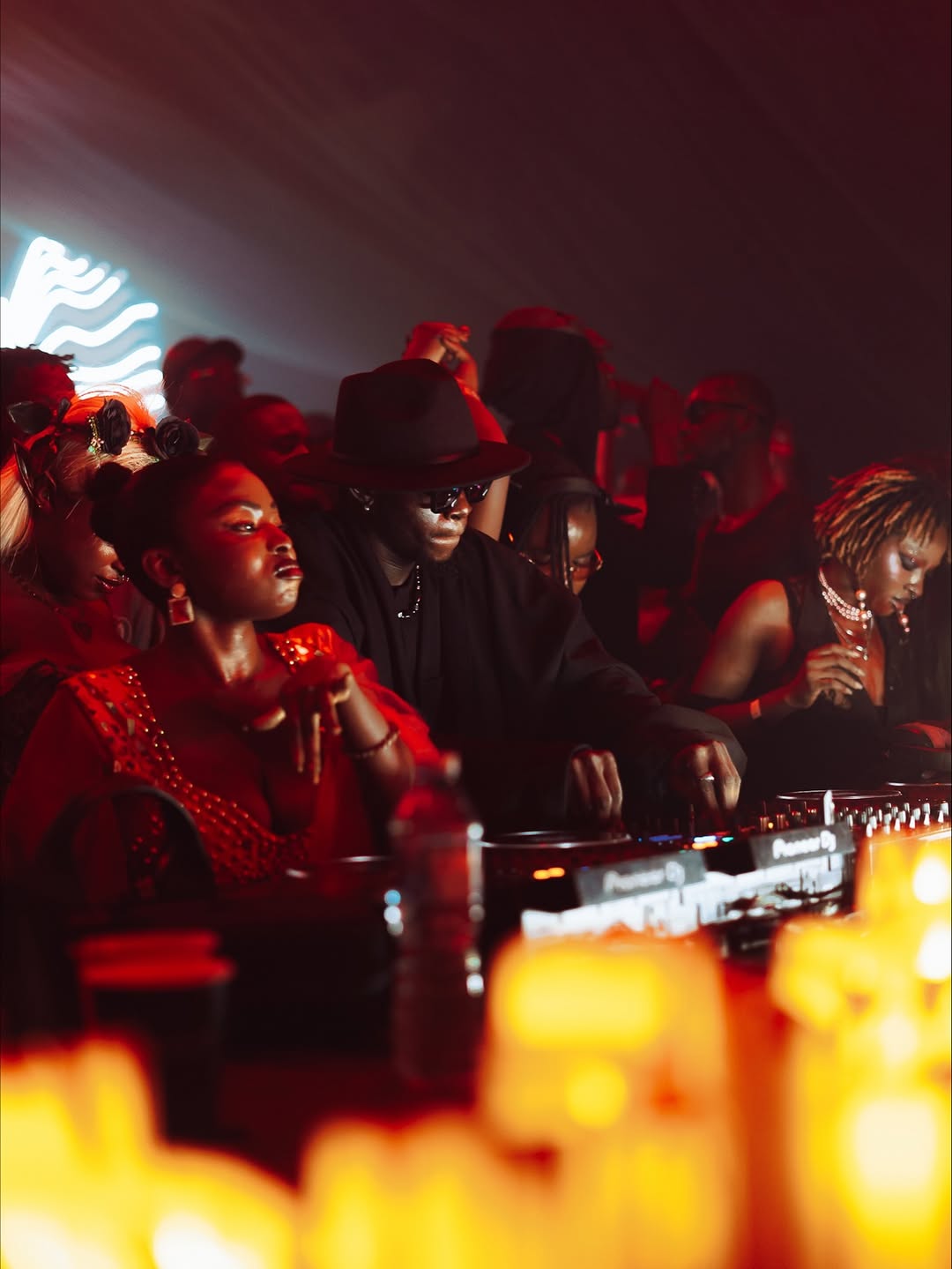
Recently, when the discourse erupted online, a familiar pattern followed, this time Monochroma, a popular Lagos-based electronic dance music brand, was its subject. A post on X from the brand’s handle announcing Oskido as the headliner of their latest edition started to receive public pressure, accusations of complicity and demands for accountability with netizens calling for boycotts. For the most part, the logic was straightforward if blunt: if you platform them, you endorse the silence around what is happening to us.
However, as one voice in the conversation pointed out, this reasoning has a structural flaw at its core, collective responsibility is the same logic that fans the flames of xenophobia itself, the idea that belonging to a group makes you answerable for what that group does or fails to do. Applying that logic to South African DJs does not dismantle the injustice. It outrightly mirrors the oppression and injustice and more practically, it misreads the situation on the ground. Oskido, for instance whose name caused the eruption of this discourse is a foundational figure in South African electronic music, but he is himself an immigrant who is deeply tied to discussions around xenophobia because of his own background as an immigrant and his longstanding anti-xenophobic music. Born to a Zimbabwean father, Oskido grew up in Zimbabwe before moving to South Africa where he built an empire, changing the face of South African youth culture and music and thanks to his immense success, his background has frequently been a topic of public discussion and media scrutiny regarding the integration of foreigners into South Africa. Early in his career during the 1990s, his musical group, Brothers of Peace (B.O.P.), produced a kwaito classic titled "Makwerekwere". A track that actively discouraged xenophobia and discrimination against foreign nationals in South Africa, using his platform to promote unity across the African continent. DJ Maphorisa is another one of the most recognizable names in the South African DJ circuit, one whose presence on a Nigerian flyer draws enormous crowds, he is the son of a South African mother and a Nigerian father. He has been instrumental in merging the South African Amapiano sound with Nigerian Afrobeats, working closely with artists like Wizkid and Burna Boy and has also participated in high-profile events like the "#AfricansUnite" concert, which was specifically organized to promote continental harmony and stand against xenophobic violence in South Africa. It will be unfair to qualify such a figure as a detached outsider to this reality. These are not people who need to be educated about what displacement and exclusion feel like. They are people whose own lives are threaded through the very tensions this conversation is trying to address. Hence, making the witch-hunt in this context, not just strategically weak but factually careless.
Recently, when the discourse erupted online, a familiar pattern followed, this time Monochroma, a popular Lagos-based electronic dance music brand, was its subject. A post on X from the brand’s handle announcing Oskido as the headliner of their latest edition started to receive public pressure, accusations of complicity and demands for accountability with netizens calling for boycotts. For the most part, the logic was straightforward if blunt: if you platform them, you endorse the silence around what is happening to us.
However, as one voice in the conversation pointed out, this reasoning has a structural flaw at its core, collective responsibility is the same logic that fans the flames of xenophobia itself, the idea that belonging to a group makes you answerable for what that group does or fails to do. Applying that logic to South African DJs does not dismantle the injustice. It outrightly mirrors the oppression and injustice and more practically, it misreads the situation on the ground. Oskido, for instance whose name caused the eruption of this discourse is a foundational figure in South African electronic music, but he is himself an immigrant who is deeply tied to discussions around xenophobia because of his own background as an immigrant and his longstanding anti-xenophobic music. Born to a Zimbabwean father, Oskido grew up in Zimbabwe before moving to South Africa where he built an empire, changing the face of South African youth culture and music and thanks to his immense success, his background has frequently been a topic of public discussion and media scrutiny regarding the integration of foreigners into South Africa. Early in his career during the 1990s, his musical group, Brothers of Peace (B.O.P.), produced a kwaito classic titled "Makwerekwere". A track that actively discouraged xenophobia and discrimination against foreign nationals in South Africa, using his platform to promote unity across the African continent. DJ Maphorisa is another one of the most recognizable names in the South African DJ circuit, one whose presence on a Nigerian flyer draws enormous crowds, he is the son of a South African mother and a Nigerian father. He has been instrumental in merging the South African Amapiano sound with Nigerian Afrobeats, working closely with artists like Wizkid and Burna Boy and has also participated in high-profile events like the "#AfricansUnite" concert, which was specifically organized to promote continental harmony and stand against xenophobic violence in South Africa. It will be unfair to qualify such a figure as a detached outsider to this reality. These are not people who need to be educated about what displacement and exclusion feel like. They are people whose own lives are threaded through the very tensions this conversation is trying to address. Hence, making the witch-hunt in this context, not just strategically weak but factually careless.
Recently, when the discourse erupted online, a familiar pattern followed, this time Monochroma, a popular Lagos-based electronic dance music brand, was its subject. A post on X from the brand’s handle announcing Oskido as the headliner of their latest edition started to receive public pressure, accusations of complicity and demands for accountability with netizens calling for boycotts. For the most part, the logic was straightforward if blunt: if you platform them, you endorse the silence around what is happening to us.
However, as one voice in the conversation pointed out, this reasoning has a structural flaw at its core, collective responsibility is the same logic that fans the flames of xenophobia itself, the idea that belonging to a group makes you answerable for what that group does or fails to do. Applying that logic to South African DJs does not dismantle the injustice. It outrightly mirrors the oppression and injustice and more practically, it misreads the situation on the ground. Oskido, for instance whose name caused the eruption of this discourse is a foundational figure in South African electronic music, but he is himself an immigrant who is deeply tied to discussions around xenophobia because of his own background as an immigrant and his longstanding anti-xenophobic music. Born to a Zimbabwean father, Oskido grew up in Zimbabwe before moving to South Africa where he built an empire, changing the face of South African youth culture and music and thanks to his immense success, his background has frequently been a topic of public discussion and media scrutiny regarding the integration of foreigners into South Africa. Early in his career during the 1990s, his musical group, Brothers of Peace (B.O.P.), produced a kwaito classic titled "Makwerekwere". A track that actively discouraged xenophobia and discrimination against foreign nationals in South Africa, using his platform to promote unity across the African continent. DJ Maphorisa is another one of the most recognizable names in the South African DJ circuit, one whose presence on a Nigerian flyer draws enormous crowds, he is the son of a South African mother and a Nigerian father. He has been instrumental in merging the South African Amapiano sound with Nigerian Afrobeats, working closely with artists like Wizkid and Burna Boy and has also participated in high-profile events like the "#AfricansUnite" concert, which was specifically organized to promote continental harmony and stand against xenophobic violence in South Africa. It will be unfair to qualify such a figure as a detached outsider to this reality. These are not people who need to be educated about what displacement and exclusion feel like. They are people whose own lives are threaded through the very tensions this conversation is trying to address. Hence, making the witch-hunt in this context, not just strategically weak but factually careless.
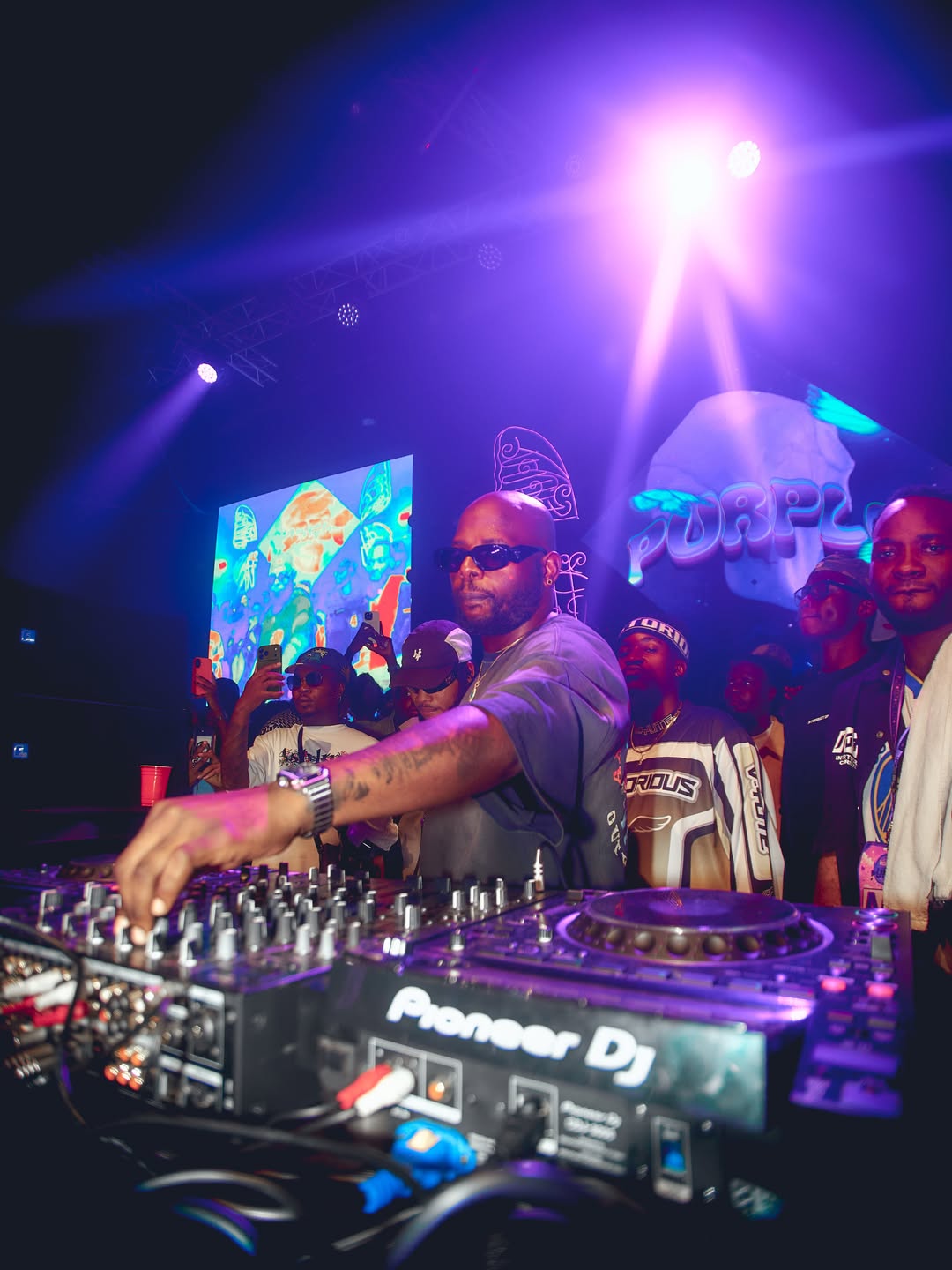
This writer is an ardent believer in the power of creativity as a political tool, and part of that belief is acknowledging that a platform is not a neutral entity; it is power, reach, and the ability to shape what a community sees, hears, and believes is important. Nigerian event producers who have built audiences of tens of thousands, who have created cultural spaces that people genuinely trust, who have demonstrated again and again that they understand the relationship between space and meaning — these producers have leverage. Real, tangible, exercisable leverage. And too many of them have been passive with it. When xenophobic violence flares and a platform says nothing — books the next flight, posts the next flyer, runs the next event without a word about what is happening to Nigerians in South Africa, that silence communicates an underlying message that the culture inside these walls is insulated from the suffering outside them. It says that the community’s pain does not interrupt the programming. It says, functionally if not intentionally, that business continues as usual, and that in itself is a political statement; it just happens to be one that nobody is owning. Having said that, we also have to face the truth that leverage is a complicated thing to hold, especially when the people you serve are already carrying so much. The reason Nigerians show up the way they do, buy tickets, travel interstate against the backdrop of insecurity for experiences and stay until the sun comes up before they depart back to their respective lives is not just about the music, it’s about what the music and experience makes possible for them – those few hours of existing outside the noise, outside the news cycle, outside the particular exhaustion of being a Nigerian living in Nigeria right now. The insulation that these platforms provide is not incidental to their value. In many ways, it is the entire point, the dance floor becomes an avenue to realize catharsis. So when we ask these platforms to speak, to interrupt the programming with the political, to bring the outside world in, we have to learn to hold that ask with some tenderness. For some of them, their silence might be a desire to protect the one space where the community gets to simply breathe, to dance and do nothing else but be. While the tension between these extremes is real, neither of them serves the people who have placed their trust in these spaces. What is now needed is not a choice between sanctuary and conscience, but the difficult, necessary work of holding both at once. The advocacy here is not a boycott, nor is it the consideration of a blacklist. It is a call out for Nigerian event producers to use their platforms intentionally, their social media reach, their stage time, and their cultural credibility. It is a call out to be vocally, explicitly, and unambiguously clear about where they stand on xenophobic violence against Nigerians. Not as a footnote but as a real, sustained, visible commitment that the community can see and hold them to.
The history of culture as a tool of political pressure is long and instructive. From the international boycotts of apartheid-era South Africa — again, the very country at the center of this conversation — to the role of music in the Civil Rights movement, to artists who have used their platforms to demand accountability from governments and institutions, the creative community has always had the capacity to shape public consciousness and apply social pressure in ways that legislation and diplomacy cannot always reach. Nigerian event producers sit inside that tradition whether they claim it or not. The platforms they have built are not just entertainment infrastructure, they are cultural institutions that shape taste, community, identity, and, when used with intention, political will. The answer is not less exchange; it should be more nuanced to reflect an intentional exchange that involves not shutting South African DJs out, but inviting them in with full consciousness of what that invitation means and what it can demand in return. The answer is Nigerian platforms being loud and unambiguous about where they stand, so that every event, every lineup, every flyer becomes not just a cultural offering but a political statement the community can stand behind. Honestly, this feels like a big ask, but the truth is if you have a platform, you have leverage. The only question that remains is whether you are willing to use it — openly, intentionally and without apology.
This writer is an ardent believer in the power of creativity as a political tool, and part of that belief is acknowledging that a platform is not a neutral entity; it is power, reach, and the ability to shape what a community sees, hears, and believes is important. Nigerian event producers who have built audiences of tens of thousands, who have created cultural spaces that people genuinely trust, who have demonstrated again and again that they understand the relationship between space and meaning — these producers have leverage. Real, tangible, exercisable leverage. And too many of them have been passive with it. When xenophobic violence flares and a platform says nothing — books the next flight, posts the next flyer, runs the next event without a word about what is happening to Nigerians in South Africa, that silence communicates an underlying message that the culture inside these walls is insulated from the suffering outside them. It says that the community’s pain does not interrupt the programming. It says, functionally if not intentionally, that business continues as usual, and that in itself is a political statement; it just happens to be one that nobody is owning. Having said that, we also have to face the truth that leverage is a complicated thing to hold, especially when the people you serve are already carrying so much. The reason Nigerians show up the way they do, buy tickets, travel interstate against the backdrop of insecurity for experiences and stay until the sun comes up before they depart back to their respective lives is not just about the music, it’s about what the music and experience makes possible for them – those few hours of existing outside the noise, outside the news cycle, outside the particular exhaustion of being a Nigerian living in Nigeria right now. The insulation that these platforms provide is not incidental to their value. In many ways, it is the entire point, the dance floor becomes an avenue to realize catharsis. So when we ask these platforms to speak, to interrupt the programming with the political, to bring the outside world in, we have to learn to hold that ask with some tenderness. For some of them, their silence might be a desire to protect the one space where the community gets to simply breathe, to dance and do nothing else but be. While the tension between these extremes is real, neither of them serves the people who have placed their trust in these spaces. What is now needed is not a choice between sanctuary and conscience, but the difficult, necessary work of holding both at once. The advocacy here is not a boycott, nor is it the consideration of a blacklist. It is a call out for Nigerian event producers to use their platforms intentionally, their social media reach, their stage time, and their cultural credibility. It is a call out to be vocally, explicitly, and unambiguously clear about where they stand on xenophobic violence against Nigerians. Not as a footnote but as a real, sustained, visible commitment that the community can see and hold them to.
The history of culture as a tool of political pressure is long and instructive. From the international boycotts of apartheid-era South Africa — again, the very country at the center of this conversation — to the role of music in the Civil Rights movement, to artists who have used their platforms to demand accountability from governments and institutions, the creative community has always had the capacity to shape public consciousness and apply social pressure in ways that legislation and diplomacy cannot always reach. Nigerian event producers sit inside that tradition whether they claim it or not. The platforms they have built are not just entertainment infrastructure, they are cultural institutions that shape taste, community, identity, and, when used with intention, political will. The answer is not less exchange; it should be more nuanced to reflect an intentional exchange that involves not shutting South African DJs out, but inviting them in with full consciousness of what that invitation means and what it can demand in return. The answer is Nigerian platforms being loud and unambiguous about where they stand, so that every event, every lineup, every flyer becomes not just a cultural offering but a political statement the community can stand behind. Honestly, this feels like a big ask, but the truth is if you have a platform, you have leverage. The only question that remains is whether you are willing to use it — openly, intentionally and without apology.
This writer is an ardent believer in the power of creativity as a political tool, and part of that belief is acknowledging that a platform is not a neutral entity; it is power, reach, and the ability to shape what a community sees, hears, and believes is important. Nigerian event producers who have built audiences of tens of thousands, who have created cultural spaces that people genuinely trust, who have demonstrated again and again that they understand the relationship between space and meaning — these producers have leverage. Real, tangible, exercisable leverage. And too many of them have been passive with it. When xenophobic violence flares and a platform says nothing — books the next flight, posts the next flyer, runs the next event without a word about what is happening to Nigerians in South Africa, that silence communicates an underlying message that the culture inside these walls is insulated from the suffering outside them. It says that the community’s pain does not interrupt the programming. It says, functionally if not intentionally, that business continues as usual, and that in itself is a political statement; it just happens to be one that nobody is owning. Having said that, we also have to face the truth that leverage is a complicated thing to hold, especially when the people you serve are already carrying so much. The reason Nigerians show up the way they do, buy tickets, travel interstate against the backdrop of insecurity for experiences and stay until the sun comes up before they depart back to their respective lives is not just about the music, it’s about what the music and experience makes possible for them – those few hours of existing outside the noise, outside the news cycle, outside the particular exhaustion of being a Nigerian living in Nigeria right now. The insulation that these platforms provide is not incidental to their value. In many ways, it is the entire point, the dance floor becomes an avenue to realize catharsis. So when we ask these platforms to speak, to interrupt the programming with the political, to bring the outside world in, we have to learn to hold that ask with some tenderness. For some of them, their silence might be a desire to protect the one space where the community gets to simply breathe, to dance and do nothing else but be. While the tension between these extremes is real, neither of them serves the people who have placed their trust in these spaces. What is now needed is not a choice between sanctuary and conscience, but the difficult, necessary work of holding both at once. The advocacy here is not a boycott, nor is it the consideration of a blacklist. It is a call out for Nigerian event producers to use their platforms intentionally, their social media reach, their stage time, and their cultural credibility. It is a call out to be vocally, explicitly, and unambiguously clear about where they stand on xenophobic violence against Nigerians. Not as a footnote but as a real, sustained, visible commitment that the community can see and hold them to.
The history of culture as a tool of political pressure is long and instructive. From the international boycotts of apartheid-era South Africa — again, the very country at the center of this conversation — to the role of music in the Civil Rights movement, to artists who have used their platforms to demand accountability from governments and institutions, the creative community has always had the capacity to shape public consciousness and apply social pressure in ways that legislation and diplomacy cannot always reach. Nigerian event producers sit inside that tradition whether they claim it or not. The platforms they have built are not just entertainment infrastructure, they are cultural institutions that shape taste, community, identity, and, when used with intention, political will. The answer is not less exchange; it should be more nuanced to reflect an intentional exchange that involves not shutting South African DJs out, but inviting them in with full consciousness of what that invitation means and what it can demand in return. The answer is Nigerian platforms being loud and unambiguous about where they stand, so that every event, every lineup, every flyer becomes not just a cultural offering but a political statement the community can stand behind. Honestly, this feels like a big ask, but the truth is if you have a platform, you have leverage. The only question that remains is whether you are willing to use it — openly, intentionally and without apology.

Black Noise Mag
Black Noise Mag
Black Noise Mag