" transform="translate(2.266 2.266)" width="17.218780000000002px"/><path d="M 8.156 4.078 C 8.156 5.16 7.727 6.197 6.962 6.962 C 6.197 7.727 5.16 8.156 4.078 8.156 C 2.997 8.156 1.959 7.727 1.194 6.962 C 0.43 6.197 0 5.16 0 4.078 C 0 2.997 0.43 1.959 1.194 1.194 C 1.959 0.43 2.997 0 4.078 0 C 5.16 0 6.197 0.43 6.962 1.194 C 7.727 1.959 8.156 2.997 8.156 4.078 Z" fill="transparent" height="8.15622px" id="O9Ncbsd4H" stroke-dasharray="" stroke-linecap="butt" stroke-linejoin="miter" stroke-miterlimit="10" stroke-width="1.35938" stroke="rgb(31, 31, 31)" transform="translate(6.797 6.797)" width="8.15622px"/><path d="M 0.009 0 L 0 0" fill="transparent" height="1px" id="twDD_I79T" stroke-dasharray="" stroke-linecap="round" stroke-linejoin="round" stroke-width="1.8125" stroke="rgb(31, 31, 31)" transform="translate(15.857 5.891)" width="1px"/></svg>)
" transform="translate(2.719 2.719)" width="16.312450191802977px"/></svg>)
Apr 24, 2026 - Events
HOUSE OF ASSEMBLY WAS A DECLARATION
Apr 24, 2026 - Events
HOUSE OF ASSEMBLY WAS A DECLARATION
Apr 24, 2025 - Written by Black noise magazine
House of Assembly was a declaration.
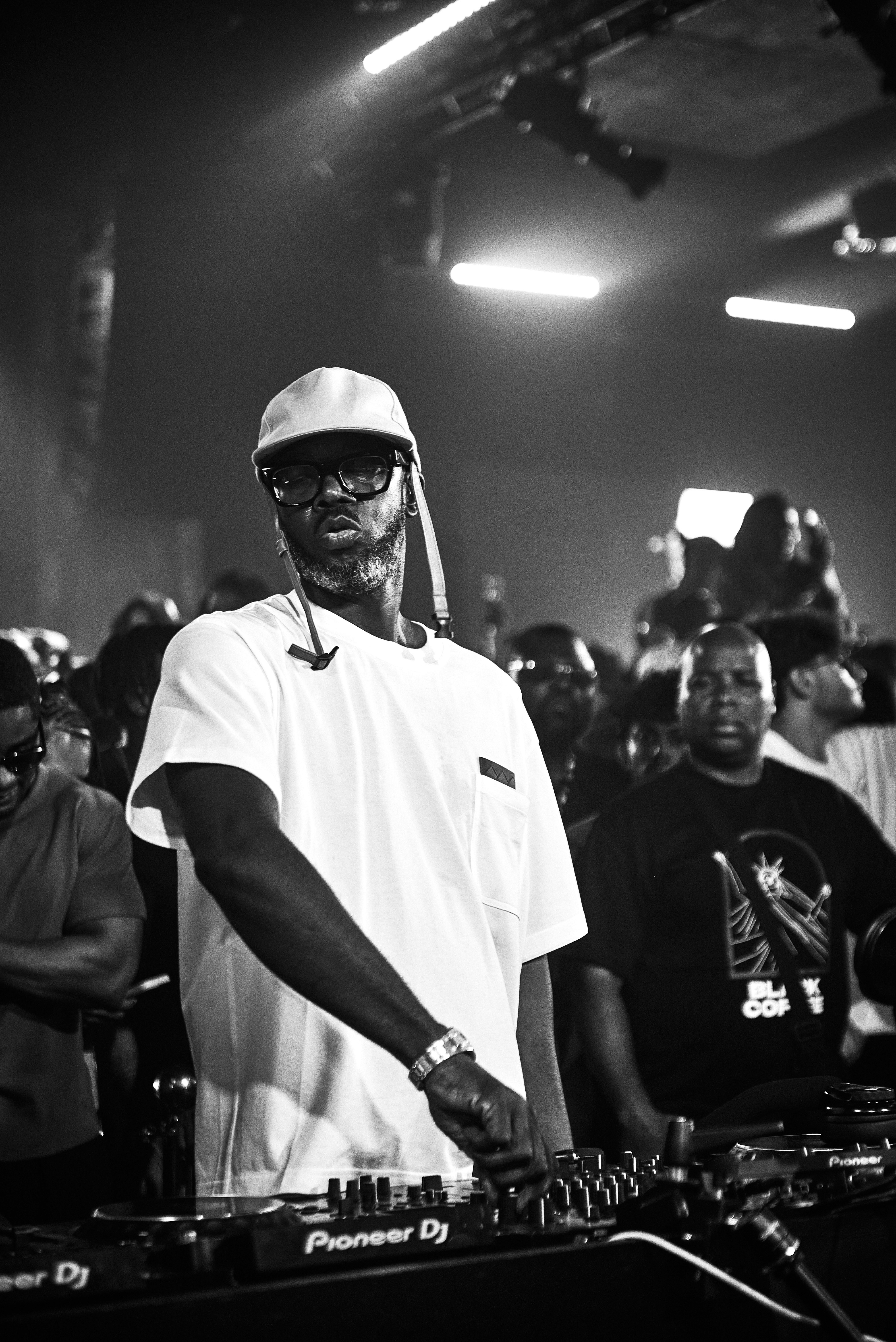
It didn’t arrive cautiously, and it didn’t position itself as something still being figured out. Built by Cafe Riddim and Wetalksound, the night committed fully to Nigerian dance music from start to finish, without softening it, without trying to make it more accessible, and without reaching outside of itself to keep the room engaged. What it offered was clear from the beginning, and what followed made that clarity feel justified.
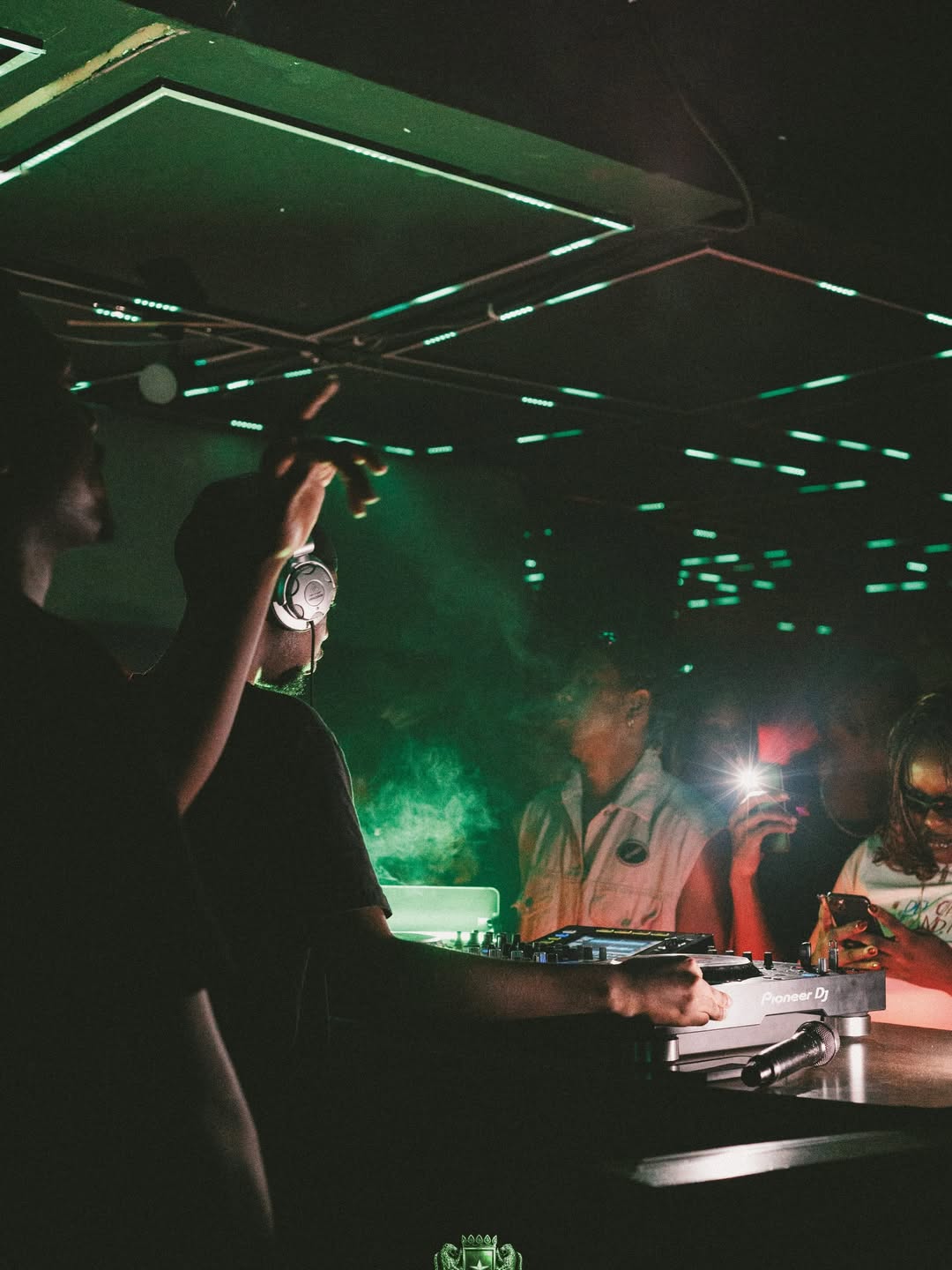
Calling it “House of Assembly,” with DJs framed as honourables within a kind of rhythmic chamber, could have easily tipped into concept over substance, but in practice it landed naturally, not as a layer imposed onto the night, but as something that reflected what was already happening. For something that, in recent memory, hasn’t really been attempted at this scale, it felt less like an experiment and more like a quiet acknowledgement of where the scene already is, and the role DJs already play within it.
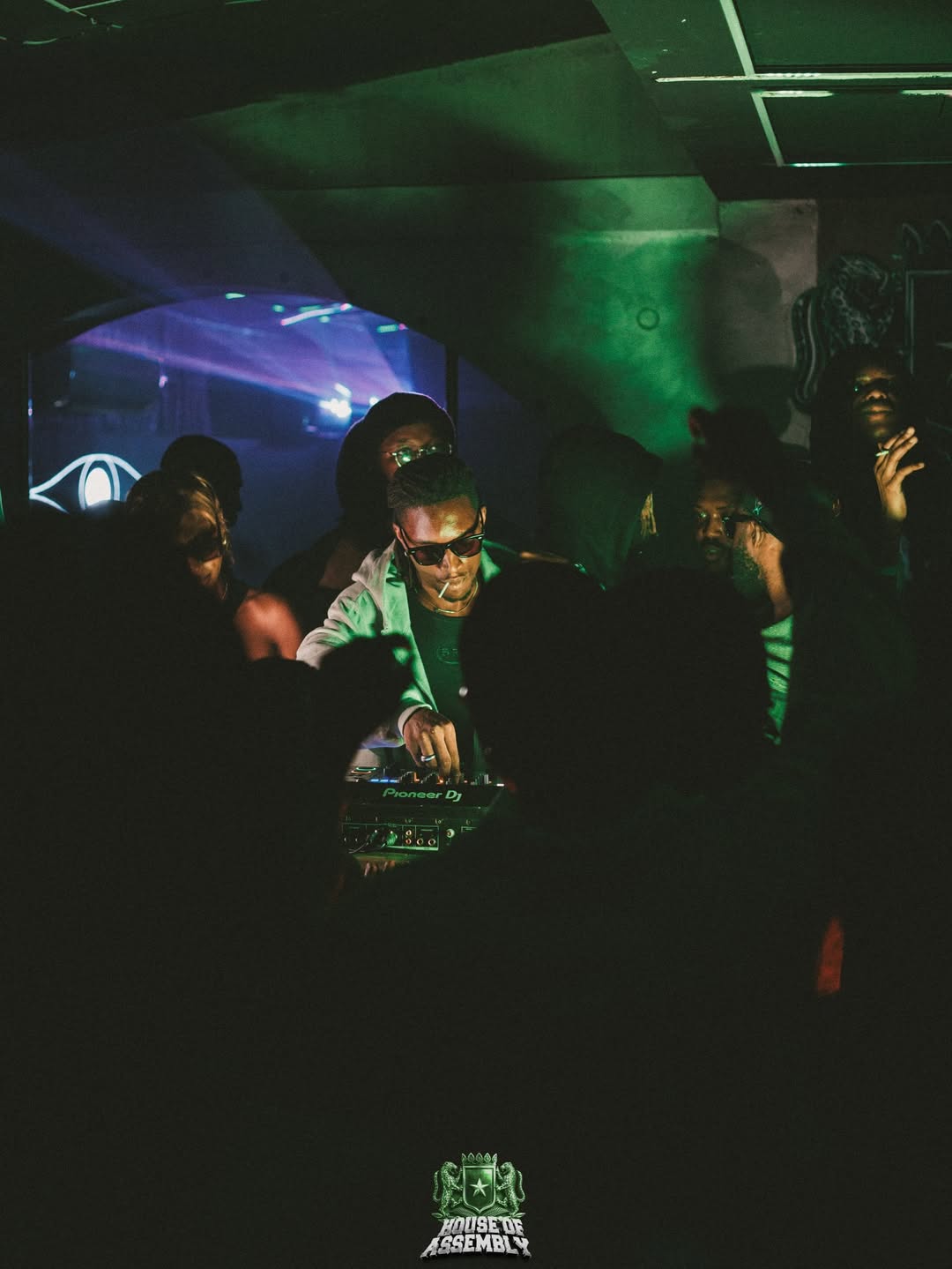
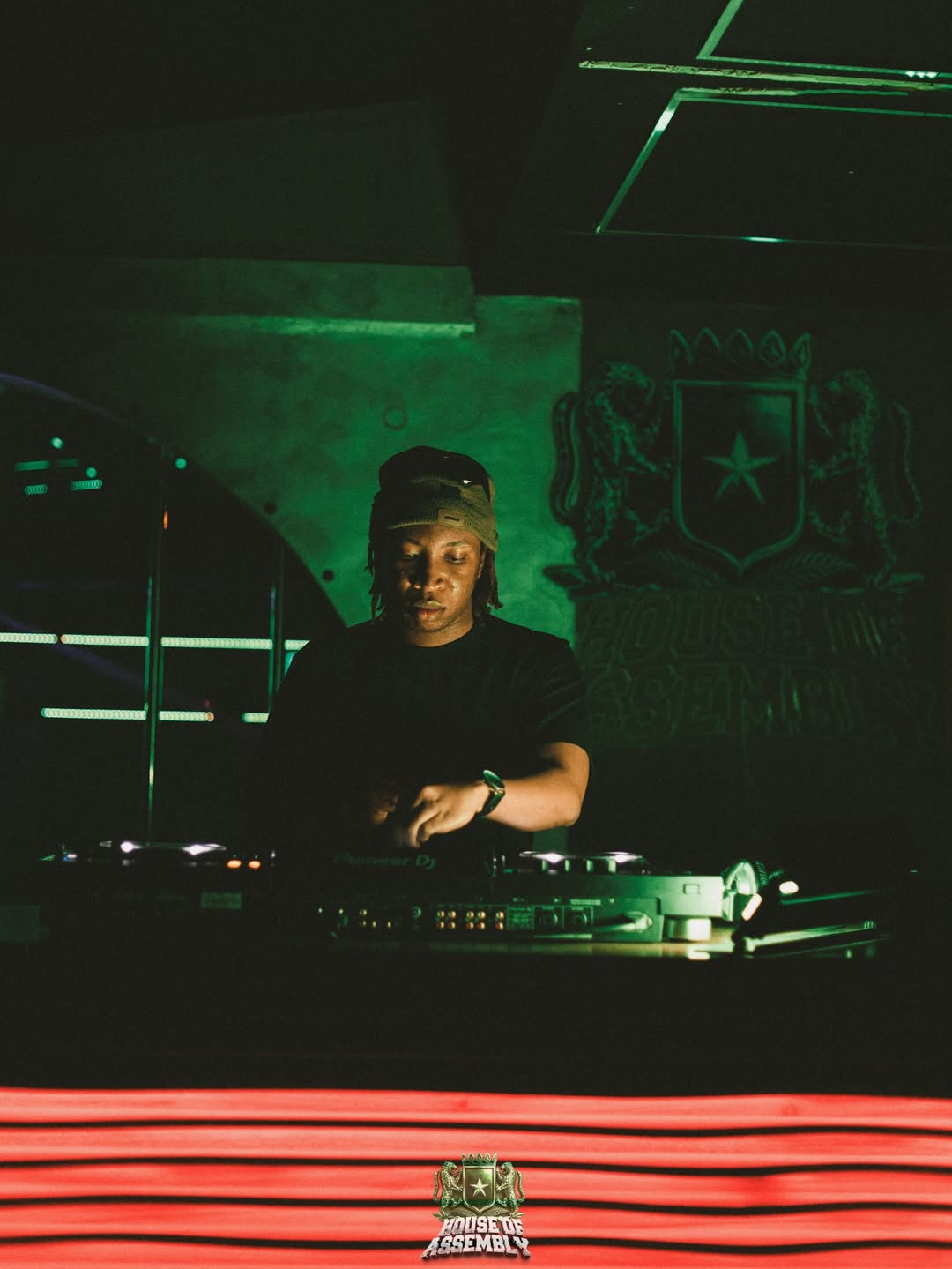
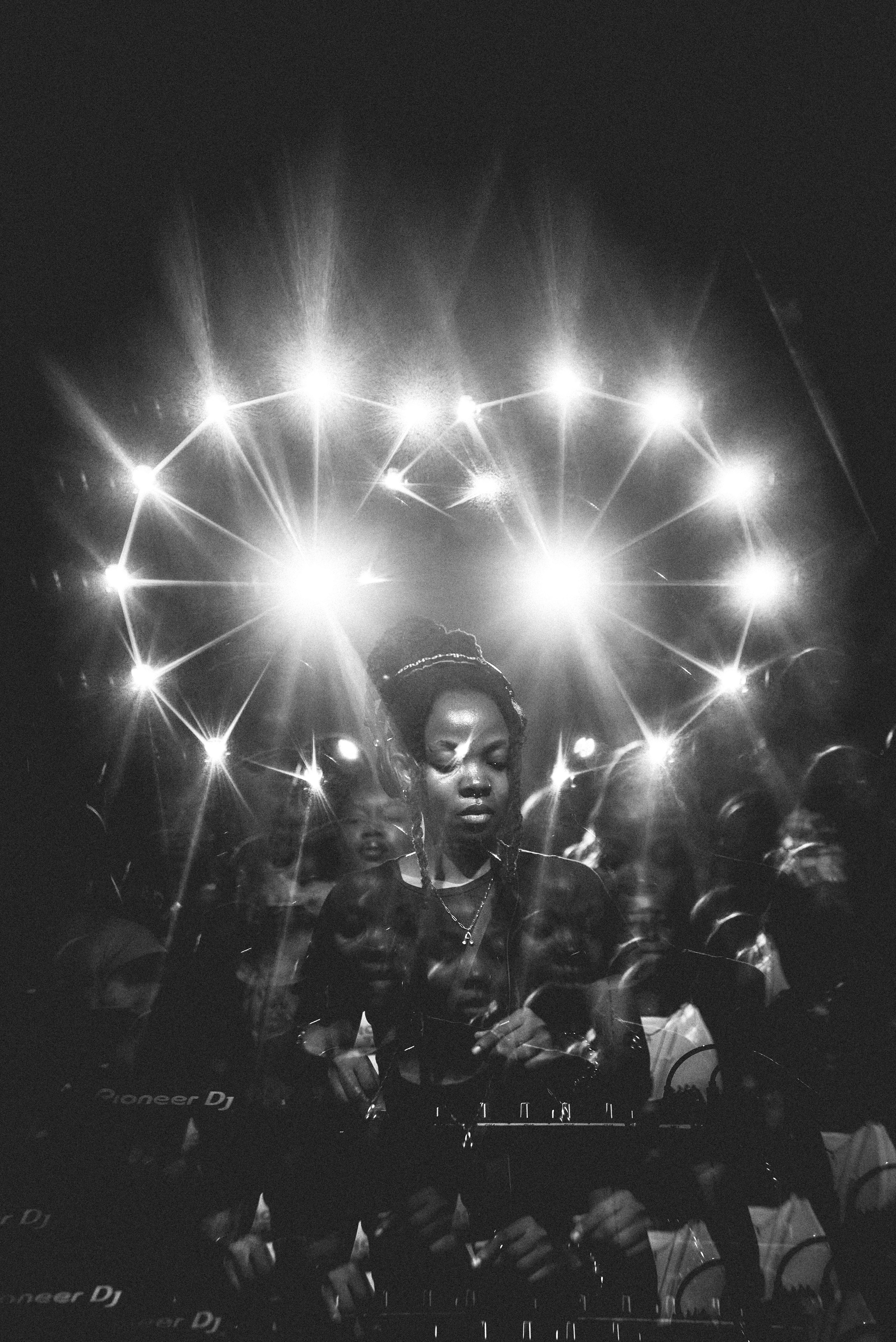
By the time we stepped in, Axara was already deep into her set, and the room had begun to organise itself around the music in a way that felt instinctive rather than directed. There was a steady build of momentum that didn’t rely on peaks or sudden shifts, but on continuity, the kind that pulls people in gradually until they are fully inside it without realising when that shift happened. When she dropped Ogba, the reaction was immediate, not because it was unfamiliar, but because it had already become a shared reference point, something the entire room recognised at once.
Ifeme C.S. followed without breaking that thread, but instead of holding the line, he pushed it further, bringing in early 2000s Afropop records that carried clear traces of electronic influence, reworking them in a way that felt less like nostalgia and more like recontextualisation, placing them firmly within the present moment rather than treating them as callbacks. What stood out wasn’t just the selections, but the confidence behind them, the absence of any need to step outside the sound to maintain attention.
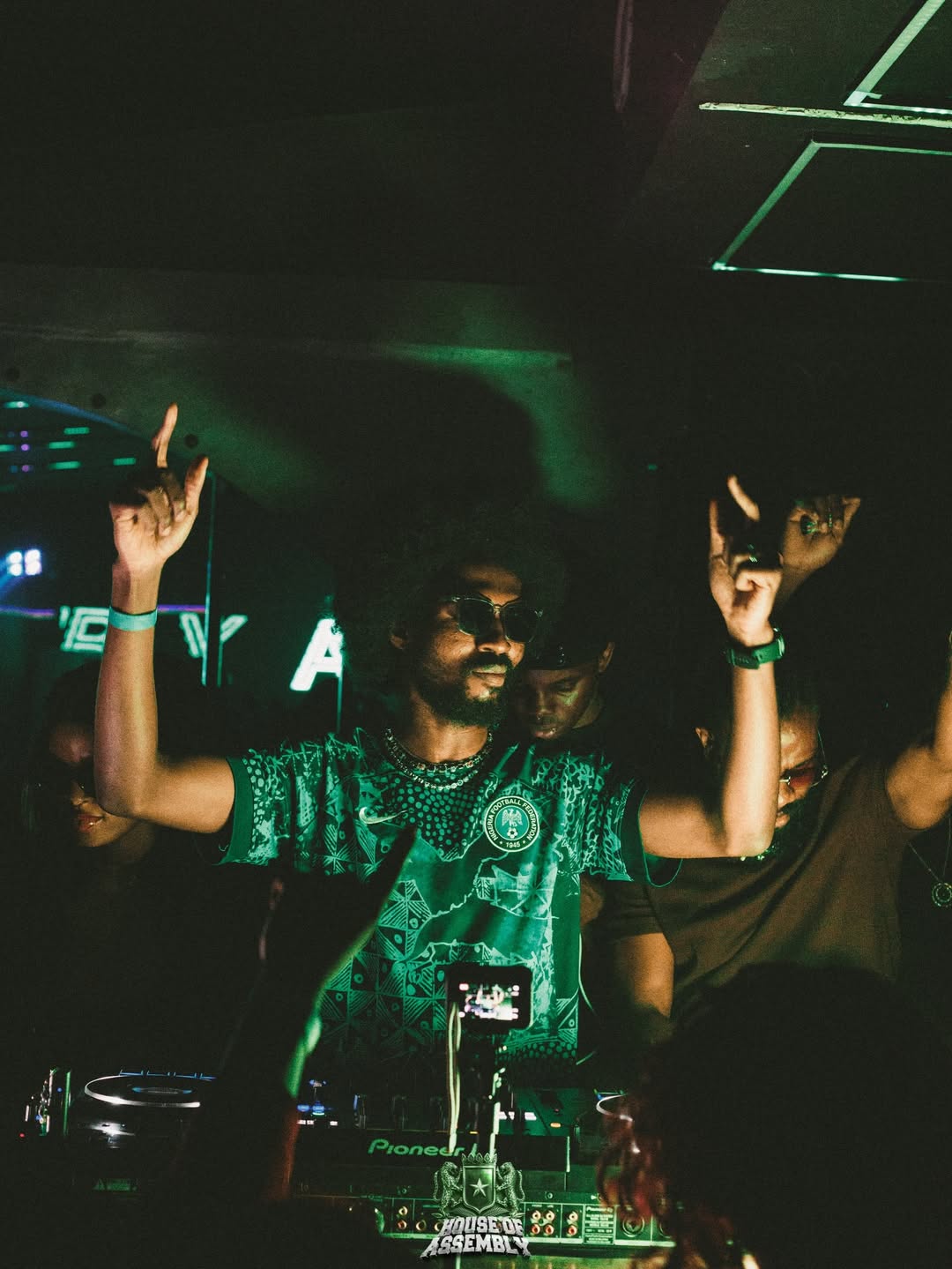
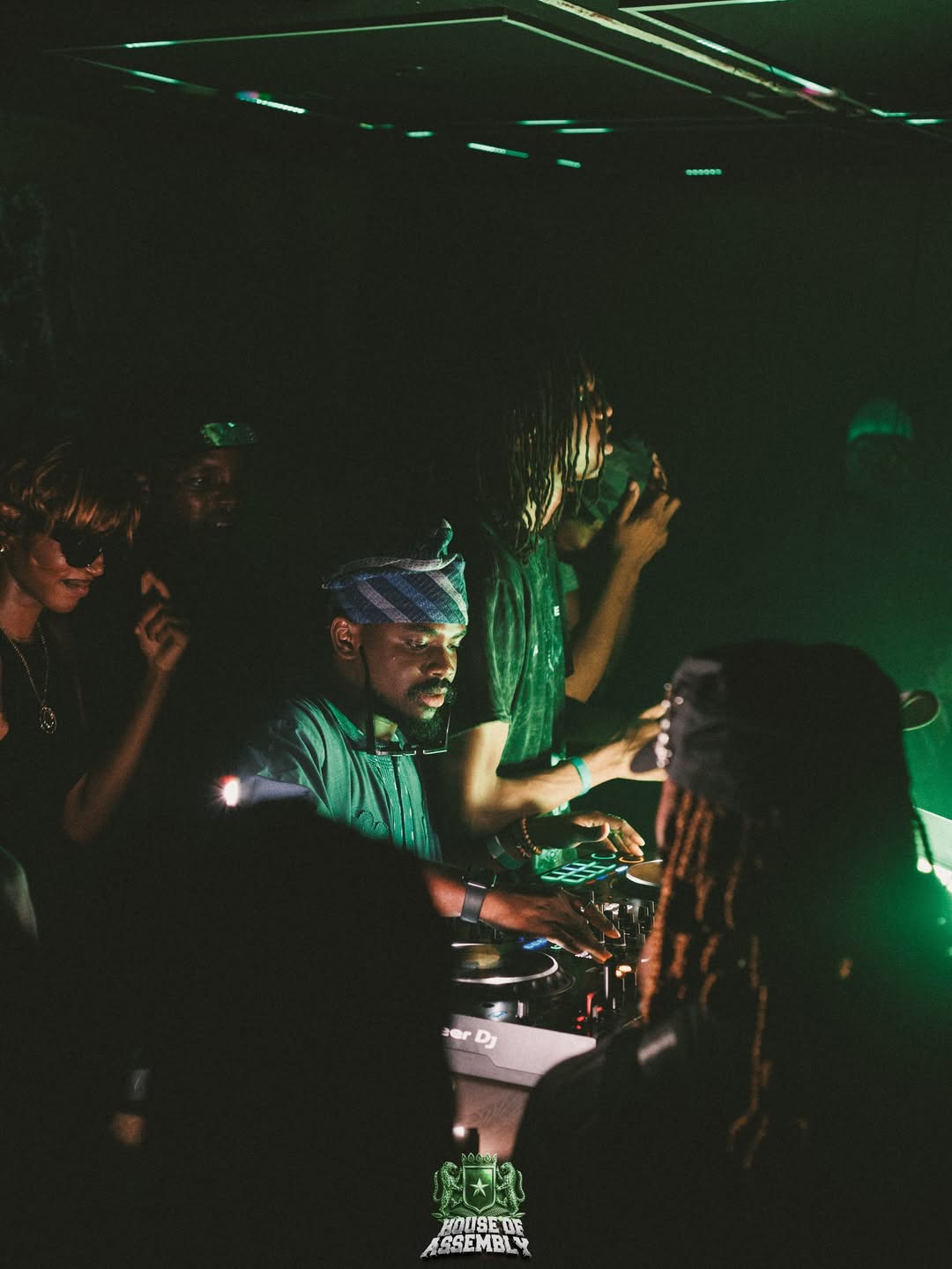
When Tobi Peter stepped in, the shift was subtle but precise, introducing a different kind of control that made the pacing feel deliberate, each transition landing with clarity rather than urgency. Even visually, his presence, showing up in his signature agbada, didn’t read as styling for effect, but as something continuous with the language of the night, an extension of the same idea rather than a separate gesture.
At different points, the structure opened up further. Artists like Artsalghul, Egertton, and Dan Papa GTA stepped into the space, performing NDM reinterpretations of their own records, expanding the scope of what was happening beyond the booth and reinforcing the idea that the sound is no longer confined to DJs alone, but is already extending across artists in real time.
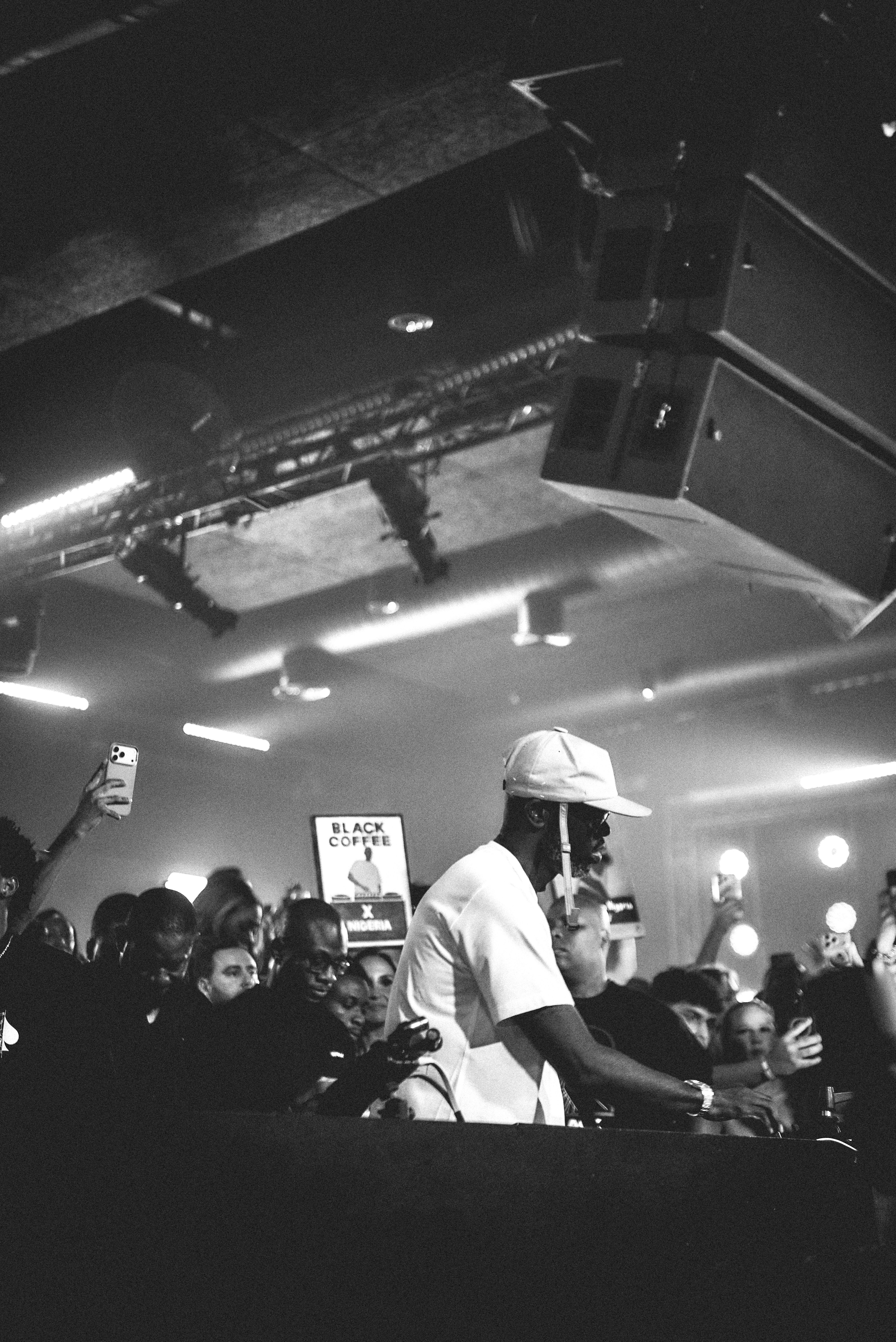
By the time Kevin LNDN closed the night, the intention had fully settled. Playing only his own records and remixes from beginning to end, his set didn’t feel restrictive, but expansive, pulling together everything that had come before it into something coherent, something that didn’t need to reach outward to sustain itself.
If anything, what the night made clear, without overstating it, is that the scene has already reached a point where it can hold its own, with enough range, enough depth, and enough confidence within the sound to sustain itself without borrowing from elsewhere.
And once that becomes visible, even for a moment, it’s difficult to go back to seeing it any other way.
Apr 24, 2025 - Written by Black noise magazine
House of Assembly was a declaration.
It didn’t arrive cautiously, and it didn’t position itself as something still being figured out. Built by Cafe Riddim and Wetalksound, the night committed fully to Nigerian dance music from start to finish, without softening it, without trying to make it more accessible, and without reaching outside of itself to keep the room engaged. What it offered was clear from the beginning, and what followed made that clarity feel justified.
Calling it “House of Assembly,” with DJs framed as honourables within a kind of rhythmic chamber, could have easily tipped into concept over substance, but in practice it landed naturally, not as a layer imposed onto the night, but as something that reflected what was already happening. For something that, in recent memory, hasn’t really been attempted at this scale, it felt less like an experiment and more like a quiet acknowledgement of where the scene already is, and the role DJs already play within it.
By the time we stepped in, Axara was already deep into her set, and the room had begun to organise itself around the music in a way that felt instinctive rather than directed. There was a steady build of momentum that didn’t rely on peaks or sudden shifts, but on continuity, the kind that pulls people in gradually until they are fully inside it without realising when that shift happened. When she dropped Ogba, the reaction was immediate, not because it was unfamiliar, but because it had already become a shared reference point, something the entire room recognised at once.
Ifeme C.S. followed without breaking that thread, but instead of holding the line, he pushed it further, bringing in early 2000s Afropop records that carried clear traces of electronic influence, reworking them in a way that felt less like nostalgia and more like recontextualisation, placing them firmly within the present moment rather than treating them as callbacks. What stood out wasn’t just the selections, but the confidence behind them, the absence of any need to step outside the sound to maintain attention.
When Tobi Peter stepped in, the shift was subtle but precise, introducing a different kind of control that made the pacing feel deliberate, each transition landing with clarity rather than urgency. Even visually, his presence, showing up in his signature agbada, didn’t read as styling for effect, but as something continuous with the language of the night, an extension of the same idea rather than a separate gesture.
At different points, the structure opened up further. Artists like Artsalghul, Egertton, and Dan Papa GTA stepped into the space, performing NDM reinterpretations of their own records, expanding the scope of what was happening beyond the booth and reinforcing the idea that the sound is no longer confined to DJs alone, but is already extending across artists in real time.
By the time Kevin LNDN closed the night, the intention had fully settled. Playing only his own records and remixes from beginning to end, his set didn’t feel restrictive, but expansive, pulling together everything that had come before it into something coherent, something that didn’t need to reach outward to sustain itself.
If anything, what the night made clear, without overstating it, is that the scene has already reached a point where it can hold its own, with enough range, enough depth, and enough confidence within the sound to sustain itself without borrowing from elsewhere.
And once that becomes visible, even for a moment, it’s difficult to go back to seeing it any other way.

Black Noise Mag
Black Noise Mag
Black Noise Mag