" transform="translate(2.266 2.266)" width="17.218780000000002px"/><path d="M 8.156 4.078 C 8.156 5.16 7.727 6.197 6.962 6.962 C 6.197 7.727 5.16 8.156 4.078 8.156 C 2.997 8.156 1.959 7.727 1.194 6.962 C 0.43 6.197 0 5.16 0 4.078 C 0 2.997 0.43 1.959 1.194 1.194 C 1.959 0.43 2.997 0 4.078 0 C 5.16 0 6.197 0.43 6.962 1.194 C 7.727 1.959 8.156 2.997 8.156 4.078 Z" fill="transparent" height="8.15622px" id="O9Ncbsd4H" stroke-dasharray="" stroke-linecap="butt" stroke-linejoin="miter" stroke-miterlimit="10" stroke-width="1.35938" stroke="rgb(31, 31, 31)" transform="translate(6.797 6.797)" width="8.15622px"/><path d="M 0.009 0 L 0 0" fill="transparent" height="1px" id="twDD_I79T" stroke-dasharray="" stroke-linecap="round" stroke-linejoin="round" stroke-width="1.8125" stroke="rgb(31, 31, 31)" transform="translate(15.857 5.891)" width="1px"/></svg>)
" transform="translate(2.719 2.719)" width="16.312450191802977px"/></svg>)
May 4, 2026 - Interview
SONS OF UBUNTU — EXCLUSIVE INTERVIEW
May 4, 2026 - Interview
SONS OF UBUNTU — EXCLUSIVE INTERVIEW
May 4, 2025 - Written by Ayo Grayson
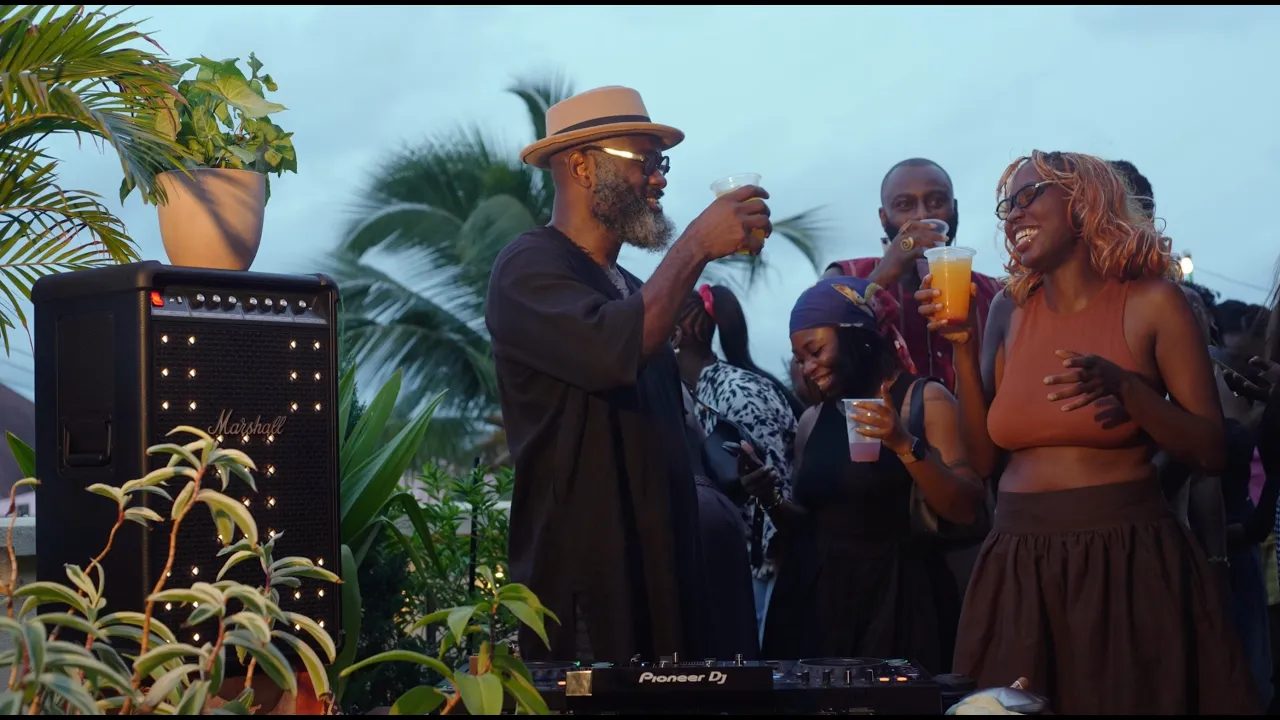
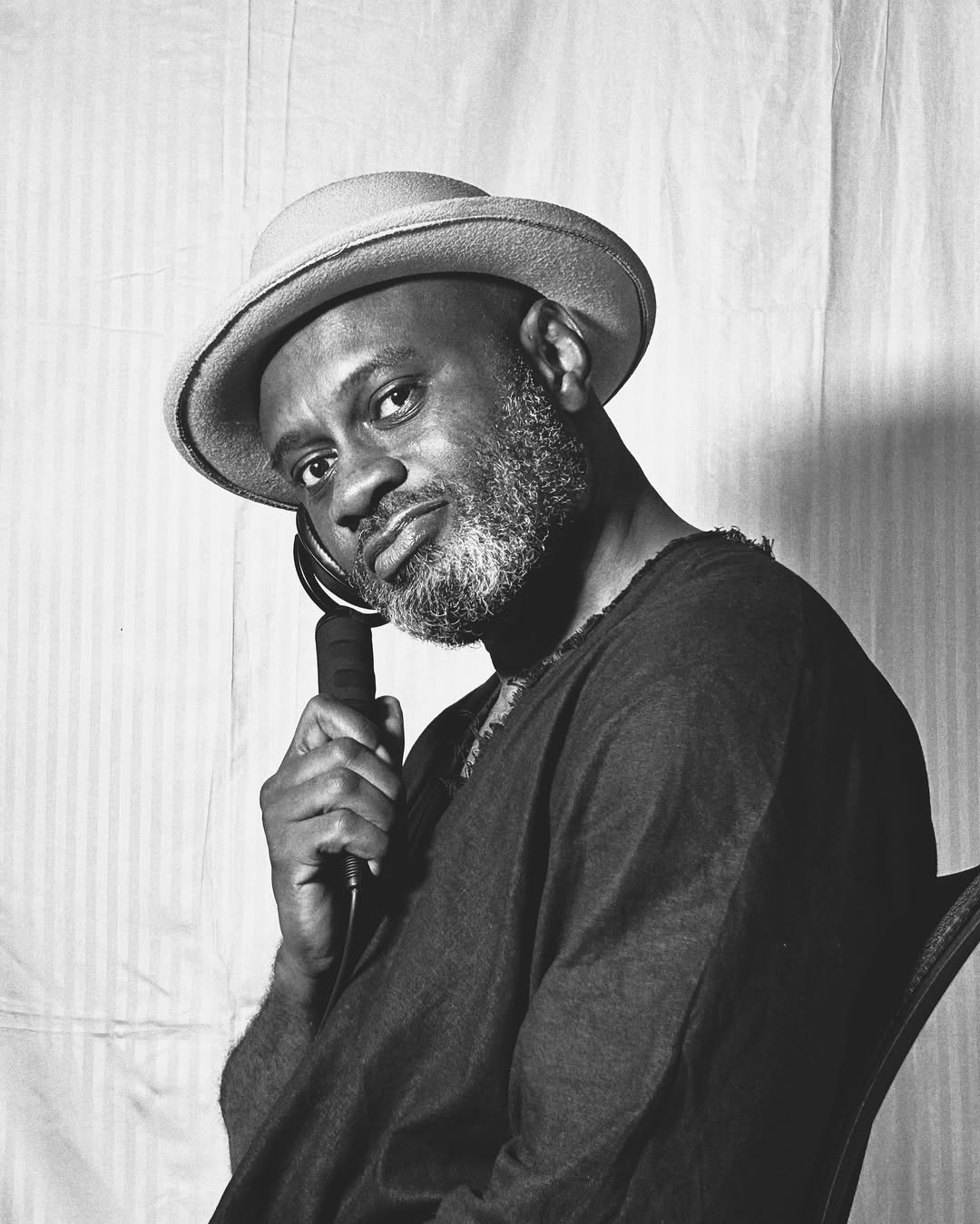
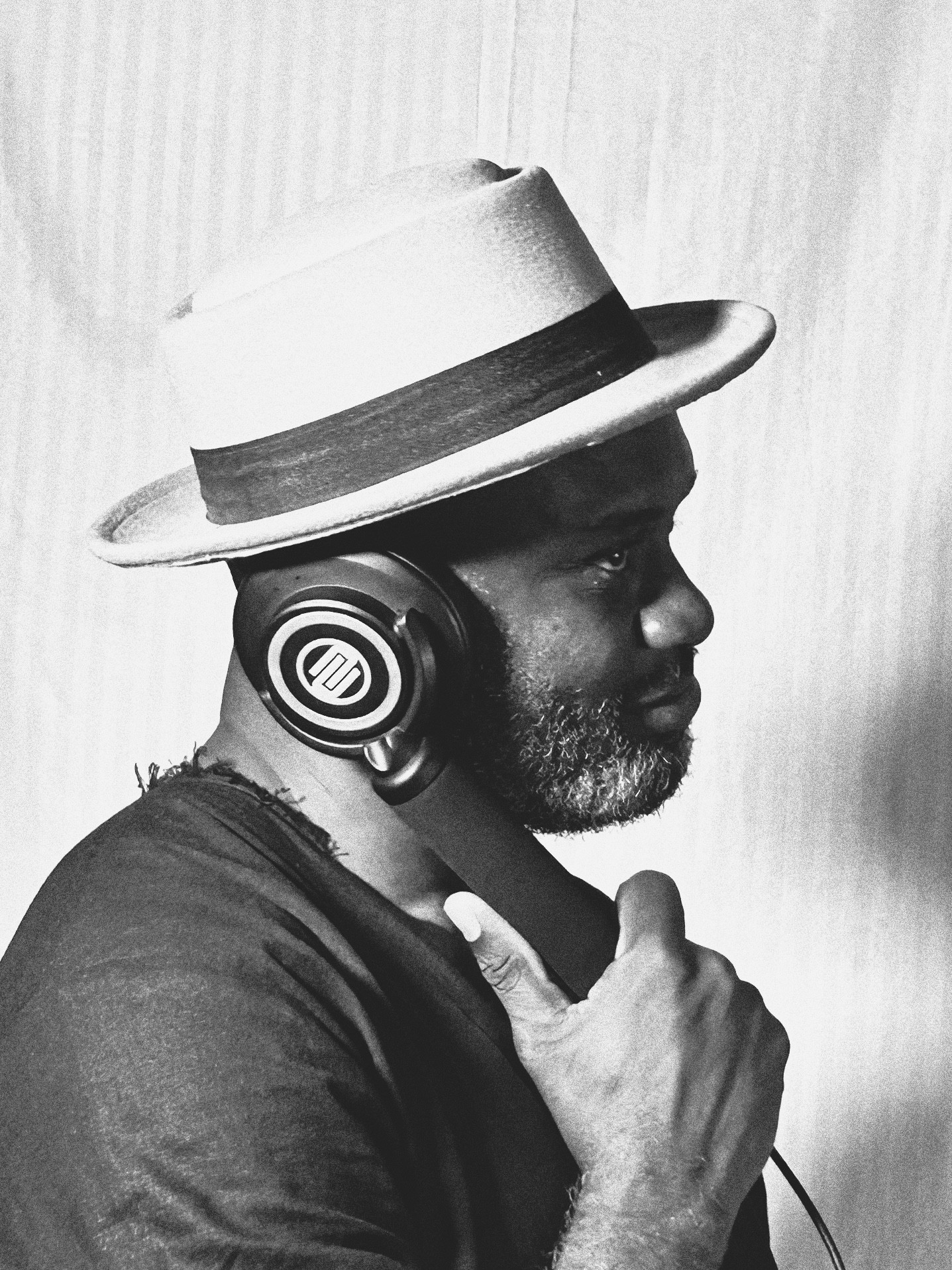
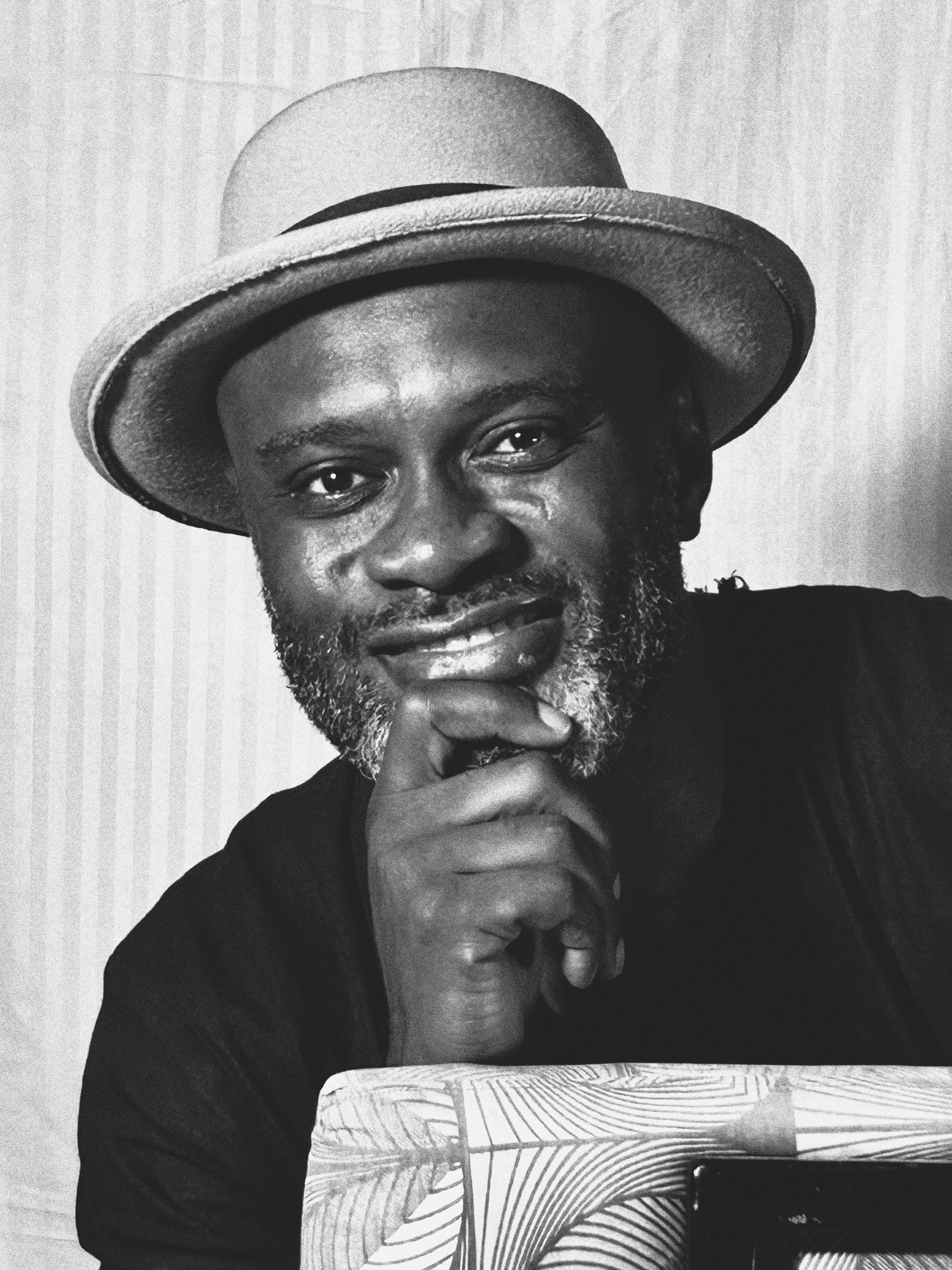
Nigerian electronic dance music is in a moment of quiet acceleration, with more household DJs stepping out from behind the decks and into production, claiming authorship over a sound that is beginning to take clearer shape. But for some, this shift is not new, it is simply the latest turn in a much longer journey. Ejiroghene Otitio A.K.A “Sons of Ubuntu” has been there since the slower, less legible days, building Sweat It Out into one of the spaces that helped define Lagos nightlife for a generation of ravers.
In a landscape where electronic music existed more as fragments than a defined scene, his approach was never about scale or spectacle, but about consistency, building spaces, nurturing community, and trusting that something would take shape over time. That same instinct runs through everything, from the early days of Sweat It Out to a slow, deliberate move into production, culminating in a remix of Celeste Ojatula & Anabel rose’s Traveller, a song that feels less like a debut and more like a marker of transition. Now he enters another phase of his journey, not as a newcomer trying to catch up with the moment, but as a pioneer and turntable-veteran whose path has helped make the moment possible in the first place.
May 4, 2025 - Written by Ayo Grayson
Nigerian electronic dance music is in a moment of quiet acceleration, with more household DJs stepping out from behind the decks and into production, claiming authorship over a sound that is beginning to take clearer shape. But for some, this shift is not new, it is simply the latest turn in a much longer journey. Ejiroghene Otitio A.K.A “Sons of Ubuntu” has been there since the slower, less legible days, building Sweat It Out into one of the spaces that helped define Lagos nightlife for a generation of ravers.
In a landscape where electronic music existed more as fragments than a defined scene, his approach was never about scale or spectacle, but about consistency, building spaces, nurturing community, and trusting that something would take shape over time. That same instinct runs through everything, from the early days of Sweat It Out to a slow, deliberate move into production, culminating in a remix of Celeste Ojatula & Anabel rose’s Traveller, a song that feels less like a debut and more like a marker of transition. Now he enters another phase of his journey, not as a newcomer trying to catch up with the moment, but as a pioneer and turntable-veteran whose path has helped make the moment possible in the first place.
You mentioned the Ubuntu philosophy earlier — how did that shape the name “Sons of Ubuntu” and your approach to what you do?
I started out DJing for family and friends, and I wanted a name that carried meaning. The Ubuntu philosophy — “we are as strong as our weakest link” — really resonated with me. It’s about community, about supporting one another, about a “one for all, all for one” way of living.
I’ve always believed that supporting each other is one of the greatest things we can do as human beings. So the name became a way to push that philosophy forward. At the time, I was DJing under the name DJ Ubuntu the Amateur, and I was playing mainstream music, hip-hop, R&B, EDM. I’ve actually been DJing for about 16 or 17 years, so a lot of people who know me today don’t know that part of my journey.
The “amateur” came from another philosophy I connected with — the idea that you should never see yourself as number one. If you see yourself as the best, you stop learning. And when you stop learning, you stop growing. Being “the amateur” meant I was always open, always evolving.
But after a few years, it started to feel contradictory. I was growing, playing for more people, building a reputation, and still calling myself an amateur didn’t reflect where I was anymore. So I dropped that part.
“Ubuntu” stayed, because it was simple and meaningful. And then it became Sons of Ubuntu. It couldn’t be “People of Ubuntu,” that felt too long. It couldn’t be “Daughters of Ubuntu.” “Sons of Ubuntu” just felt right.
You mentioned the Ubuntu philosophy earlier — how did that shape the name “Sons of Ubuntu” and your approach to what you do?
I started out DJing for family and friends, and I wanted a name that carried meaning. The Ubuntu philosophy — “we are as strong as our weakest link” — really resonated with me. It’s about community, about supporting one another, about a “one for all, all for one” way of living.
I’ve always believed that supporting each other is one of the greatest things we can do as human beings. So the name became a way to push that philosophy forward. At the time, I was DJing under the name DJ Ubuntu the Amateur, and I was playing mainstream music, hip-hop, R&B, EDM. I’ve actually been DJing for about 16 or 17 years, so a lot of people who know me today don’t know that part of my journey.
The “amateur” came from another philosophy I connected with — the idea that you should never see yourself as number one. If you see yourself as the best, you stop learning. And when you stop learning, you stop growing. Being “the amateur” meant I was always open, always evolving.
But after a few years, it started to feel contradictory. I was growing, playing for more people, building a reputation, and still calling myself an amateur didn’t reflect where I was anymore. So I dropped that part.
“Ubuntu” stayed, because it was simple and meaningful. And then it became Sons of Ubuntu. It couldn’t be “People of Ubuntu,” that felt too long. It couldn’t be “Daughters of Ubuntu.” “Sons of Ubuntu” just felt right.
How has that philosophy guided the way you approach DJing, your events, and the wider music community?
For me, it shows up in how I interact with people. When someone reaches out to book me, I usually suggest we get on a call. And I always say, whether you book me or not, there’s value in that conversation. Because I’ll share what I know.
Sometimes people come to me wanting to throw a party, and even if I don’t end up playing, I’ll give feedback. I’ll ask questions about what they’re building, their direction, their experience. I’ve been in this space for years, so I see that as a way to contribute.
It’s not about competition. I don’t see it that way. The sky is big enough for everyone.
There was a DJ I met who had just started. He put out a mix, and I reached out to him. I invited him over, walked him through what he could improve, just supported his growth.
About a year later, I needed help with something — and I called the same person. At that point, he had developed skills in an area I hadn’t. And he helped me.
That’s how I see it. When you support people, it comes back around. Either they support others, or they support you.
So whether it’s DJing, curating events, or building community, I approach it as a collaborator. Someone who brings people together, who helps things grow.
That’s Ubuntu in practice.
How has that philosophy guided the way you approach DJing, your events, and the wider music community?
For me, it shows up in how I interact with people. When someone reaches out to book me, I usually suggest we get on a call. And I always say, whether you book me or not, there’s value in that conversation. Because I’ll share what I know.
Sometimes people come to me wanting to throw a party, and even if I don’t end up playing, I’ll give feedback. I’ll ask questions about what they’re building, their direction, their experience. I’ve been in this space for years, so I see that as a way to contribute.
It’s not about competition. I don’t see it that way. The sky is big enough for everyone.
There was a DJ I met who had just started. He put out a mix, and I reached out to him. I invited him over, walked him through what he could improve, just supported his growth.
About a year later, I needed help with something — and I called the same person. At that point, he had developed skills in an area I hadn’t. And he helped me.
That’s how I see it. When you support people, it comes back around. Either they support others, or they support you.
So whether it’s DJing, curating events, or building community, I approach it as a collaborator. Someone who brings people together, who helps things grow.
That’s Ubuntu in practice.
Can you take me back to when you first fell in love with electronic music? What drew you to it?
Music has always been part of my life. I often use this analogy — like a fish in water. A fish doesn’t think about water, it just exists in it. That’s how music has been for me. It’s always been there. And it’s never been just one genre. I’ve gone through phases — different eras, different sounds, different artists. I’ve explored everything.
So I can’t point to a single moment where I “discovered” electronic music. It was always there. But if I had to identify a defining moment, it would be when I got deeper into Afro House. I had a friend who travelled to South Africa, and I asked him to bring back some music. He came back with CDs — Black Coffee, Euphonic, and others.
Listening to those repeatedly really pulled me in. That was around 2007. That period made things more intentional for me. From there, it became a journey — listening, exploring, and eventually expressing that through DJing.
As I started DJing more, I realised I enjoyed playing house music more than anything else. It wasn’t about commercial success — I had a 9–5 at the time — it was about what felt right.
So I made a decision: if I was going to do this, I would do it on my terms. I stopped playing mainstream music and focused on electronic music. Not to exclude people, but because that was the direction I wanted to go in.
I also invested in my own equipment so I could do things properly. And from that point on, if someone wanted to book me, they had to understand the kind of music I played. That decision shaped everything that came after.
Can you take me back to when you first fell in love with electronic music? What drew you to it?
Music has always been part of my life. I often use this analogy — like a fish in water. A fish doesn’t think about water, it just exists in it. That’s how music has been for me. It’s always been there. And it’s never been just one genre. I’ve gone through phases — different eras, different sounds, different artists. I’ve explored everything.
So I can’t point to a single moment where I “discovered” electronic music. It was always there. But if I had to identify a defining moment, it would be when I got deeper into Afro House. I had a friend who travelled to South Africa, and I asked him to bring back some music. He came back with CDs — Black Coffee, Euphonic, and others.
Listening to those repeatedly really pulled me in. That was around 2007. That period made things more intentional for me. From there, it became a journey — listening, exploring, and eventually expressing that through DJing.
As I started DJing more, I realised I enjoyed playing house music more than anything else. It wasn’t about commercial success — I had a 9–5 at the time — it was about what felt right.
So I made a decision: if I was going to do this, I would do it on my terms. I stopped playing mainstream music and focused on electronic music. Not to exclude people, but because that was the direction I wanted to go in.
I also invested in my own equipment so I could do things properly. And from that point on, if someone wanted to book me, they had to understand the kind of music I played. That decision shaped everything that came after.
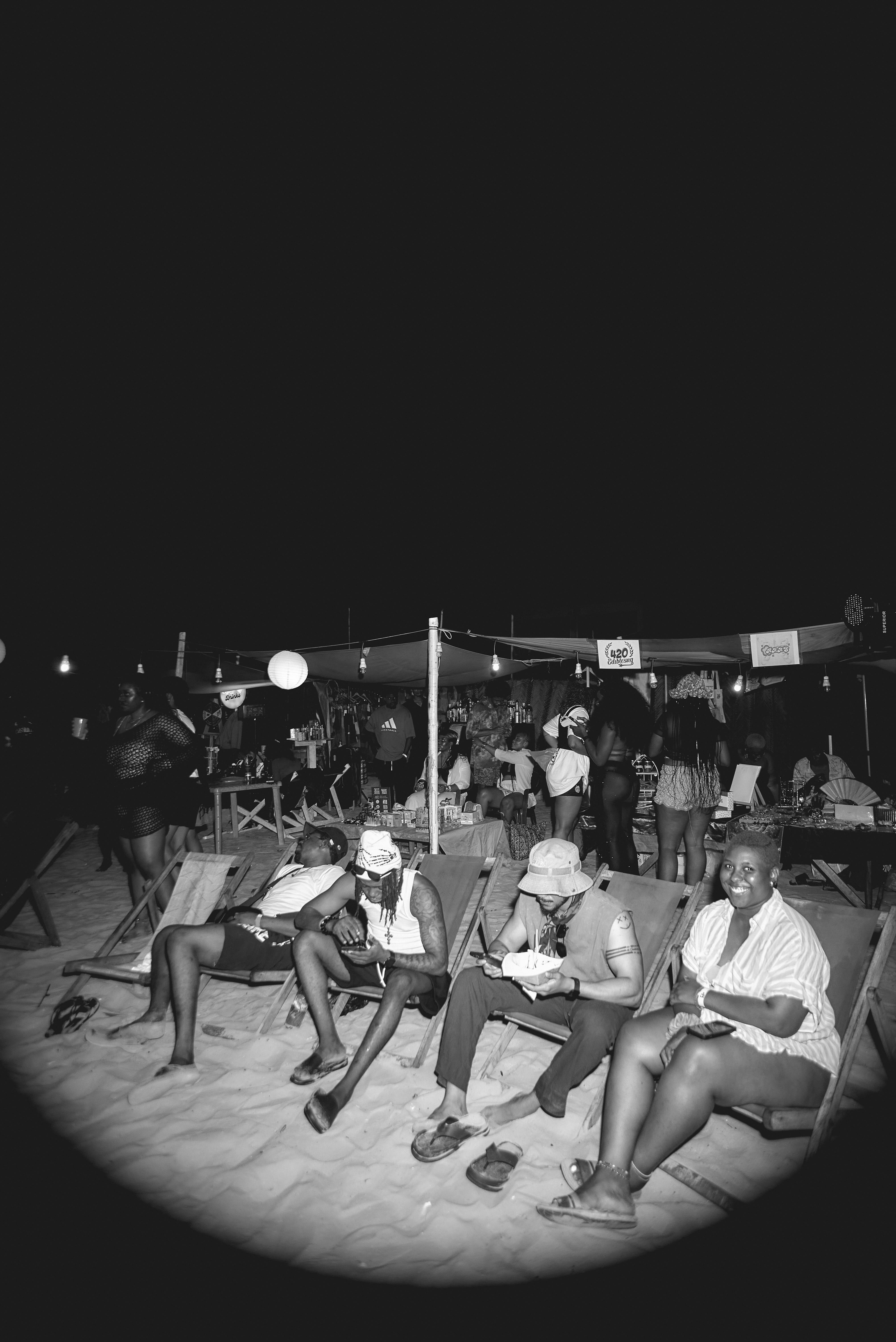
Sweat It Out has been around for years now. What was the scene like when you started, and what were you trying to build?
It wasn’t about trying to fill a gap at the time. It was really about creating a space for ourselves — to have a good time with friends, but in a very intentional way.
Back then, Element House was the only electronic music party in Lagos. The scene was much smaller, and the energy was different. I used to attend regularly, and over time, I became friends with Tomcee (fka Dr. Love), who is now my partner. We bonded over music, over shared experiences, and over a genuine love for house music. Eventually, his birthday was coming up, and the idea came up — instead of just having a regular party, why don’t we create something? He reached out to me about collaborating, and I didn’t hesitate. It felt natural.
The first Sweat It Out was in an apartment at 1004. It was very small — maybe 25 people at the start, and by the end of the night, it grew to about 40 or 45. People spilled into the garden. We played music until around 7:30 in the morning, and the only reason we stopped was because people living there needed to sleep.
There was no lineup, no structure. Just a group of friends playing music and enjoying ourselves. After that, we decided to do it again. And then again. It just kept growing.
The first few editions were free. When we eventually started charging, it was because we were investing more into production — better sound, lighting, venues. But even then, the intention didn’t change. We wanted it to feel underground. That was non-negotiable.
We curated the experience very deliberately — blacked-out spaces, immersive environments, a focus on sound and lighting. When you’re in the party, you’re fully inside it. The outside world doesn’t matter.
We also had standards — people needed to feel safe, basic things like clean and usable toilets mattered. But beyond that, everything was about the music and the experience. Over time, we realised we were filling a gap. But that wasn’t the starting point. It came as a result of doing something we believed in, consistently.
Sweat It Out has been around for years now. What was the scene like when you started, and what were you trying to build?
It wasn’t about trying to fill a gap at the time. It was really about creating a space for ourselves — to have a good time with friends, but in a very intentional way.
Back then, Element House was the only electronic music party in Lagos. The scene was much smaller, and the energy was different. I used to attend regularly, and over time, I became friends with Tomcee (fka Dr. Love), who is now my partner. We bonded over music, over shared experiences, and over a genuine love for house music. Eventually, his birthday was coming up, and the idea came up — instead of just having a regular party, why don’t we create something? He reached out to me about collaborating, and I didn’t hesitate. It felt natural.
The first Sweat It Out was in an apartment at 1004. It was very small — maybe 25 people at the start, and by the end of the night, it grew to about 40 or 45. People spilled into the garden. We played music until around 7:30 in the morning, and the only reason we stopped was because people living there needed to sleep.
There was no lineup, no structure. Just a group of friends playing music and enjoying ourselves. After that, we decided to do it again. And then again. It just kept growing.
The first few editions were free. When we eventually started charging, it was because we were investing more into production — better sound, lighting, venues. But even then, the intention didn’t change. We wanted it to feel underground. That was non-negotiable.
We curated the experience very deliberately — blacked-out spaces, immersive environments, a focus on sound and lighting. When you’re in the party, you’re fully inside it. The outside world doesn’t matter.
We also had standards — people needed to feel safe, basic things like clean and usable toilets mattered. But beyond that, everything was about the music and the experience. Over time, we realised we were filling a gap. But that wasn’t the starting point. It came as a result of doing something we believed in, consistently.
Sweat It Out has been around for years now. What was the scene like when you started, and what were you trying to build?
It wasn’t about trying to fill a gap at the time. It was really about creating a space for ourselves — to have a good time with friends, but in a very intentional way.
Back then, Element House was the only electronic music party in Lagos. The scene was much smaller, and the energy was different. I used to attend regularly, and over time, I became friends with Tomcee (fka Dr. Love), who is now my partner. We bonded over music, over shared experiences, and over a genuine love for house music. Eventually, his birthday was coming up, and the idea came up — instead of just having a regular party, why don’t we create something? He reached out to me about collaborating, and I didn’t hesitate. It felt natural.
The first Sweat It Out was in an apartment at 1004. It was very small — maybe 25 people at the start, and by the end of the night, it grew to about 40 or 45. People spilled into the garden. We played music until around 7:30 in the morning, and the only reason we stopped was because people living there needed to sleep.
There was no lineup, no structure. Just a group of friends playing music and enjoying ourselves. After that, we decided to do it again. And then again. It just kept growing.
The first few editions were free. When we eventually started charging, it was because we were investing more into production — better sound, lighting, venues. But even then, the intention didn’t change. We wanted it to feel underground. That was non-negotiable.
We curated the experience very deliberately — blacked-out spaces, immersive environments, a focus on sound and lighting. When you’re in the party, you’re fully inside it. The outside world doesn’t matter.
We also had standards — people needed to feel safe, basic things like clean and usable toilets mattered. But beyond that, everything was about the music and the experience. Over time, we realised we were filling a gap. But that wasn’t the starting point. It came as a result of doing something we believed in, consistently.
We’re seeing more DJs step into production and release their own music. Why do you think that shift is happening now?
It’s a natural progression, especially within the underground. At its core, the underground is less about commercial success and more about the art form. As a DJ, you’re already engaging with music at a deeper level than the average listener. You’re selecting, shaping, presenting sound.
But you’re still consuming what other people have created. At some point, it becomes natural to want to contribute. To add something of your own.
So you start asking yourself — what would it sound like if I created something? What would it sound like if I used my own cultural references, my own influences? That’s how genres evolve. Afro House is a good example — people took the framework of house music and infused it with their own identity, their own sound.
So for DJs, becoming producers is just an extension of that journey. It’s about contributing to the culture, not just participating in it. And within the community, even if it’s not explicitly said, there’s an internal question — what have you added?
It’s not about numbers or streams. It’s about contribution.
We’re seeing more DJs step into production and release their own music. Why do you think that shift is happening now?
It’s a natural progression, especially within the underground. At its core, the underground is less about commercial success and more about the art form. As a DJ, you’re already engaging with music at a deeper level than the average listener. You’re selecting, shaping, presenting sound.
But you’re still consuming what other people have created. At some point, it becomes natural to want to contribute. To add something of your own.
So you start asking yourself — what would it sound like if I created something? What would it sound like if I used my own cultural references, my own influences? That’s how genres evolve. Afro House is a good example — people took the framework of house music and infused it with their own identity, their own sound.
So for DJs, becoming producers is just an extension of that journey. It’s about contributing to the culture, not just participating in it. And within the community, even if it’s not explicitly said, there’s an internal question — what have you added?
It’s not about numbers or streams. It’s about contribution.
We’re seeing more DJs step into production and release their own music. Why do you think that shift is happening now?
It’s a natural progression, especially within the underground. At its core, the underground is less about commercial success and more about the art form. As a DJ, you’re already engaging with music at a deeper level than the average listener. You’re selecting, shaping, presenting sound.
But you’re still consuming what other people have created. At some point, it becomes natural to want to contribute. To add something of your own.
So you start asking yourself — what would it sound like if I created something? What would it sound like if I used my own cultural references, my own influences? That’s how genres evolve. Afro House is a good example — people took the framework of house music and infused it with their own identity, their own sound.
So for DJs, becoming producers is just an extension of that journey. It’s about contributing to the culture, not just participating in it. And within the community, even if it’s not explicitly said, there’s an internal question — what have you added?
It’s not about numbers or streams. It’s about contribution.
You’ve been DJing for over a decade. Why did this feel like the right time to release your first song?
It’s not really about timing in that sense. This has been building for a while. I’ve approached production gradually. Instead of jumping straight into making my own music, I started by working with others — acting as an executive producer, collaborating, learning the process from the inside.
It’s something I’ve done in other areas of my life as well — taking an indirect route, easing into it. Over the past few years, I’ve been involved in different projects, shaping sound, guiding creative direction. And now, I’m getting more comfortable putting my own work out.
So “now” isn’t a fixed moment. It’s just where I am in that journey.
You’ve been DJing for over a decade. Why did this feel like the right time to release your first song?
It’s not really about timing in that sense. This has been building for a while. I’ve approached production gradually. Instead of jumping straight into making my own music, I started by working with others — acting as an executive producer, collaborating, learning the process from the inside.
It’s something I’ve done in other areas of my life as well — taking an indirect route, easing into it. Over the past few years, I’ve been involved in different projects, shaping sound, guiding creative direction. And now, I’m getting more comfortable putting my own work out.
So “now” isn’t a fixed moment. It’s just where I am in that journey.
You’ve been DJing for over a decade. Why did this feel like the right time to release your first song?
It’s not really about timing in that sense. This has been building for a while. I’ve approached production gradually. Instead of jumping straight into making my own music, I started by working with others — acting as an executive producer, collaborating, learning the process from the inside.
It’s something I’ve done in other areas of my life as well — taking an indirect route, easing into it. Over the past few years, I’ve been involved in different projects, shaping sound, guiding creative direction. And now, I’m getting more comfortable putting my own work out.
So “now” isn’t a fixed moment. It’s just where I am in that journey.
What was it about “Traveler” that made you want to reinterpret it?
I’m very intentional about how I document my life. I use different things — music, even tattoos — as markers of specific periods. “Traveler” represents a transition for me.
In December 2024, I turned 50 and made a major decision — I left a 25-year corporate career to focus on music. That was a significant shift. For the first few months, the transition felt smooth. I had DJ engagements, I was earning, and everything seemed to align. But when that slowed down, I experienced a very different reality.
I entered what you might call the “hungry artist” phase — something people often go through earlier in life, but I was experiencing it at 50, with responsibilities, with a family. It was intense.
But I didn’t see it as a negative. I saw it as part of the process — something that builds you. When I listened to “Traveler,” it reflected exactly what I was going through. The idea of movement, of becoming, of navigating uncertainty.
So reinterpreting it in Afro House felt natural. It was both personal and musical.
What was it about “Traveler” that made you want to reinterpret it?
I’m very intentional about how I document my life. I use different things — music, even tattoos — as markers of specific periods. “Traveler” represents a transition for me.
In December 2024, I turned 50 and made a major decision — I left a 25-year corporate career to focus on music. That was a significant shift. For the first few months, the transition felt smooth. I had DJ engagements, I was earning, and everything seemed to align. But when that slowed down, I experienced a very different reality.
I entered what you might call the “hungry artist” phase — something people often go through earlier in life, but I was experiencing it at 50, with responsibilities, with a family. It was intense.
But I didn’t see it as a negative. I saw it as part of the process — something that builds you. When I listened to “Traveler,” it reflected exactly what I was going through. The idea of movement, of becoming, of navigating uncertainty.
So reinterpreting it in Afro House felt natural. It was both personal and musical.
What was it about “Traveler” that made you want to reinterpret it?
I’m very intentional about how I document my life. I use different things — music, even tattoos — as markers of specific periods. “Traveler” represents a transition for me.
In December 2024, I turned 50 and made a major decision — I left a 25-year corporate career to focus on music. That was a significant shift. For the first few months, the transition felt smooth. I had DJ engagements, I was earning, and everything seemed to align. But when that slowed down, I experienced a very different reality.
I entered what you might call the “hungry artist” phase — something people often go through earlier in life, but I was experiencing it at 50, with responsibilities, with a family. It was intense.
But I didn’t see it as a negative. I saw it as part of the process — something that builds you. When I listened to “Traveler,” it reflected exactly what I was going through. The idea of movement, of becoming, of navigating uncertainty.
So reinterpreting it in Afro House felt natural. It was both personal and musical.
When working on the Afro House version, what did you want to preserve and what did you want to transform?
The original is very calm, very serene. What I wanted to do was reinterpret it within the framework of Afro House without losing its essence.
Celeste’s voice, the guitar, the core musical elements — those had to stay. That’s her identity, her signature. What changed was the structure — the drums, the build-up, the energy. Those elements came from the Afro House perspective.
So you can still hear and feel the original, but within a completely different environment.
When working on the Afro House version, what did you want to preserve and what did you want to transform?
The original is very calm, very serene. What I wanted to do was reinterpret it within the framework of Afro House without losing its essence.
Celeste’s voice, the guitar, the core musical elements — those had to stay. That’s her identity, her signature. What changed was the structure — the drums, the build-up, the energy. Those elements came from the Afro House perspective.
So you can still hear and feel the original, but within a completely different environment.
When working on the Afro House version, what did you want to preserve and what did you want to transform?
The original is very calm, very serene. What I wanted to do was reinterpret it within the framework of Afro House without losing its essence.
Celeste’s voice, the guitar, the core musical elements — those had to stay. That’s her identity, her signature. What changed was the structure — the drums, the build-up, the energy. Those elements came from the Afro House perspective.
So you can still hear and feel the original, but within a completely different environment.
Do you see this as the start of a new phase as a producer?
I wouldn’t call it a phase. It’s just part of the journey. I’m still learning, still exploring. I have multiple projects in progress, some unfinished, some evolving.
DJing and producing are happening simultaneously, but they’re different journeys. DJing is more developed for me, while production is still growing.
“Traveler” sits somewhere within that process. It’s not a beginning or an endpoint — it’s a marker.
Do you see this as the start of a new phase as a producer?
I wouldn’t call it a phase. It’s just part of the journey. I’m still learning, still exploring. I have multiple projects in progress, some unfinished, some evolving.
DJing and producing are happening simultaneously, but they’re different journeys. DJing is more developed for me, while production is still growing.
“Traveler” sits somewhere within that process. It’s not a beginning or an endpoint — it’s a marker.
Do you see this as the start of a new phase as a producer?
I wouldn’t call it a phase. It’s just part of the journey. I’m still learning, still exploring. I have multiple projects in progress, some unfinished, some evolving.
DJing and producing are happening simultaneously, but they’re different journeys. DJing is more developed for me, while production is still growing.
“Traveler” sits somewhere within that process. It’s not a beginning or an endpoint — it’s a marker.
Looking ahead, what do you want the legacy of Sons of Ubuntu to be?
For me, legacy isn’t about money.
Money doesn’t last in that way. The richest person today won’t be the richest in 50 years. But impact — that stays. Sound is one way to create that impact. When you create music, you leave something behind that cannot be erased. Even decades later, it can resurface, influence, inspire.
That, for me, is important — to be able to say, “I was here.”
The second part is community.
Through Ubuntu, through everything I’ve built, I want to contribute to the growth of the scene. To support people, to create spaces, to help shape something that lasts beyond me. If, years from now, people look at the Nigerian electronic scene and recognise the role we played in building it, in nurturing it, in pushing it forward — that would be enough.
For me, it’s about sound and community.
That’s the legacy.
Looking ahead, what do you want the legacy of Sons of Ubuntu to be?
For me, legacy isn’t about money.
Money doesn’t last in that way. The richest person today won’t be the richest in 50 years. But impact — that stays. Sound is one way to create that impact. When you create music, you leave something behind that cannot be erased. Even decades later, it can resurface, influence, inspire.
That, for me, is important — to be able to say, “I was here.”
The second part is community.
Through Ubuntu, through everything I’ve built, I want to contribute to the growth of the scene. To support people, to create spaces, to help shape something that lasts beyond me. If, years from now, people look at the Nigerian electronic scene and recognise the role we played in building it, in nurturing it, in pushing it forward — that would be enough.
For me, it’s about sound and community.
That’s the legacy.
Looking ahead, what do you want the legacy of Sons of Ubuntu to be?
For me, legacy isn’t about money.
Money doesn’t last in that way. The richest person today won’t be the richest in 50 years. But impact — that stays. Sound is one way to create that impact. When you create music, you leave something behind that cannot be erased. Even decades later, it can resurface, influence, inspire.
That, for me, is important — to be able to say, “I was here.”
The second part is community.
Through Ubuntu, through everything I’ve built, I want to contribute to the growth of the scene. To support people, to create spaces, to help shape something that lasts beyond me. If, years from now, people look at the Nigerian electronic scene and recognise the role we played in building it, in nurturing it, in pushing it forward — that would be enough.
For me, it’s about sound and community.
That’s the legacy.
Faem
Faem
Faem
Faem
Faem
Faem

Black Noise Mag
Black Noise Mag

Black Noise Mag