" transform="translate(2.266 2.266)" width="17.218780000000002px"/><path d="M 8.156 4.078 C 8.156 5.16 7.727 6.197 6.962 6.962 C 6.197 7.727 5.16 8.156 4.078 8.156 C 2.997 8.156 1.959 7.727 1.194 6.962 C 0.43 6.197 0 5.16 0 4.078 C 0 2.997 0.43 1.959 1.194 1.194 C 1.959 0.43 2.997 0 4.078 0 C 5.16 0 6.197 0.43 6.962 1.194 C 7.727 1.959 8.156 2.997 8.156 4.078 Z" fill="transparent" height="8.15622px" id="O9Ncbsd4H" stroke-dasharray="" stroke-linecap="butt" stroke-linejoin="miter" stroke-miterlimit="10" stroke-width="1.35938" stroke="rgb(31, 31, 31)" transform="translate(6.797 6.797)" width="8.15622px"/><path d="M 0.009 0 L 0 0" fill="transparent" height="1px" id="twDD_I79T" stroke-dasharray="" stroke-linecap="round" stroke-linejoin="round" stroke-width="1.8125" stroke="rgb(31, 31, 31)" transform="translate(15.857 5.891)" width="1px"/></svg>)
" transform="translate(2.719 2.719)" width="16.312450191802977px"/></svg>)
May 20, 2026 - Events
THE COST OF KEEPING THE CULTURE ALIVE
Group Therapy, Stage Access & The Burden of Building Culture
May 20, 2026 - Events
THE COST OF KEEPING THE CULTURE ALIVE
Group Therapy, Stage Access & The Burden of Building Culture
May 21, 2025 - Written by Olawale Toriola
On the eve of GROUP THERAPY Lagos in May, the organizers announced the final release of tickets for the event, with “stage access” tickets priced progressively across phases at ₦50,000, ₦60,000 and eventually ₦70,000, marking the return of a ticket category that had previously appeared during the platform’s November edition. Almost immediately, the decision generated discourse online, with attendees, ravers and enthusiasts of the scene offering varying opinions about what stage access tickets meant for a community that has long positioned itself as an alternative to the exclusivity of mainstream nightlife culture. While some people argued that the move was understandable and perhaps even necessary considering the increasing cost of organising large-scale rave experiences in Nigeria, others criticized it as an unnecessary spectacle that contradicted the anti-hierarchical spirit rave culture is historically associated with. For some, the introduction of “stage access” represented the gradual commercialisation of a once underground culture increasingly becoming visible and mainstream. However, for others, the outrage itself felt disconnected from the realities of sustaining independent communities and events within an unforgiving economic climate, but somewhere between these opposing reactions exists a more complicated conversation, one not simply about exclusivity or access, but about labor, sustainability, expectation and the difficult compromises that emerge once underground culture begins to scale beyond itself.
What made the discourse around GROUP THERAPY particularly interesting was that stage access itself is not exactly new within Lagos nightlife. Several rave and nightlife platforms, including events like Monochroma and Sunday Service, have previously introduced their own forms of paid proximity and exclusive access at significantly higher price points. Yet the reaction surrounding GROUP THERAPY felt noticeably more emotionally charged, almost as though the conversation was attached to something deeper than ticket pricing alone. Perhaps because GROUP THERAPY has long been associated with ideas of community, intimacy and anti-hierarchical rave culture, the introduction of stage access felt, to some attendees, symbolically heavier in a way the same decision may not have felt elsewhere.
May 21, 2025 - Written by Olawale Toriola
On the eve of GROUP THERAPY Lagos in May, the organizers announced the final release of tickets for the event, with “stage access” tickets priced progressively across phases at ₦50,000, ₦60,000 and eventually ₦70,000, marking the return of a ticket category that had previously appeared during the platform’s November edition. Almost immediately, the decision generated discourse online, with attendees, ravers and enthusiasts of the scene offering varying opinions about what stage access tickets meant for a community that has long positioned itself as an alternative to the exclusivity of mainstream nightlife culture. While some people argued that the move was understandable and perhaps even necessary considering the increasing cost of organising large-scale rave experiences in Nigeria, others criticized it as an unnecessary spectacle that contradicted the anti-hierarchical spirit rave culture is historically associated with. For some, the introduction of “stage access” represented the gradual commercialisation of a once underground culture increasingly becoming visible and mainstream. However, for others, the outrage itself felt disconnected from the realities of sustaining independent communities and events within an unforgiving economic climate, but somewhere between these opposing reactions exists a more complicated conversation, one not simply about exclusivity or access, but about labor, sustainability, expectation and the difficult compromises that emerge once underground culture begins to scale beyond itself.
What made the discourse around GROUP THERAPY particularly interesting was that stage access itself is not exactly new within Lagos nightlife. Several rave and nightlife platforms, including events like Monochroma and Sunday Service, have previously introduced their own forms of paid proximity and exclusive access at significantly higher price points. Yet the reaction surrounding GROUP THERAPY felt noticeably more emotionally charged, almost as though the conversation was attached to something deeper than ticket pricing alone. Perhaps because GROUP THERAPY has long been associated with ideas of community, intimacy and anti-hierarchical rave culture, the introduction of stage access felt, to some attendees, symbolically heavier in a way the same decision may not have felt elsewhere.
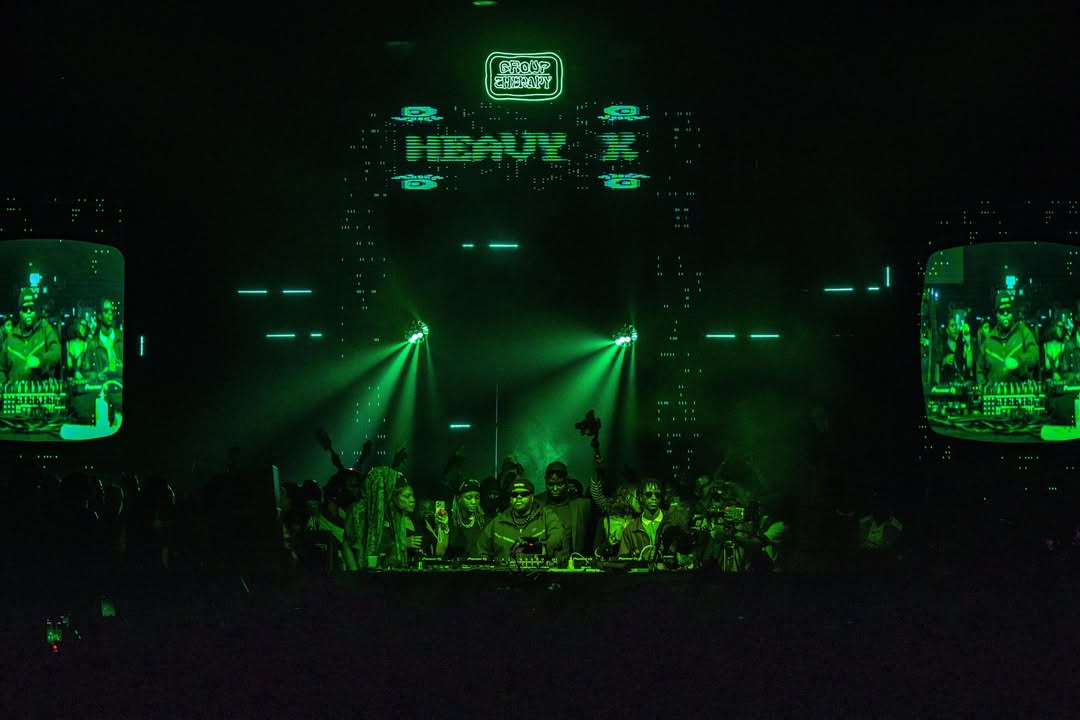
What people often fail to consider whenever conversations around commercialization and rave culture come up is the material reality of sustaining community. It is easy to romanticise underground culture as something that should remain untouched by money, untouched by compromise and untouched by spectacle, but the truth is that communities, especially communities built around care, intention and consistency cost money to sustain. In Nigeria, they cost even more. GROUP THERAPY is an independently run community event that occasionally receives sponsorship for some editions, but for the most part the team bears the full weight of production themselves. And if you have ever attended any edition of GROUP THERAPY, one thing that immediately stands out is how fiercely intentional they are about experience and spatial design. From transforming abandoned warehouses, derelict office complexes and wide open spaces into immersive, breathing dance floors, to curating lineups so tasteful they feel almost editorial, to the precision of the lighting setups, the warmth of the sound engineering and the quietly gracious hospitality that their welfare team continues to refine — GROUP THERAPY has consistently delivered one of the most thoughtful rave experiences in the country. You feel it the moment you walk in. The air is just different there. But this burden of excellence that organizers owe themselves and their community can sometimes become an entrapment of its own.
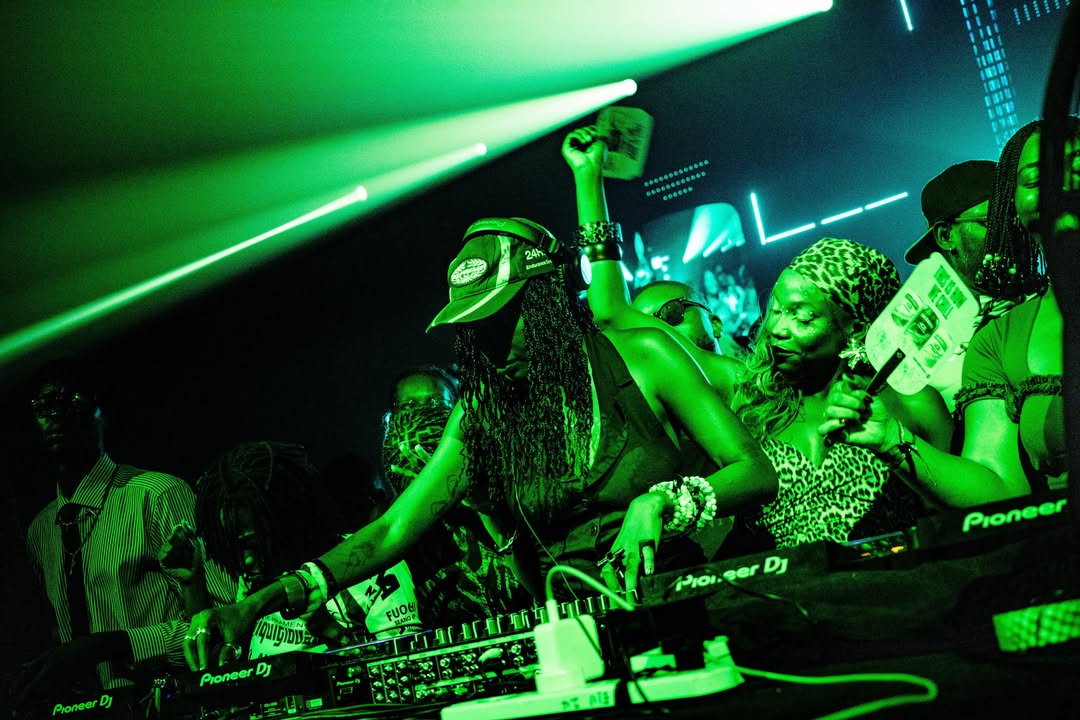
The community has grown accustomed to a certain standard of immersion, safety and quality, and while attendees enjoy the push and pull of an experience that feels almost impossible to replicate elsewhere, the organisers must absorb the financial and emotional weight required to keep that magic alive. In a country like Nigeria, where infrastructure is unreliable and production costs continue to climb without warning, sustaining a rave community at that level is not just expensive, it is mentally exhausting in ways that rarely make it into any post-event conversation. It is also important to mention that because the community was founded on the principle of PLUR — Peace, Love, Unity and Respect — the organiswers have to remain deliberate about the brands, partners and institutions they associate with. They cannot simply accept funding from whoever is willing to write a cheque, because every collaboration must speak to the identity and values of the community itself. Nigeria is not exactly the most forgiving place to organize anything, talk less of building a rave culture community that seeks to hold space for people regardless of race, tribe, sexuality, gender and class. A conservative property owner might refuse to rent out the ideal venue or quietly discontinue future partnerships because they disapprove of the culture surrounding the event. Hence, finding the right location, the right security structure and the right support system often comes at a premium that the average attendee never has to think about, because by the time they arrive, all of that invisible labor has already been done.
Yet audiences continue to demand more.
What people often fail to consider whenever conversations around commercialization and rave culture come up is the material reality of sustaining community. It is easy to romanticise underground culture as something that should remain untouched by money, untouched by compromise and untouched by spectacle, but the truth is that communities, especially communities built around care, intention and consistency cost money to sustain. In Nigeria, they cost even more. GROUP THERAPY is an independently run community event that occasionally receives sponsorship for some editions, but for the most part the team bears the full weight of production themselves. And if you have ever attended any edition of GROUP THERAPY, one thing that immediately stands out is how fiercely intentional they are about experience and spatial design. From transforming abandoned warehouses, derelict office complexes and wide open spaces into immersive, breathing dance floors, to curating lineups so tasteful they feel almost editorial, to the precision of the lighting setups, the warmth of the sound engineering and the quietly gracious hospitality that their welfare team continues to refine — GROUP THERAPY has consistently delivered one of the most thoughtful rave experiences in the country. You feel it the moment you walk in. The air is just different there. But this burden of excellence that organizers owe themselves and their community can sometimes become an entrapment of its own.
The community has grown accustomed to a certain standard of immersion, safety and quality, and while attendees enjoy the push and pull of an experience that feels almost impossible to replicate elsewhere, the organisers must absorb the financial and emotional weight required to keep that magic alive. In a country like Nigeria, where infrastructure is unreliable and production costs continue to climb without warning, sustaining a rave community at that level is not just expensive, it is mentally exhausting in ways that rarely make it into any post-event conversation. It is also important to mention that because the community was founded on the principle of PLUR — Peace, Love, Unity and Respect — the organiswers have to remain deliberate about the brands, partners and institutions they associate with. They cannot simply accept funding from whoever is willing to write a cheque, because every collaboration must speak to the identity and values of the community itself. Nigeria is not exactly the most forgiving place to organize anything, talk less of building a rave culture community that seeks to hold space for people regardless of race, tribe, sexuality, gender and class. A conservative property owner might refuse to rent out the ideal venue or quietly discontinue future partnerships because they disapprove of the culture surrounding the event. Hence, finding the right location, the right security structure and the right support system often comes at a premium that the average attendee never has to think about, because by the time they arrive, all of that invisible labor has already been done.
Yet audiences continue to demand more.
What people often fail to consider whenever conversations around commercialization and rave culture come up is the material reality of sustaining community. It is easy to romanticise underground culture as something that should remain untouched by money, untouched by compromise and untouched by spectacle, but the truth is that communities, especially communities built around care, intention and consistency cost money to sustain. In Nigeria, they cost even more. GROUP THERAPY is an independently run community event that occasionally receives sponsorship for some editions, but for the most part the team bears the full weight of production themselves. And if you have ever attended any edition of GROUP THERAPY, one thing that immediately stands out is how fiercely intentional they are about experience and spatial design. From transforming abandoned warehouses, derelict office complexes and wide open spaces into immersive, breathing dance floors, to curating lineups so tasteful they feel almost editorial, to the precision of the lighting setups, the warmth of the sound engineering and the quietly gracious hospitality that their welfare team continues to refine — GROUP THERAPY has consistently delivered one of the most thoughtful rave experiences in the country. You feel it the moment you walk in. The air is just different there. But this burden of excellence that organizers owe themselves and their community can sometimes become an entrapment of its own.
The community has grown accustomed to a certain standard of immersion, safety and quality, and while attendees enjoy the push and pull of an experience that feels almost impossible to replicate elsewhere, the organisers must absorb the financial and emotional weight required to keep that magic alive. In a country like Nigeria, where infrastructure is unreliable and production costs continue to climb without warning, sustaining a rave community at that level is not just expensive, it is mentally exhausting in ways that rarely make it into any post-event conversation. It is also important to mention that because the community was founded on the principle of PLUR — Peace, Love, Unity and Respect — the organiswers have to remain deliberate about the brands, partners and institutions they associate with. They cannot simply accept funding from whoever is willing to write a cheque, because every collaboration must speak to the identity and values of the community itself. Nigeria is not exactly the most forgiving place to organize anything, talk less of building a rave culture community that seeks to hold space for people regardless of race, tribe, sexuality, gender and class. A conservative property owner might refuse to rent out the ideal venue or quietly discontinue future partnerships because they disapprove of the culture surrounding the event. Hence, finding the right location, the right security structure and the right support system often comes at a premium that the average attendee never has to think about, because by the time they arrive, all of that invisible labor has already been done.
Yet audiences continue to demand more.
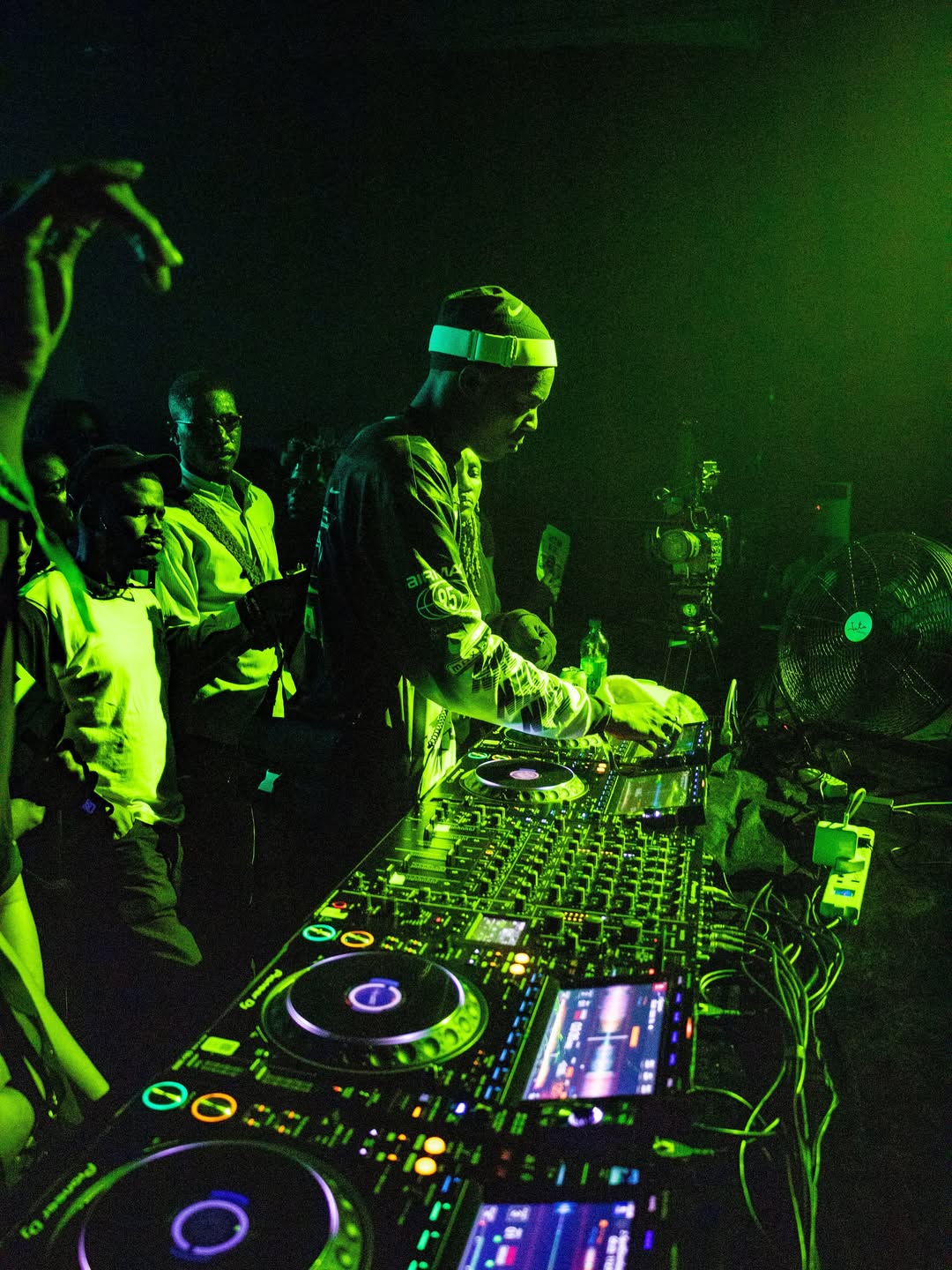
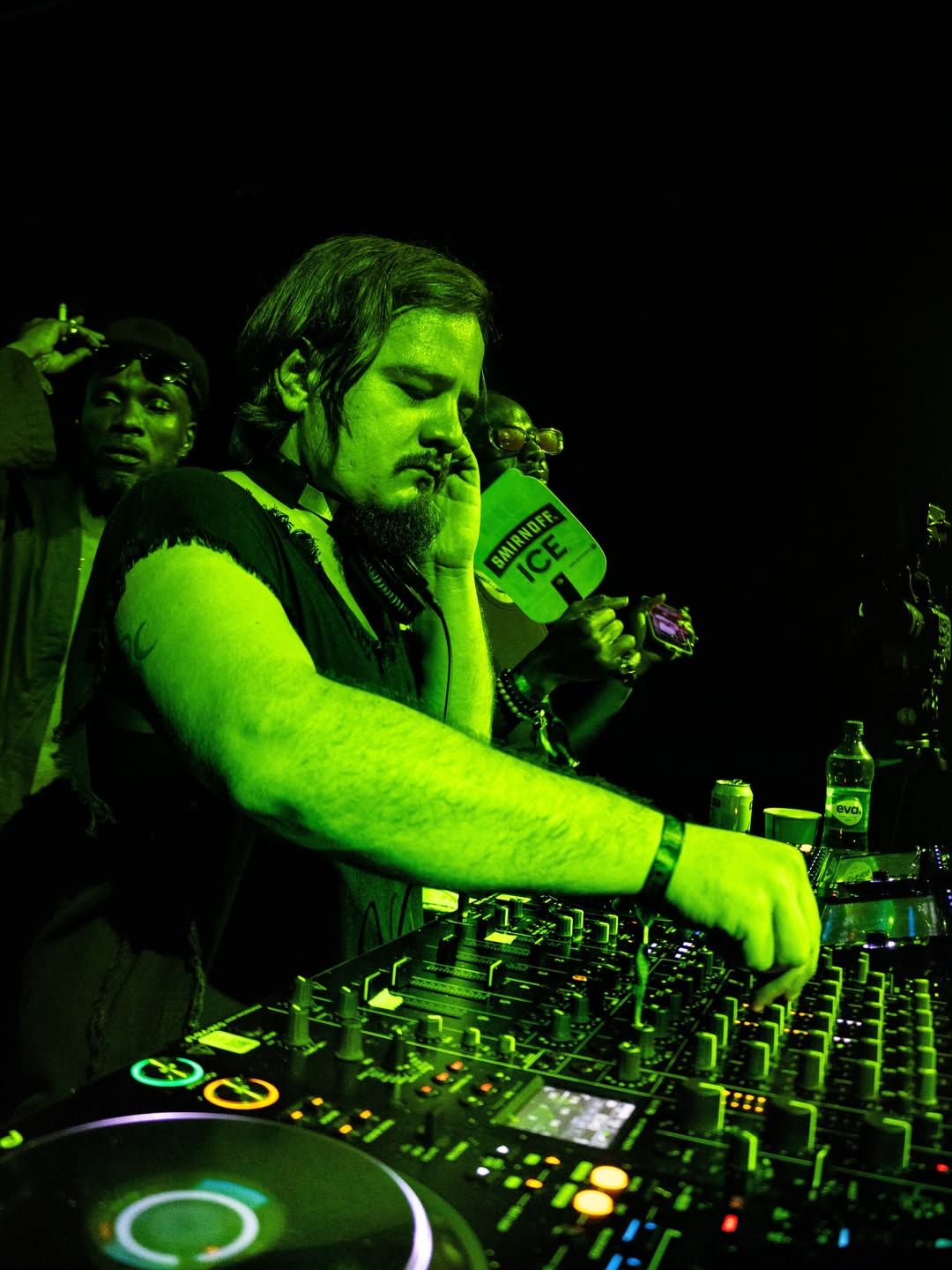
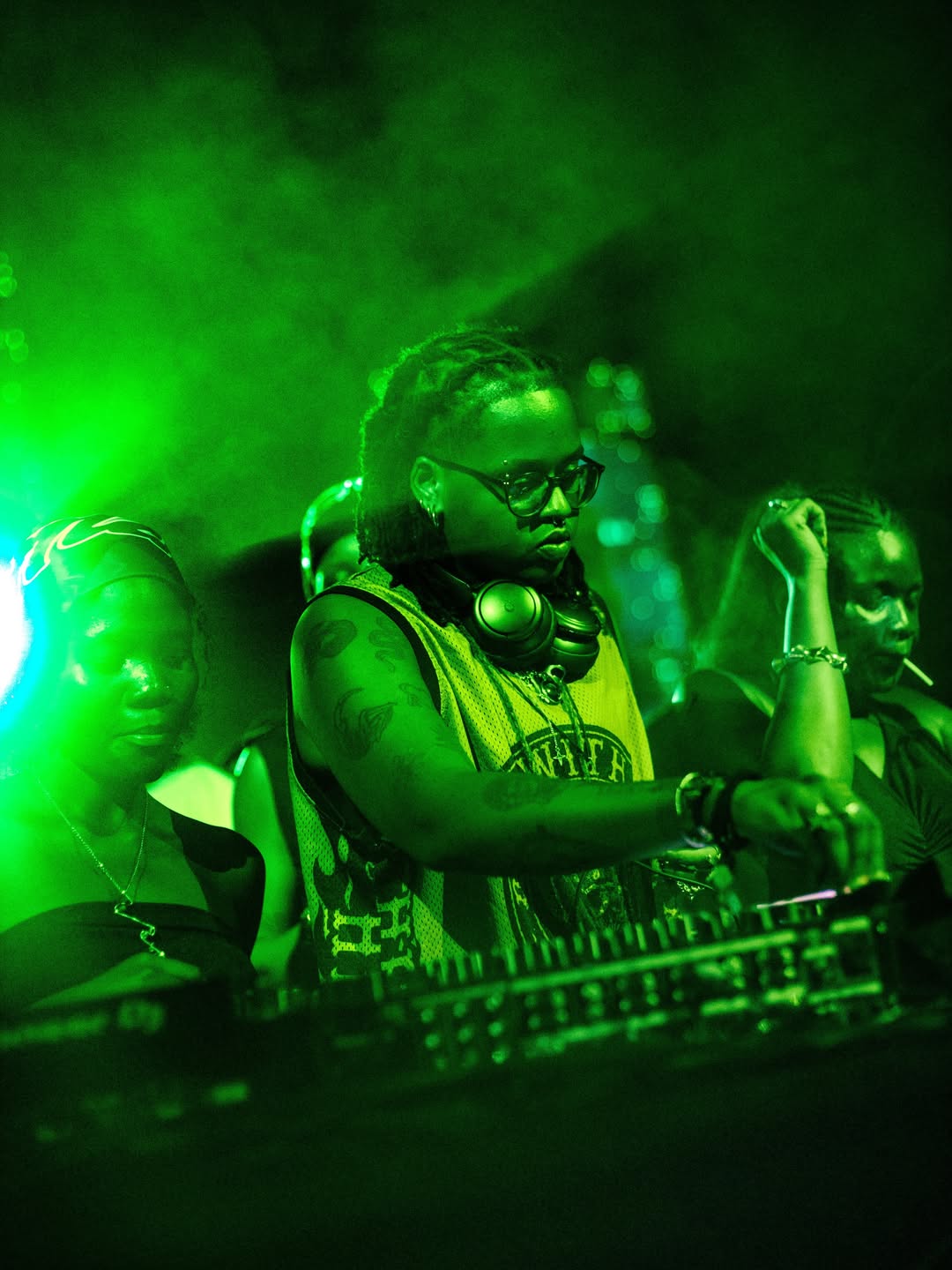
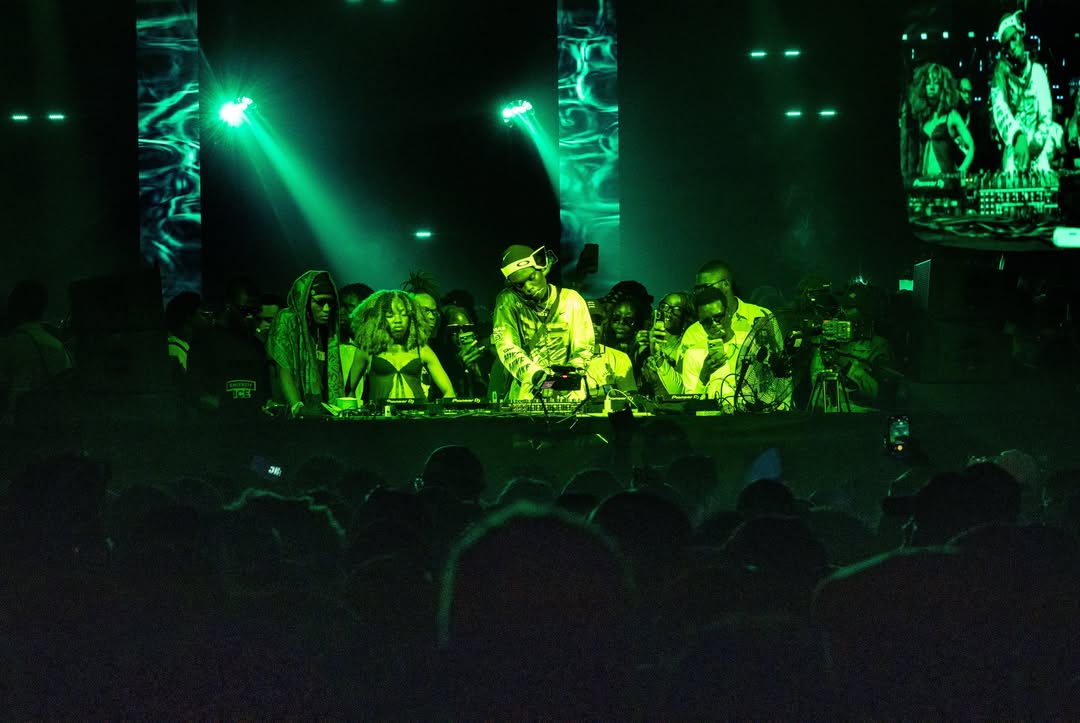
With the rising cost of living and the worsening economic realities that have come to define everyday life in Nigeria, one cannot help but notice how quietly extraordinary it is that GROUP THERAPY continues to bring in the international DJs they manage to pull. The logistics alone required to host some of these artists are enough to finance entire local productions. Flights, accommodation, technical riders, hospitality demands and venue adjustments all accumulate into staggering costs that many attendees remain insulated from, because all they ultimately encounter is the final spectacle, the dark room, the green lights, the sound, the release.
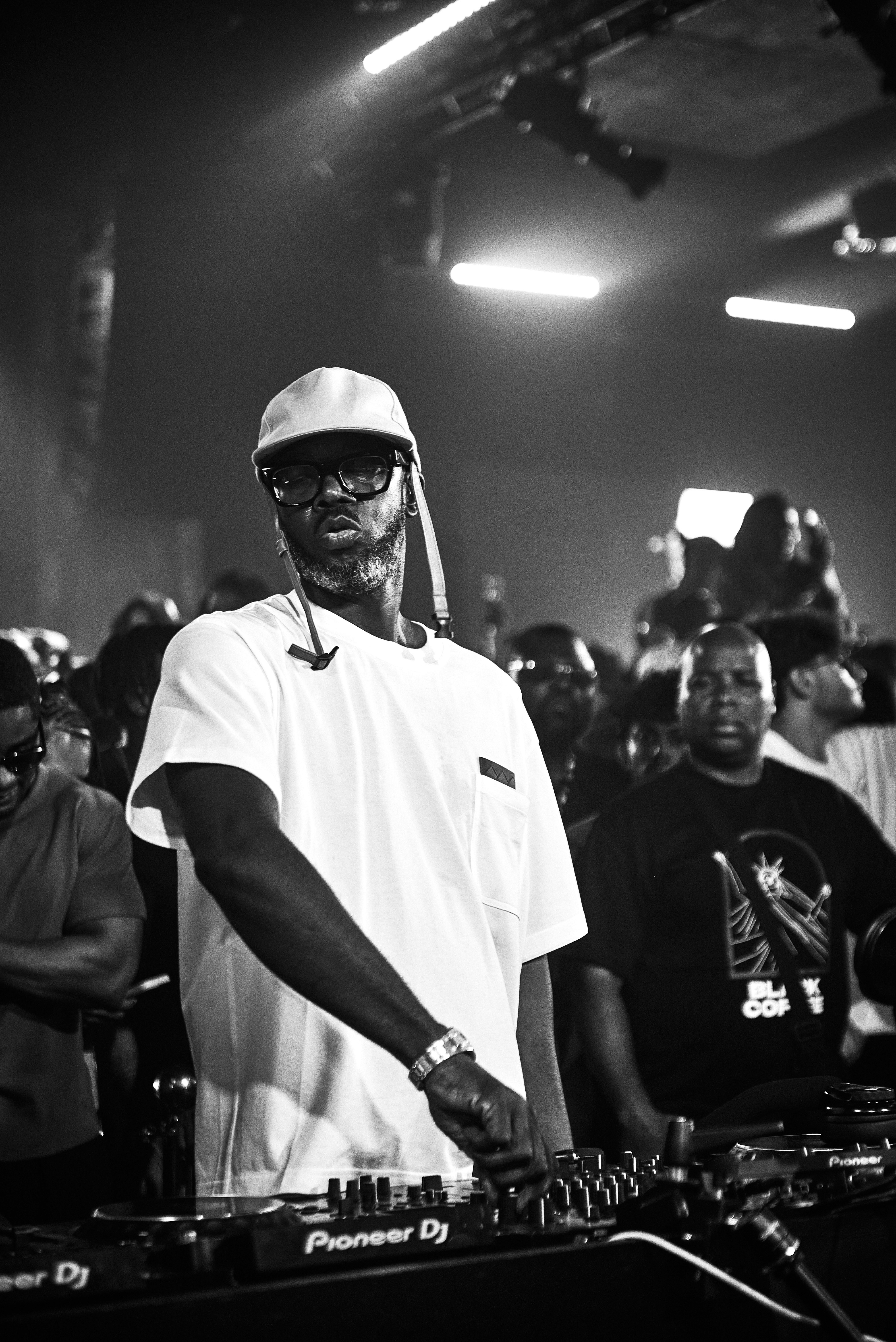
Unfortunately, spectacle itself has become central to modern rave culture. In the past, ravers did not necessarily care about who the DJ was or where they came from. The rave was primarily about movement, atmosphere and the ecstatic, almost sacred experience of collective dance. But rave culture has evolved alongside the internet and mainstream visibility, and with that evolution has come the rise of the DJ as celebrity figure, as someone whose presence alone can shift the energy of a room before they even touch the decks. People now look forward to their favourite DJs the way audiences once reserved their anticipation for concert headliners. The identity of the DJ has become inseparable from the experience of the rave itself.
GROUP THERAPY has played a significant role in this evolution locally. The platform has consistently championed local DJs while simultaneously opening doors to international audiences and conversations. In April 2026,
GROUP THERAPY arrived in Nairobi with a stacked lineup that included Funky QLA, Aniko, Foozak, SHI (KE), WeAreAllChemicals, Ghedi, Sounds of Ace, Lemi and Dylan-S. Lagos itself, thanks to GROUP THERAPY, has hosted sets from internationally recognized DJs like Dlala Thukzin, Oscar Mbo, J-Gadget, Jazzworx and Thukuthela among others. These moments have not just been performances, they have expanded the imagination of what rave culture in Nigeria can look and feel like.
But audiences cannot continue to desire world-class experiences while absolving themselves of the economic realities required to sustain them.
The organisers do not have the luxury of that absolution. They are constantly tasked with finding creative, sometimes uncomfortable ways to keep the culture alive and protect the magic that people have now grown deeply attached to. And if one of those ways comes in the form of stage access passes, then perhaps that is a compromise the community must learn to negotiate with rather than reflexively condemn, if people are willing to pay for proximity to their favorite DJs and the thrill of stage access, then let them. But those of us in the crowd must also resist allowing that spectacle to quietly redefine the purpose of the rave itself, because electronic music is, first and foremost, dance music. The loud pulsating bass, the repetitive rhythms and the enveloping atmosphere exist to move bodies collectively, to dissolve the self into something larger and shared.
With the rising cost of living and the worsening economic realities that have come to define everyday life in Nigeria, one cannot help but notice how quietly extraordinary it is that GROUP THERAPY continues to bring in the international DJs they manage to pull. The logistics alone required to host some of these artists are enough to finance entire local productions. Flights, accommodation, technical riders, hospitality demands and venue adjustments all accumulate into staggering costs that many attendees remain insulated from, because all they ultimately encounter is the final spectacle, the dark room, the green lights, the sound, the release.
Unfortunately, spectacle itself has become central to modern rave culture. In the past, ravers did not necessarily care about who the DJ was or where they came from. The rave was primarily about movement, atmosphere and the ecstatic, almost sacred experience of collective dance. But rave culture has evolved alongside the internet and mainstream visibility, and with that evolution has come the rise of the DJ as celebrity figure, as someone whose presence alone can shift the energy of a room before they even touch the decks. People now look forward to their favourite DJs the way audiences once reserved their anticipation for concert headliners. The identity of the DJ has become inseparable from the experience of the rave itself.
GROUP THERAPY has played a significant role in this evolution locally. The platform has consistently championed local DJs while simultaneously opening doors to international audiences and conversations. In April 2026,
GROUP THERAPY arrived in Nairobi with a stacked lineup that included Funky QLA, Aniko, Foozak, SHI (KE), WeAreAllChemicals, Ghedi, Sounds of Ace, Lemi and Dylan-S. Lagos itself, thanks to GROUP THERAPY, has hosted sets from internationally recognized DJs like Dlala Thukzin, Oscar Mbo, J-Gadget, Jazzworx and Thukuthela among others. These moments have not just been performances, they have expanded the imagination of what rave culture in Nigeria can look and feel like.
But audiences cannot continue to desire world-class experiences while absolving themselves of the economic realities required to sustain them.
The organisers do not have the luxury of that absolution. They are constantly tasked with finding creative, sometimes uncomfortable ways to keep the culture alive and protect the magic that people have now grown deeply attached to. And if one of those ways comes in the form of stage access passes, then perhaps that is a compromise the community must learn to negotiate with rather than reflexively condemn, if people are willing to pay for proximity to their favorite DJs and the thrill of stage access, then let them. But those of us in the crowd must also resist allowing that spectacle to quietly redefine the purpose of the rave itself, because electronic music is, first and foremost, dance music. The loud pulsating bass, the repetitive rhythms and the enveloping atmosphere exist to move bodies collectively, to dissolve the self into something larger and shared.
You mentioned the Ubuntu philosophy earlier — how did that shape the name “Sons of Ubuntu” and your approach to what you do?
With the rising cost of living and the worsening economic realities that have come to define everyday life in Nigeria, one cannot help but notice how quietly extraordinary it is that GROUP THERAPY continues to bring in the international DJs they manage to pull. The logistics alone required to host some of these artists are enough to finance entire local productions. Flights, accommodation, technical riders, hospitality demands and venue adjustments all accumulate into staggering costs that many attendees remain insulated from, because all they ultimately encounter is the final spectacle, the dark room, the green lights, the sound, the release.
Unfortunately, spectacle itself has become central to modern rave culture. In the past, ravers did not necessarily care about who the DJ was or where they came from. The rave was primarily about movement, atmosphere and the ecstatic, almost sacred experience of collective dance. But rave culture has evolved alongside the internet and mainstream visibility, and with that evolution has come the rise of the DJ as celebrity figure, as someone whose presence alone can shift the energy of a room before they even touch the decks. People now look forward to their favourite DJs the way audiences once reserved their anticipation for concert headliners. The identity of the DJ has become inseparable from the experience of the rave itself.
GROUP THERAPY has played a significant role in this evolution locally. The platform has consistently championed local DJs while simultaneously opening doors to international audiences and conversations. In April 2026,
GROUP THERAPY arrived in Nairobi with a stacked lineup that included Funky QLA, Aniko, Foozak, SHI (KE), WeAreAllChemicals, Ghedi, Sounds of Ace, Lemi and Dylan-S. Lagos itself, thanks to GROUP THERAPY, has hosted sets from internationally recognized DJs like Dlala Thukzin, Oscar Mbo, J-Gadget, Jazzworx and Thukuthela among others. These moments have not just been performances, they have expanded the imagination of what rave culture in Nigeria can look and feel like.
But audiences cannot continue to desire world-class experiences while absolving themselves of the economic realities required to sustain them.
The organisers do not have the luxury of that absolution. They are constantly tasked with finding creative, sometimes uncomfortable ways to keep the culture alive and protect the magic that people have now grown deeply attached to. And if one of those ways comes in the form of stage access passes, then perhaps that is a compromise the community must learn to negotiate with rather than reflexively condemn, if people are willing to pay for proximity to their favorite DJs and the thrill of stage access, then let them. But those of us in the crowd must also resist allowing that spectacle to quietly redefine the purpose of the rave itself, because electronic music is, first and foremost, dance music. The loud pulsating bass, the repetitive rhythms and the enveloping atmosphere exist to move bodies collectively, to dissolve the self into something larger and shared.
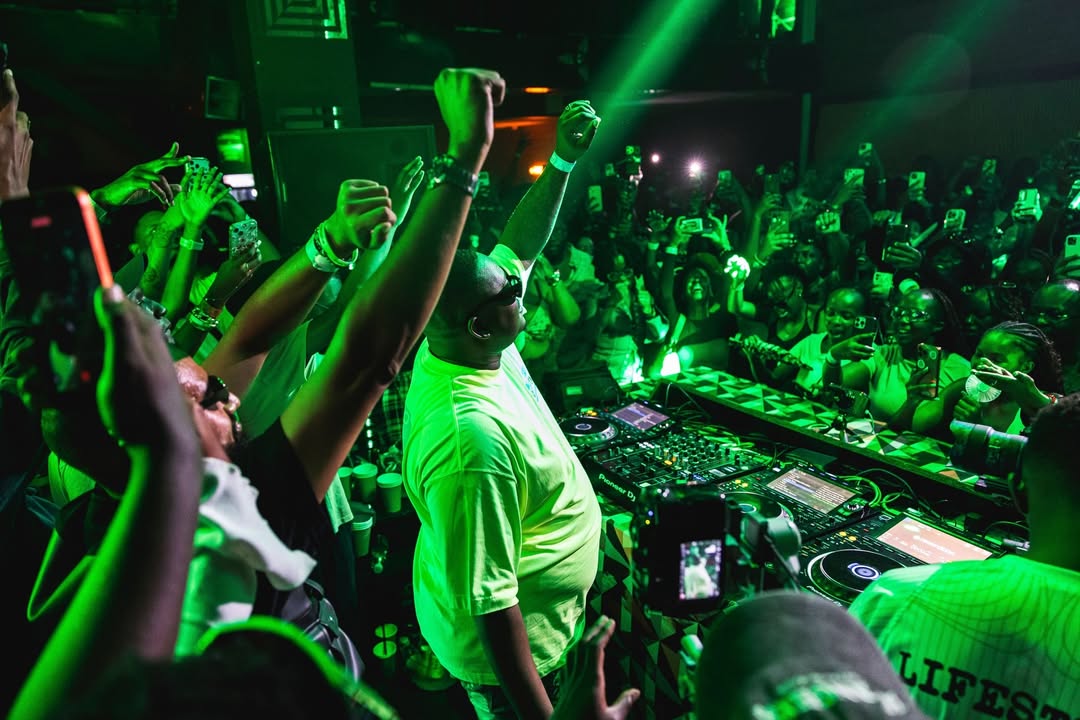
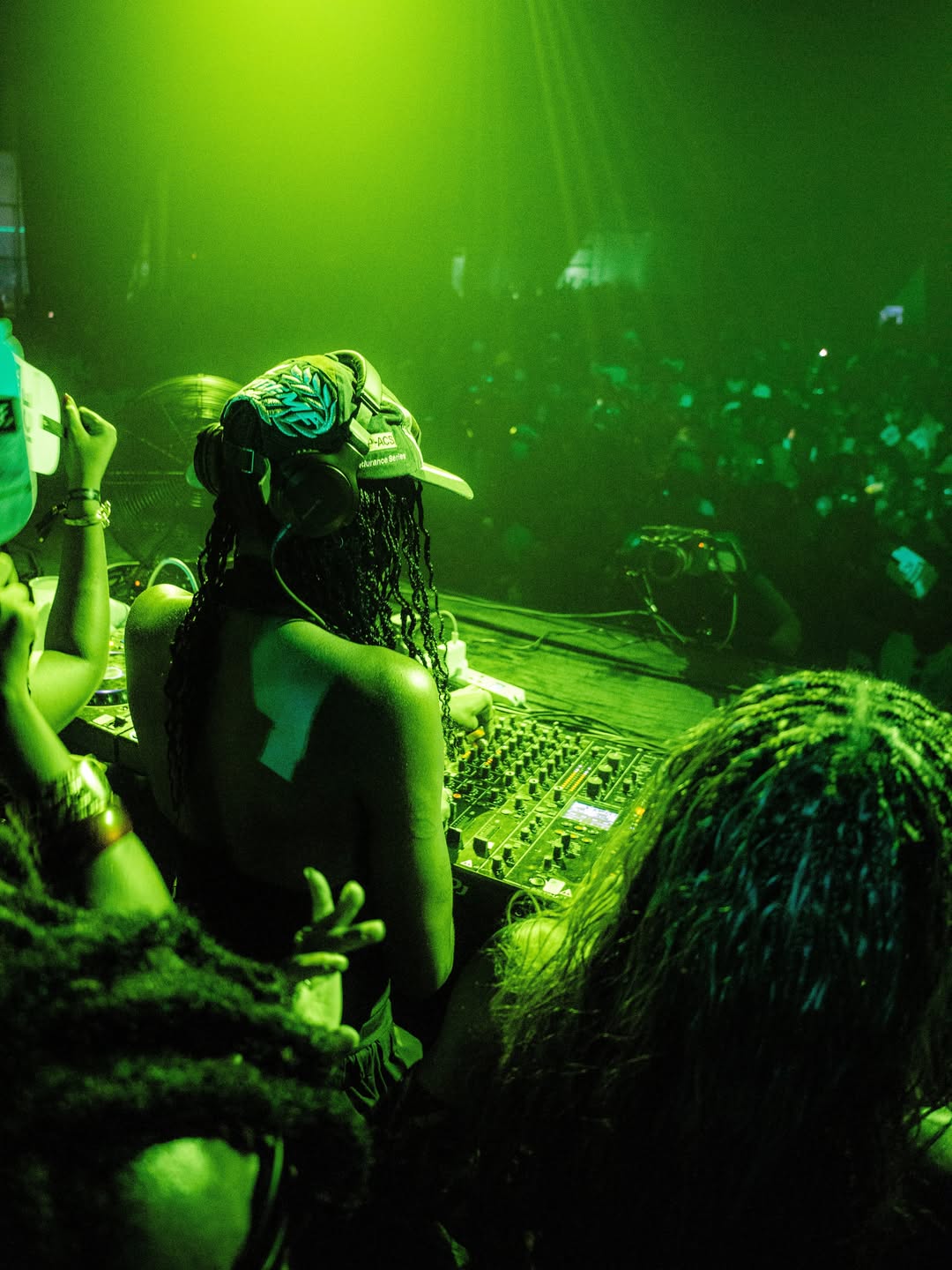
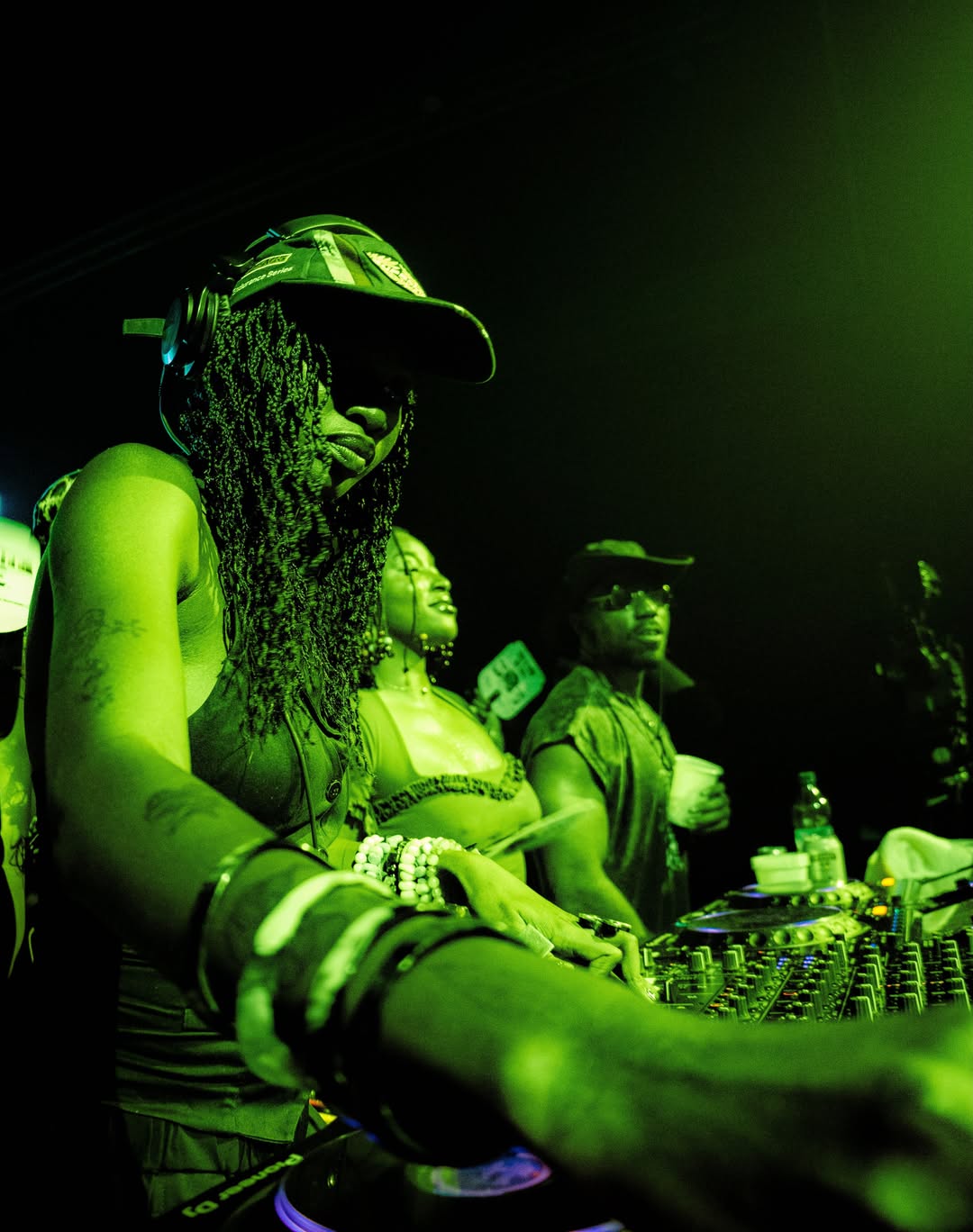
And if we are being completely honest, the discourse around stage access is becoming somewhat exhausting because, in many ways, it is inconsequential to the actual experience of the rave itself. The stage access tickets merely gave form to a desire that already materialised or they would not have sold out almost immediately after release. The more important conversation should perhaps be about responsibility and reciprocity, what it means to be in community with one another, not just as attendees, but as people who benefit from something someone else is bleeding to build. What responsibilities do organizers owe their community? How do they protect the interests of the people who trust them with culture and with space? And in return, what do members of that community owe the people sacrificing their time, finances and emotional labor to keep the culture breathing?
Aniko has repeatedly stated that GROUP THERAPY was founded on the principle of PLUR. That means the organizers owe their community consistency, care and a continued commitment to protecting the values that made the space meaningful in the first place. The community, in turn, reserves the right to question and challenge whatever excesses may emerge as the platform grows. That tension is not only healthy. It is necessary and it stands as what keeps a culture honest and alive.
But as long as ravers continue to demand bigger experiences, better production and the thrill of watching their favorite international DJs perform in their city, they must also reckon with the compromises required to sustain those experiences.
The question is no longer whether money should enter the culture because it already has, and it has been here. The real question is whether the culture can continue to protect its soul once monetization has fully settled into the room.
And if we are being completely honest, the discourse around stage access is becoming somewhat exhausting because, in many ways, it is inconsequential to the actual experience of the rave itself. The stage access tickets merely gave form to a desire that already materialised or they would not have sold out almost immediately after release. The more important conversation should perhaps be about responsibility and reciprocity, what it means to be in community with one another, not just as attendees, but as people who benefit from something someone else is bleeding to build. What responsibilities do organizers owe their community? How do they protect the interests of the people who trust them with culture and with space? And in return, what do members of that community owe the people sacrificing their time, finances and emotional labor to keep the culture breathing?
Aniko has repeatedly stated that GROUP THERAPY was founded on the principle of PLUR. That means the organizers owe their community consistency, care and a continued commitment to protecting the values that made the space meaningful in the first place. The community, in turn, reserves the right to question and challenge whatever excesses may emerge as the platform grows. That tension is not only healthy. It is necessary and it stands as what keeps a culture honest and alive.
But as long as ravers continue to demand bigger experiences, better production and the thrill of watching their favorite international DJs perform in their city, they must also reckon with the compromises required to sustain those experiences.
The question is no longer whether money should enter the culture because it already has, and it has been here. The real question is whether the culture can continue to protect its soul once monetization has fully settled into the room.
You mentioned the Ubuntu philosophy earlier — how did that shape the name “Sons of Ubuntu” and your approach to what you do?
And if we are being completely honest, the discourse around stage access is becoming somewhat exhausting because, in many ways, it is inconsequential to the actual experience of the rave itself. The stage access tickets merely gave form to a desire that already materialised or they would not have sold out almost immediately after release. The more important conversation should perhaps be about responsibility and reciprocity, what it means to be in community with one another, not just as attendees, but as people who benefit from something someone else is bleeding to build. What responsibilities do organizers owe their community? How do they protect the interests of the people who trust them with culture and with space? And in return, what do members of that community owe the people sacrificing their time, finances and emotional labor to keep the culture breathing?
Aniko has repeatedly stated that GROUP THERAPY was founded on the principle of PLUR. That means the organizers owe their community consistency, care and a continued commitment to protecting the values that made the space meaningful in the first place. The community, in turn, reserves the right to question and challenge whatever excesses may emerge as the platform grows. That tension is not only healthy. It is necessary and it stands as what keeps a culture honest and alive.
But as long as ravers continue to demand bigger experiences, better production and the thrill of watching their favorite international DJs perform in their city, they must also reckon with the compromises required to sustain those experiences.
The question is no longer whether money should enter the culture because it already has, and it has been here. The real question is whether the culture can continue to protect its soul once monetization has fully settled into the room.

Black Noise Mag
Black Noise Mag
Black Noise Mag