Jan 24, 2025 - New releases

FROM BYLINES TO DANCEFLOORS: WHO IS LELOWHATGOOD?

Jan 24, 2025 - New releases

FROM BYLINES TO DANCEFLOORS: WHO IS LELOWHATGOOD?

Jan 24, 2025 - New releases

FROM BYLINES TO DANCEFLOORS: WHO IS LELOWHATGOOD?

Jan 24, 2025 - New releases

FROM BYLINES TO DANCEFLOORS: WHO IS LELOWHATGOOD?

Jan 24, 2025 - Written by Israel Ajayi

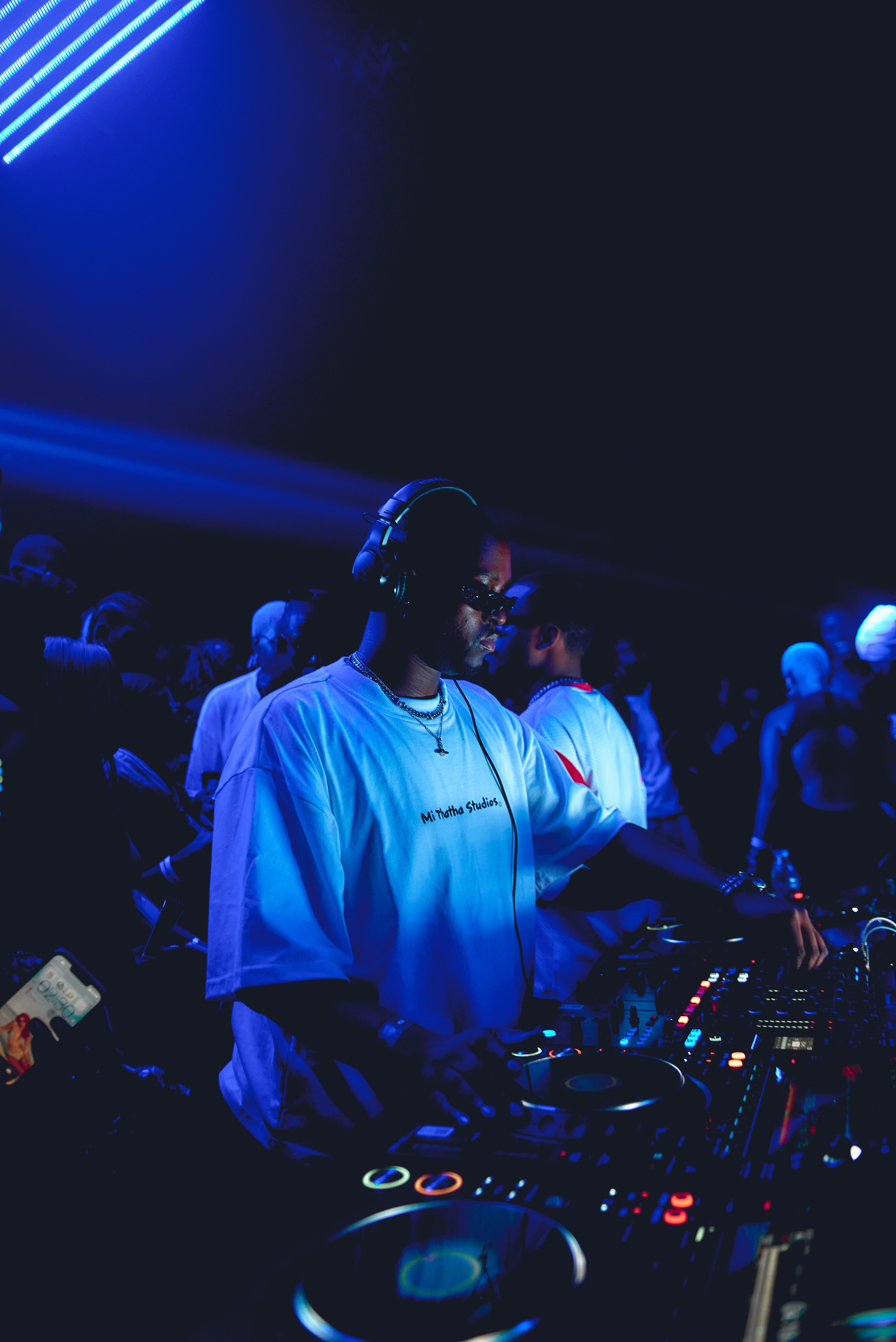
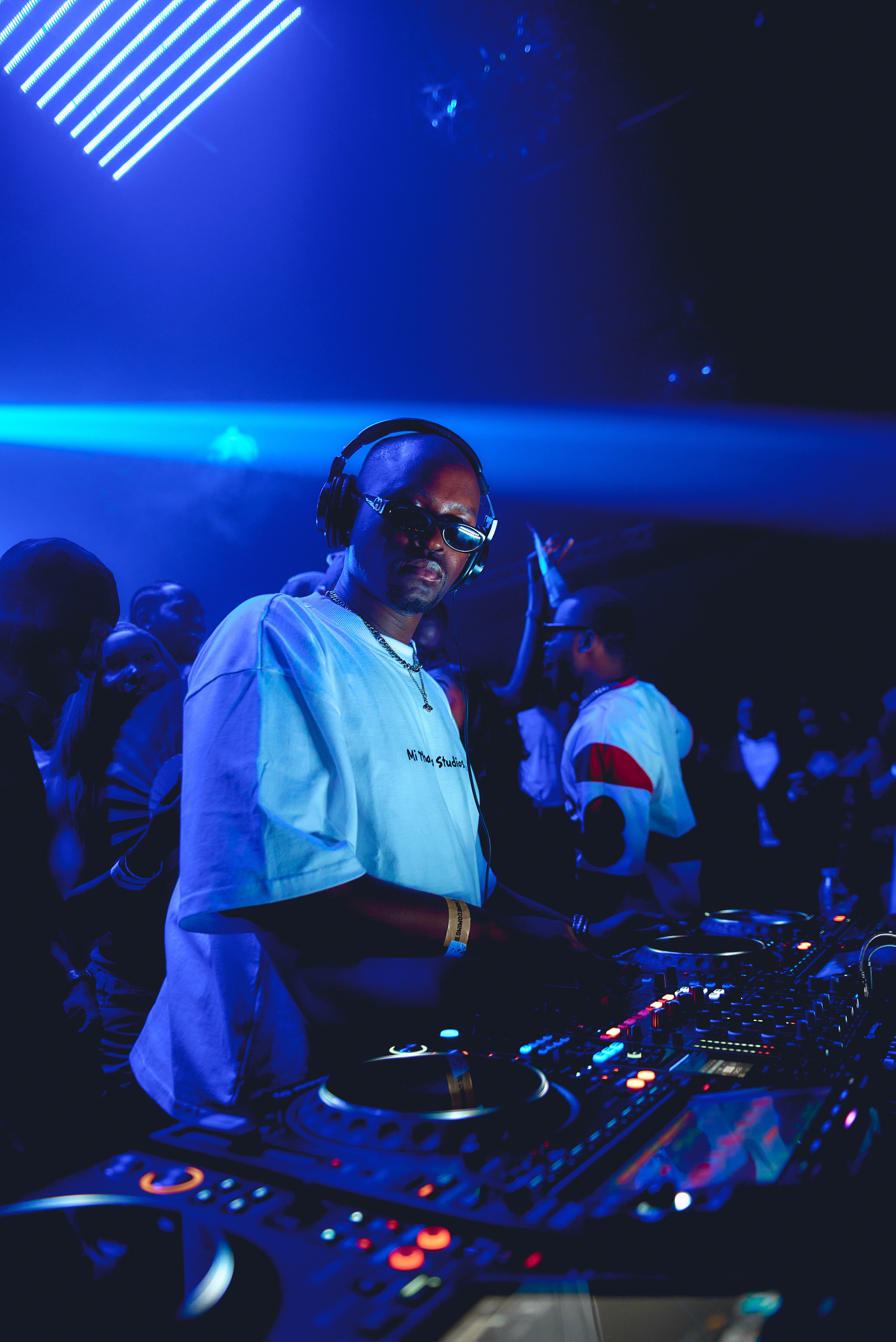
Lelowhatsgood arrived in Lagos as more than just another name on a lineup. When he touched down last weekend for his Homecoming HiFi debut, he carried with him a practice shaped as much by writing as it is by sound, one rooted in Johannesburg’s layered cultural landscape and the queer spaces he’s helped build within it. Before the booth, there were bylines; with work spanning platforms like The New York Times, Mail & Guardian, and HUNGER Magazine shaping how he thinks about music, identity, and the spaces in between. Born between Durban and Joburg, his trajectory has consistently moved across worlds, from editorial to dancefloor, from underground sets to community-led platforms like VNJ Ball, which has become a vital site for queer expression within South Africa’s nightlife ecosystem.


That duality extends into his music. Still early in his recording career, Lelo has already seen his first project earn a South African Music Award nomination, a rare recognition for work that sits closer to the underground than the mainstream. It reads less like a breakthrough moment and more like a signal of intent: an artist committed to pushing sound forward while staying grounded in community and culture.


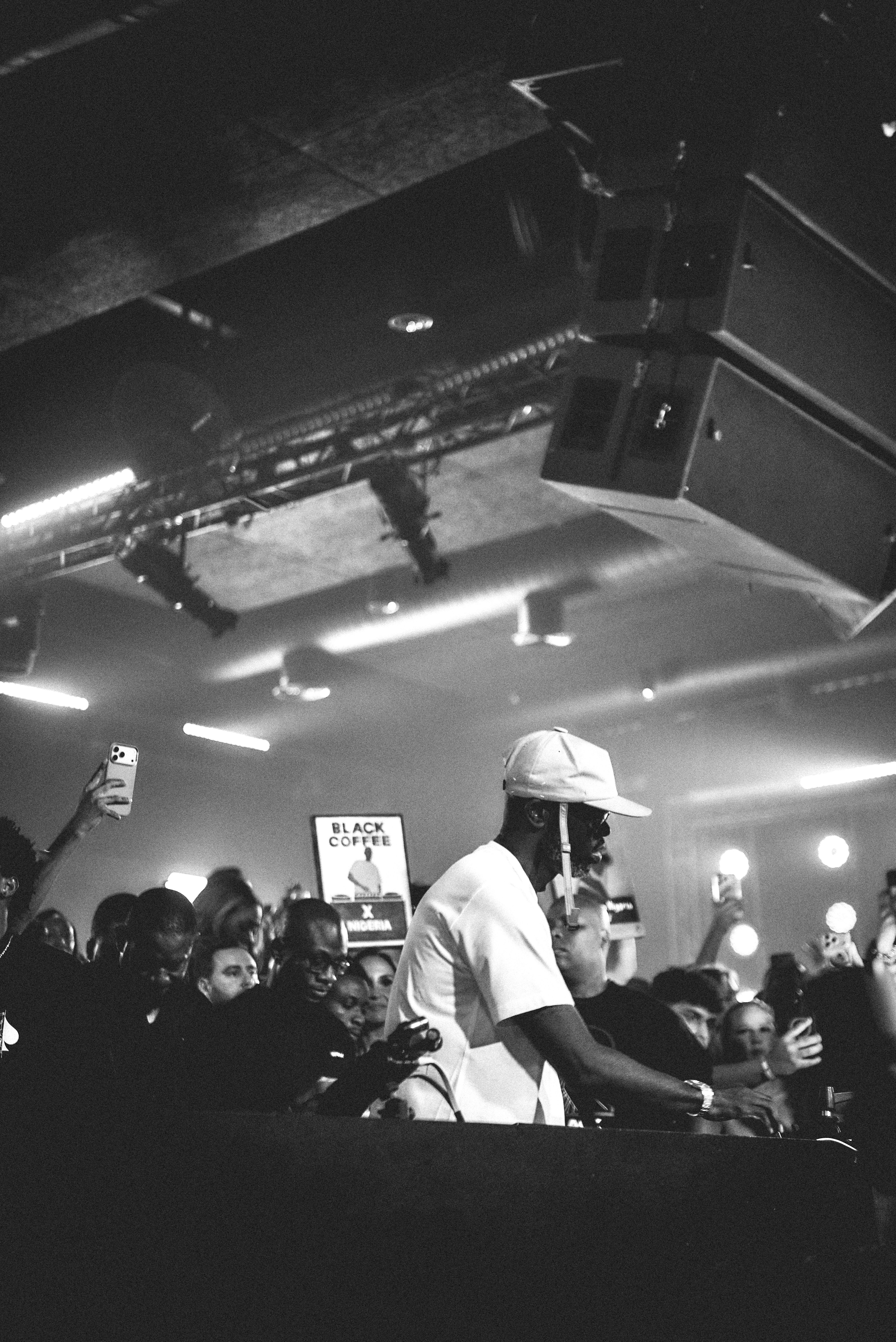
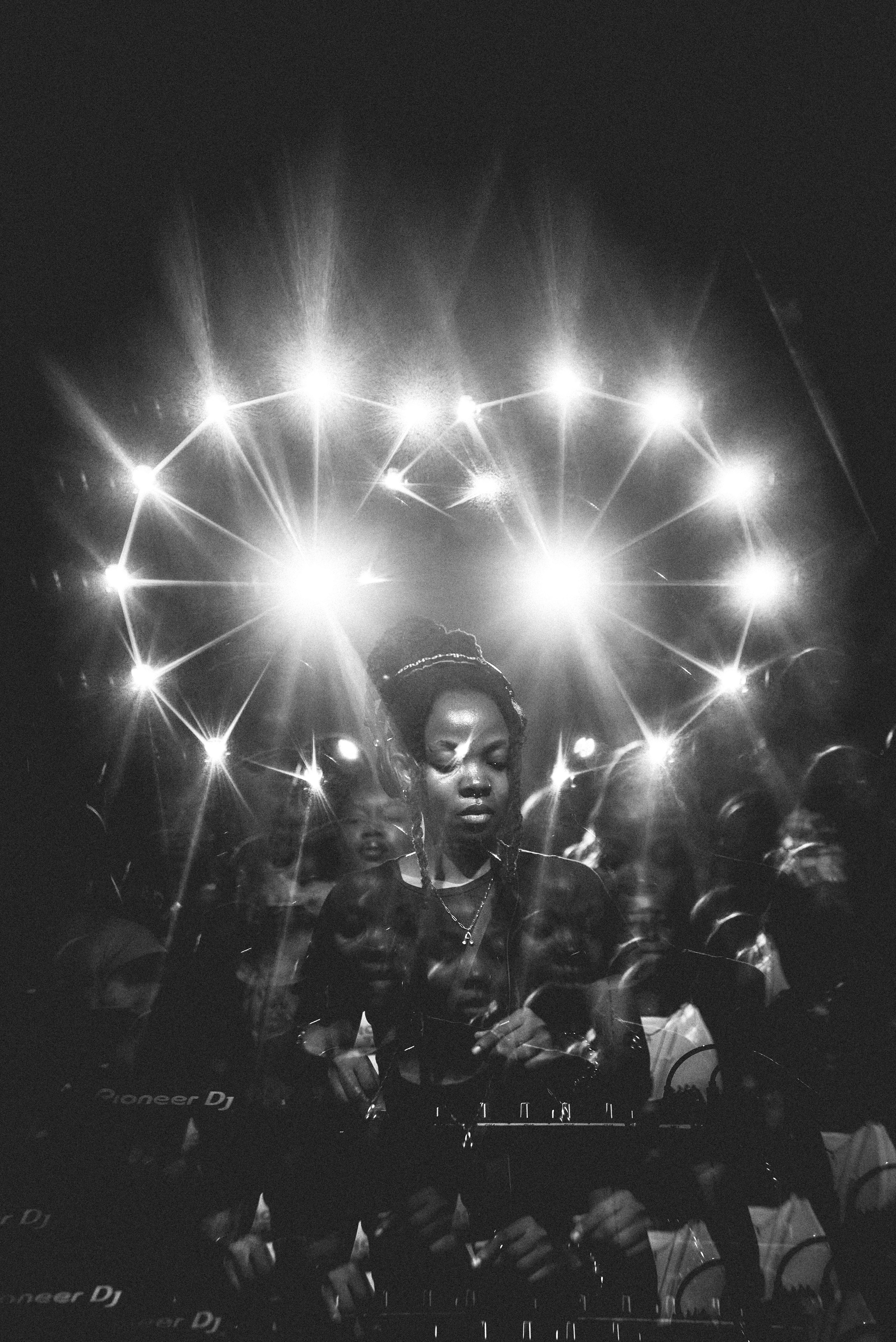
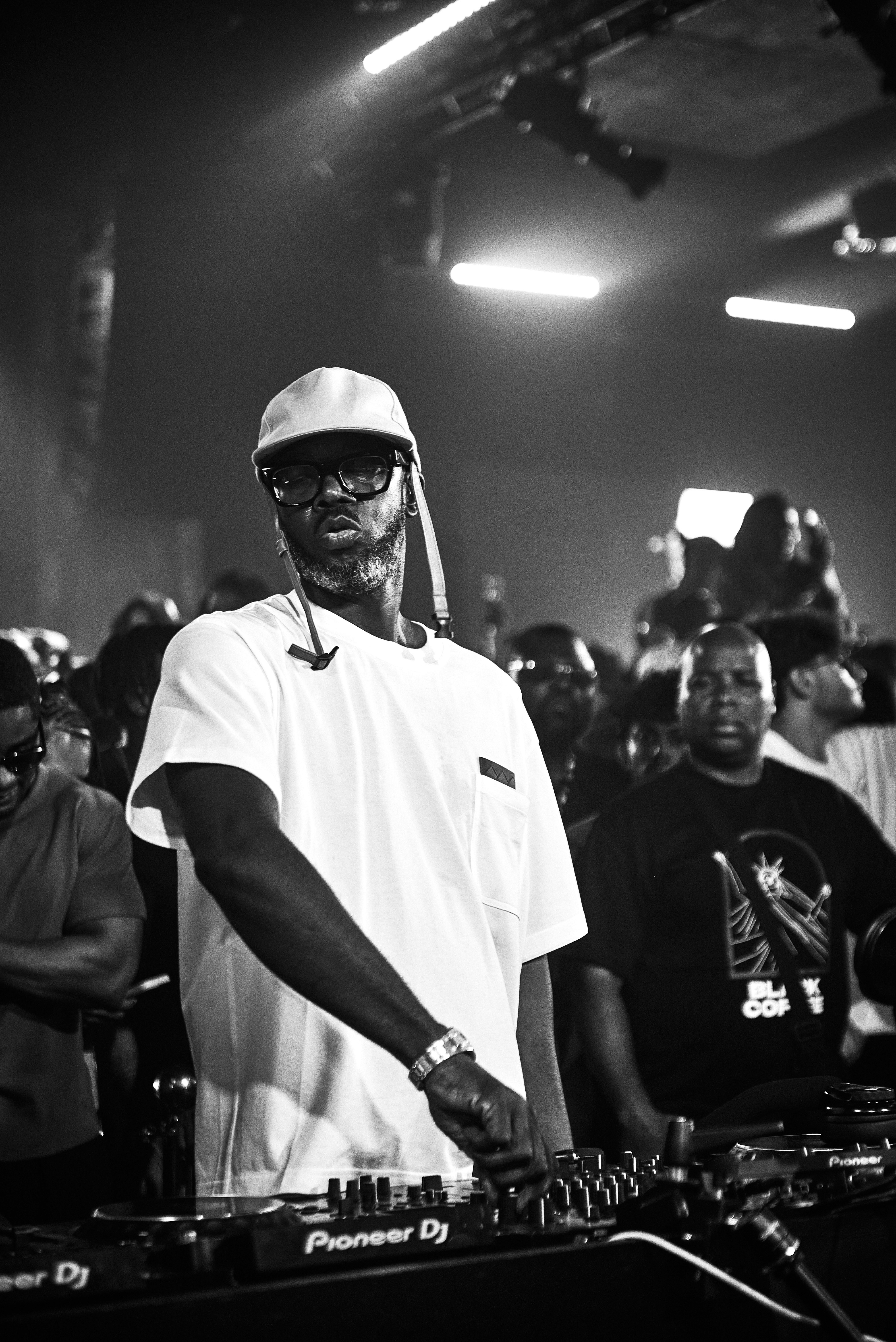
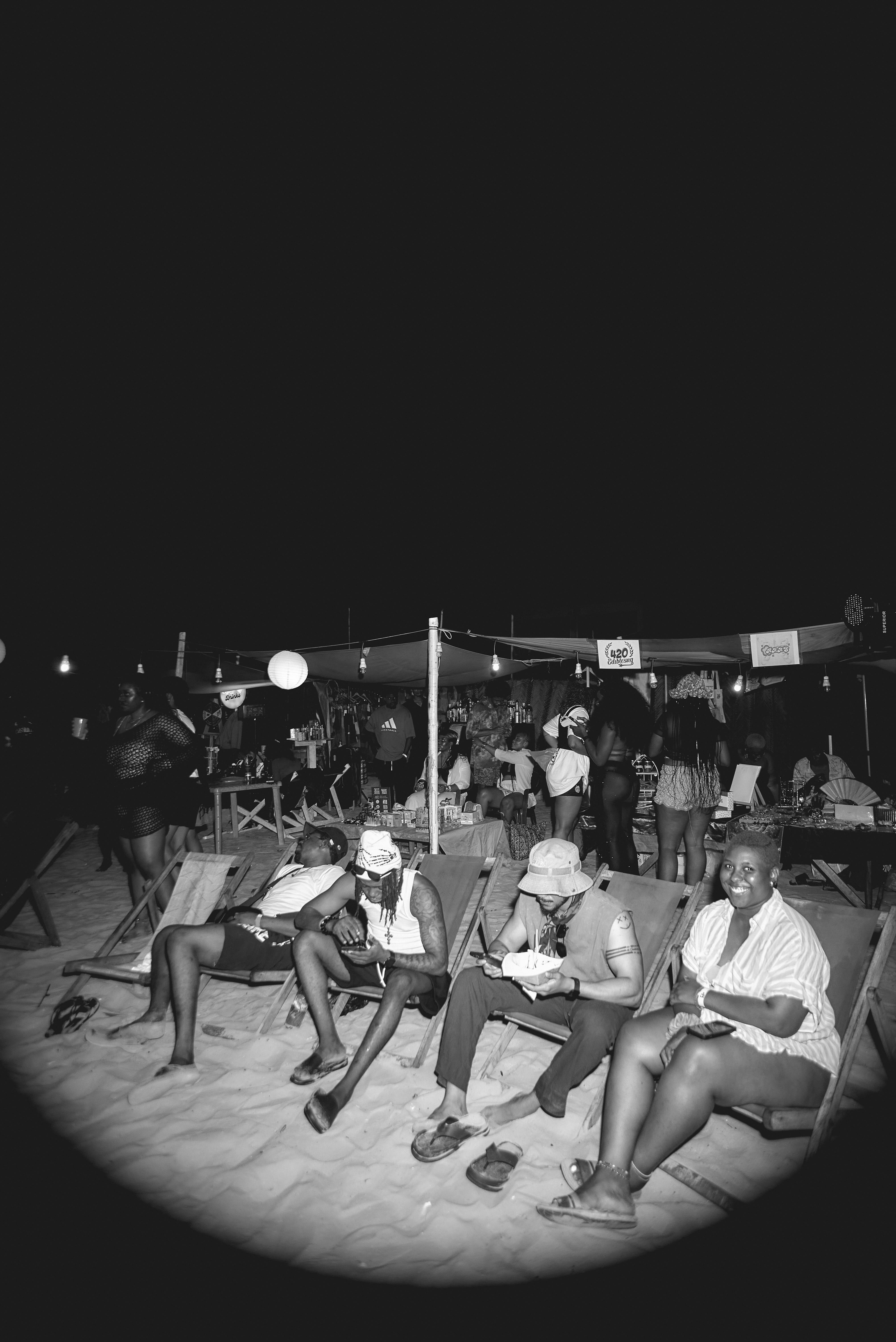
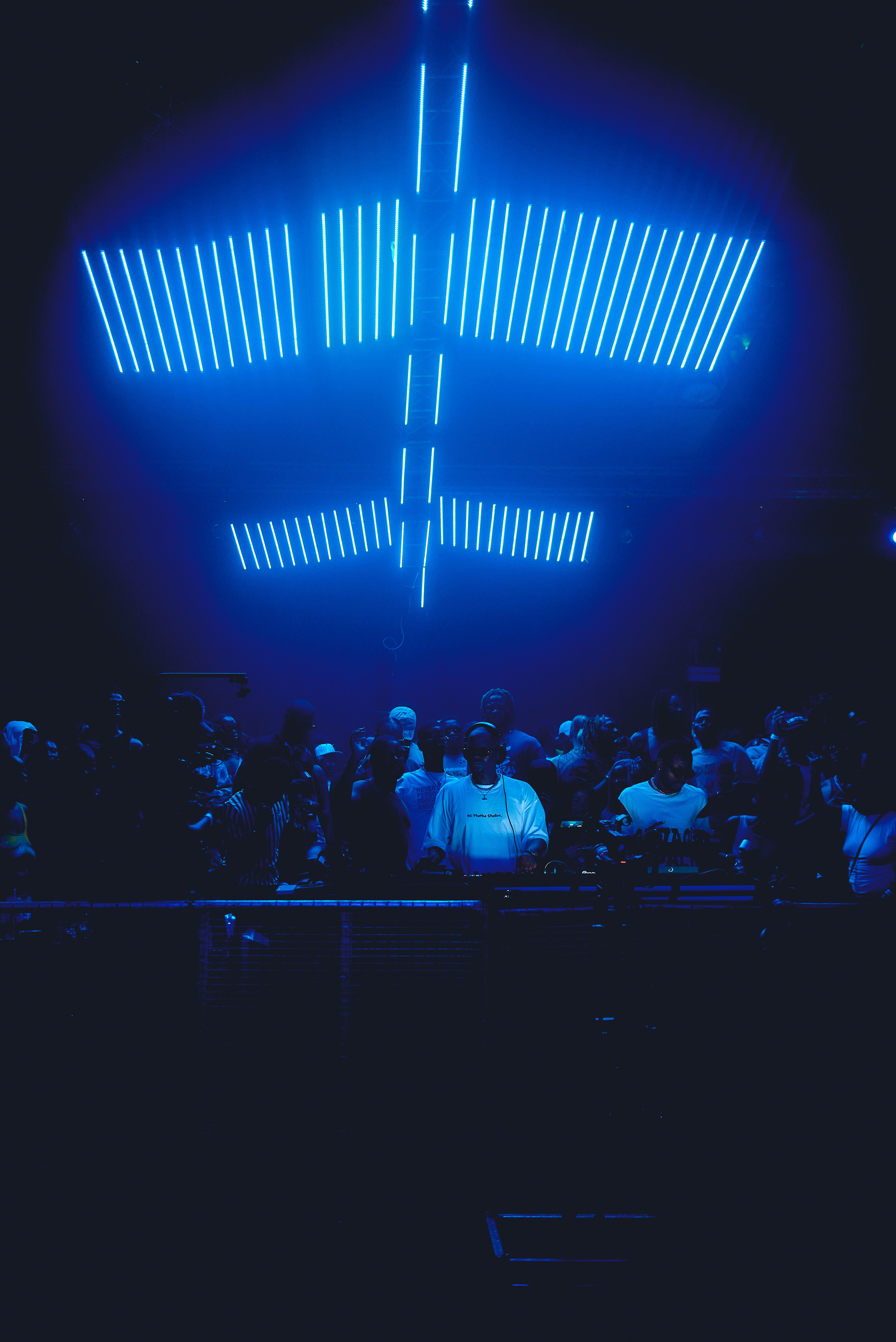
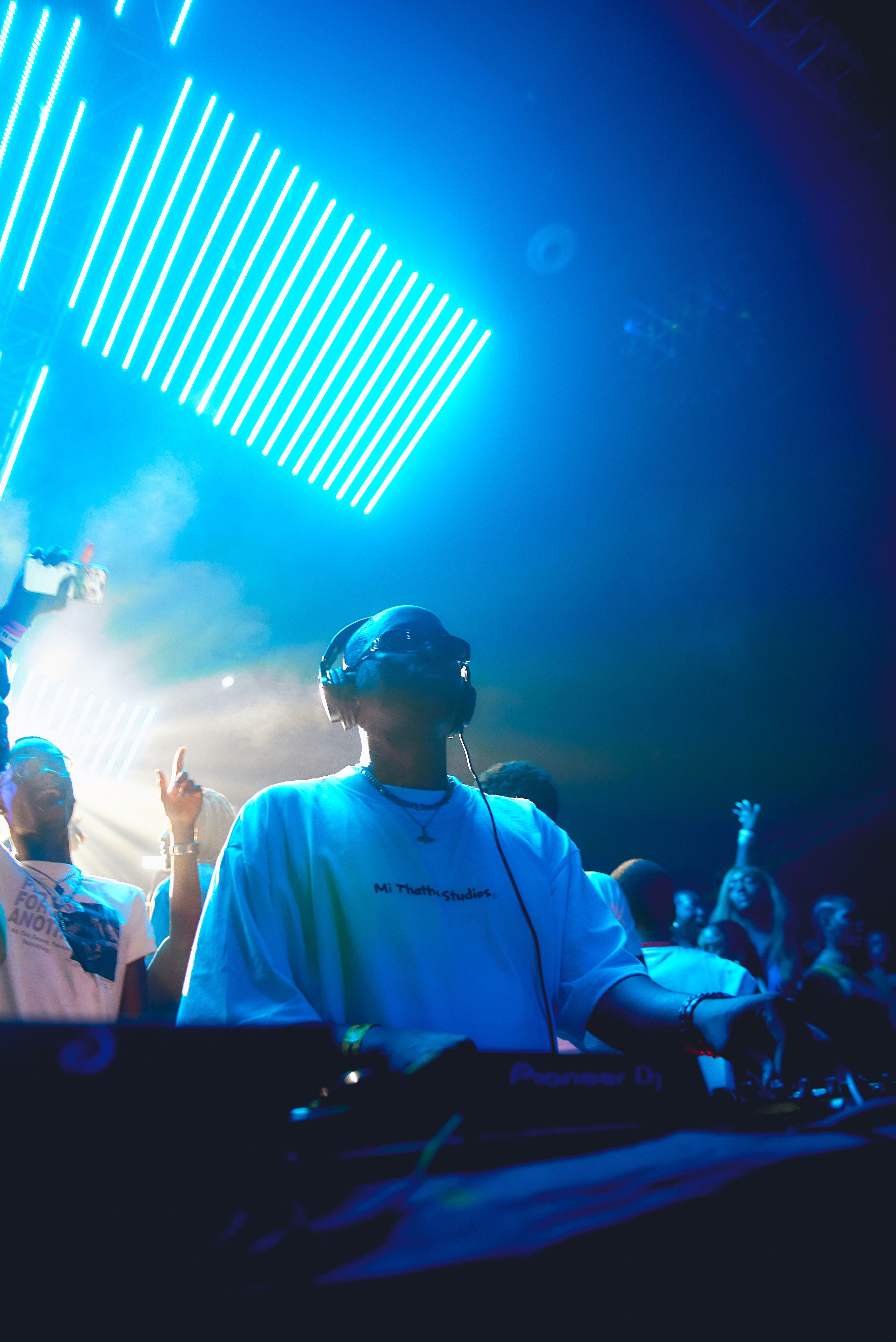
In Lagos, where electronic music is still actively defining itself, his presence landed with a certain clarity. His HiFi set, drawing from gqom, ballroom, and a wider spectrum of Black electronic sound felt less like a guest appearance and more like a point of connection between scenes beginning to recognise each other in real time. What lingers isn’t just the set itself, but the wider context it points to, a practice that moves fluidly between disciplines, and a dancefloor that holds space not just for music, but for identity, expression, and collective release.
Jan 24, 2025 - Written by Israel Ajayi

Lelowhatsgood arrived in Lagos as more than just another name on a lineup. When he touched down last weekend for his Homecoming HiFi debut, he carried with him a practice shaped as much by writing as it is by sound, one rooted in Johannesburg’s layered cultural landscape and the queer spaces he’s helped build within it. Before the booth, there were bylines; with work spanning platforms like The New York Times, Mail & Guardian, and HUNGER Magazine shaping how he thinks about music, identity, and the spaces in between. Born between Durban and Joburg, his trajectory has consistently moved across worlds, from editorial to dancefloor, from underground sets to community-led platforms like VNJ Ball, which has become a vital site for queer expression within South Africa’s nightlife ecosystem.


That duality extends into his music. Still early in his recording career, Lelo has already seen his first project earn a South African Music Award nomination, a rare recognition for work that sits closer to the underground than the mainstream. It reads less like a breakthrough moment and more like a signal of intent: an artist committed to pushing sound forward while staying grounded in community and culture.


In Lagos, where electronic music is still actively defining itself, his presence landed with a certain clarity. His HiFi set, drawing from gqom, ballroom, and a wider spectrum of Black electronic sound felt less like a guest appearance and more like a point of connection between scenes beginning to recognise each other in real time. What lingers isn’t just the set itself, but the wider context it points to, a practice that moves fluidly between disciplines, and a dancefloor that holds space not just for music, but for identity, expression, and collective release.

Lelowhatsgood

You grew up in Johannesburg, how did your environment shape your relationship with music early on, and what were you listening to at the time?

Being born and raised in Johannesburg shaped a lot of my world. Also being raised in Durban as well, I was raised in both cities, so having that inland experience and that coastal experience really shaped how I viewed music and the way that I listen to it.


Because Johannesburg is such a melting pot of different cultures from all over South Africa and Africa as well, you find yourself listening to quite a lot of things that influence genres.


When I was younger, it was a lot more kwaito. There was a lot more African pop music at that time as well. I can quite distinctly remember listening to Lebo Mathosa, and Adilah from Coca-cola Popstars, just quite a lot of different influences at that time.


Being a child of the early 2000s, we were also drawn by what was on TV at the time. I could nod that to American influence within South Africa and the imperialism that was pushed onto us. A lot of MTV, just getting all that global influence as well. I think that definitely informed me about what music is and the different types of genres and styles.

You grew up in Johannesburg, how did your environment shape your relationship with music early on, and what were you listening to at the time?

Being born and raised in Johannesburg shaped a lot of my world. Also being raised in Durban as well, I was raised in both cities, so having that inland experience and that coastal experience really shaped how I viewed music and the way that I listen to it.


Because Johannesburg is such a melting pot of different cultures from all over South Africa and Africa as well, you find yourself listening to quite a lot of things that influence genres.


When I was younger, it was a lot more kwaito. There was a lot more African pop music at that time as well. I can quite distinctly remember listening to Lebo Mathosa, and Adilah from Coca-cola Popstars, just quite a lot of different influences at that time.


Being a child of the early 2000s, we were also drawn by what was on TV at the time. I could nod that to American influence within South Africa and the imperialism that was pushed onto us. A lot of MTV, just getting all that global influence as well. I think that definitely informed me about what music is and the different types of genres and styles.

Before DJing, you were writing. What drew you to writing initially, and how does that way of thinking influence how you approach music today?

My writing journey started in high school. I had really amazing English teachers — English, history, business studies — those were the subjects that drew me into writing because a lot of it was long-form essays. That really strengthened the way that I approach writing.


Reading was also such a big thing for me when I was young. That’s what drew me initially into writing.


The way it influences me today through music is using storytelling as a way to feed back into the sonic world that I’m building. Also using what I’ve learned through that craft into songwriting, the way that you arrange a song, the way that you write lyrics, the way that you express yourself. Writing as a form can be expressed in so many different ways, and I draw that into both worlds.

Before DJing, you were writing. What drew you to writing initially, and how does that way of thinking influence how you approach music today?

My writing journey started in high school. I had really amazing English teachers — English, history, business studies — those were the subjects that drew me into writing because a lot of it was long-form essays. That really strengthened the way that I approach writing.


Reading was also such a big thing for me when I was young. That’s what drew me initially into writing.


The way it influences me today through music is using storytelling as a way to feed back into the sonic world that I’m building. Also using what I’ve learned through that craft into songwriting, the way that you arrange a song, the way that you write lyrics, the way that you express yourself. Writing as a form can be expressed in so many different ways, and I draw that into both worlds.

At what point did DJing shift from something you were exploring into something you wanted to pursue seriously?

DJing for me was never a decision that I solely made, It was something that was thrusted upon me.


Two friends of mine, Fela Gucci and Desire Marea, were part of FAKA, a queer art collective. They had an event called Power in downtown Johannesburg and wanted to feature young, up-and-coming kids who were seen as cool, and they asked me to DJ at their party.


At the time, I didn’t know how to DJ. It wasn’t something that had crossed my mind. But it piqued my interest because they believed that I had really good taste in music from things I had posted online and playlists I had made.


So I picked up Virtual DJ, practiced a few things like transitions, and played my first gig. That was eight or nine years ago.

At what point did DJing shift from something you were exploring into something you wanted to pursue seriously?

DJing for me was never a decision that I solely made, It was something that was thrusted upon me.


Two friends of mine, Fela Gucci and Desire Marea, were part of FAKA, a queer art collective. They had an event called Power in downtown Johannesburg and wanted to feature young, up-and-coming kids who were seen as cool, and they asked me to DJ at their party.


At the time, I didn’t know how to DJ. It wasn’t something that had crossed my mind. But it piqued my interest because they believed that I had really good taste in music from things I had posted online and playlists I had made.


So I picked up Virtual DJ, practiced a few things like transitions, and played my first gig. That was eight or nine years ago.

Your transition into being a full-time DJ felt relatively quick from the outside, what did that period actually look like for you behind the scenes?

Soon after that, I got texts and calls from Colleen, who ran Pussy Party at Kitcheners, which was an incubator and workshop for women, femme, and queer DJs at the time.


I went to the workshops while I was in varsity, working part-time, and then adding this onto my plate as well. After a full day, I would go there in the evenings to learn how to DJ.


Soon after that, I started getting bookings. At first it felt like something small, like a side thing, but it quickly became serious.


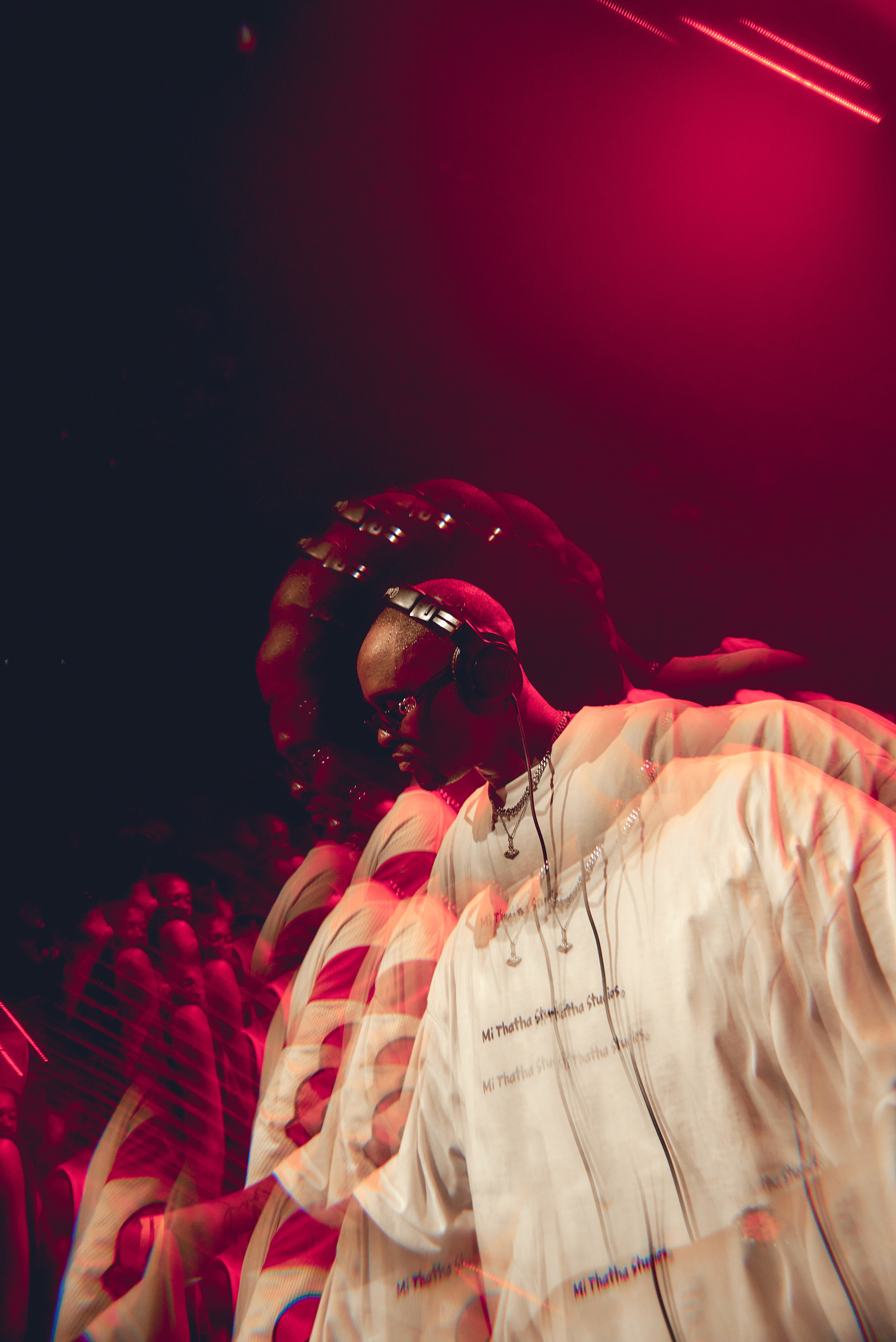
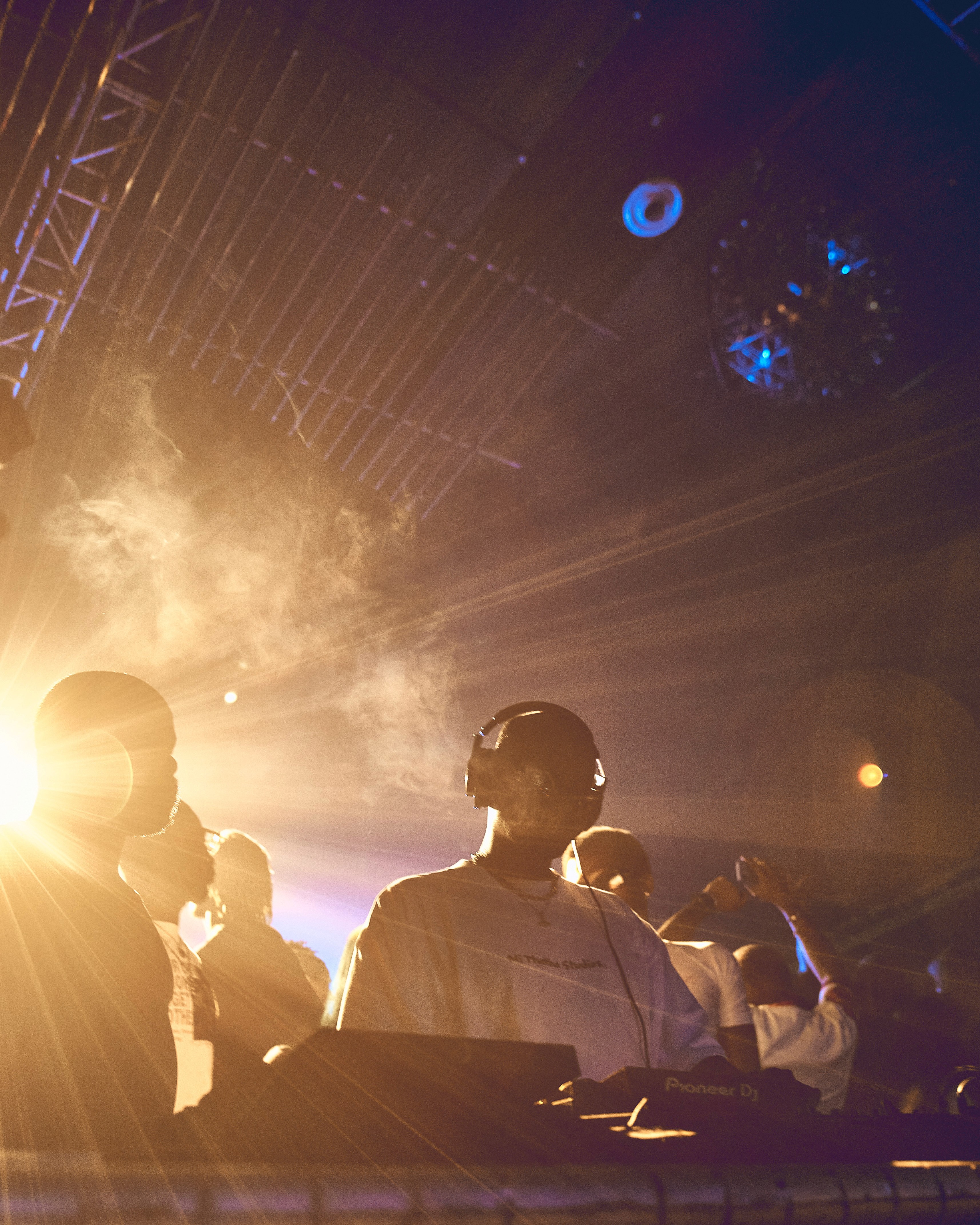
I fell in love with it, being able to express myself, to heal, and to liberate people on the dance floor. That’s such a powerful tool.
Your transition into being a full-time DJ felt relatively quick from the outside, what did that period actually look like for you behind the scenes?

Soon after that, I got texts and calls from Colleen, who ran Pussy Party at Kitcheners, which was an incubator and workshop for women, femme, and queer DJs at the time.


I went to the workshops while I was in varsity, working part-time, and then adding this onto my plate as well. After a full day, I would go there in the evenings to learn how to DJ.


Soon after that, I started getting bookings. At first it felt like something small, like a side thing, but it quickly became serious.


I fell in love with it, being able to express myself, to heal, and to liberate people on the dance floor. That’s such a powerful tool.

Through Vogue Jozi and your connection to ballroom culture, you’ve been part of creating space for queer expression in Johannesburg. How has that community shaped both your perspective and your sound?

I founded Vogue Nights Jozi, what I now call VNJ Ball. My connection to ballroom culture is very much through the music itself. When I started DJing, the genres I was playing were ballroom, gqom, funk, and very alternative Black electronic sounds. Gqom was also at the forefront for me, having grown up in Durban.


It made sense for that music to be relayed into a space where it was allowed. The only way to do that was to create that space, which became ballroom. I was influenced by what I saw online — scenes in New York, London, Berlin — and not seeing that reflected in an African context gave me the idea to form something locally.


That started in 2018. Building that community, seeing young queer kids across Johannesburg, Cape Town, and even Durban finding ways to express themselves, feel recognised, and feel safe, that has been powerful.


That community informs how I approach music, culture, and how I connect with people.

Through Vogue Jozi and your connection to ballroom culture, you’ve been part of creating space for queer expression in Johannesburg. How has that community shaped both your perspective and your sound?

I founded Vogue Nights Jozi, what I now call VNJ Ball. My connection to ballroom culture is very much through the music itself. When I started DJing, the genres I was playing were ballroom, gqom, funk, and very alternative Black electronic sounds. Gqom was also at the forefront for me, having grown up in Durban.


It made sense for that music to be relayed into a space where it was allowed. The only way to do that was to create that space, which became ballroom. I was influenced by what I saw online — scenes in New York, London, Berlin — and not seeing that reflected in an African context gave me the idea to form something locally.


That started in 2018. Building that community, seeing young queer kids across Johannesburg, Cape Town, and even Durban finding ways to express themselves, feel recognised, and feel safe, that has been powerful.


That community informs how I approach music, culture, and how I connect with people.

Ballroom has its own rhythm, energy, and intention, how does that influence the way you build and deliver your sets?

Ballroom has a very distinct energy and intention. That naturally feeds into how I build my sets.


It’s about how the music moves people, how it creates space for expression, and how it carries a certain feeling. That influence is always present in how I structure and deliver what I play.
Ballroom has its own rhythm, energy, and intention, how does that influence the way you build and deliver your sets?

Ballroom has a very distinct energy and intention. That naturally feeds into how I build my sets.


It’s about how the music moves people, how it creates space for expression, and how it carries a certain feeling. That influence is always present in how I structure and deliver what I play.

Your first project receiving a South African Music Award nomination is a major milestone. What did that moment mean to you, especially so early in your career?

The SAMA nomination was something I didn’t expect. When it was announced, it was a huge surprise. Releasing Next Level was really about pushing a sound that we were starting — blending gqom with more traditional electronic influences and creating something new within that space.


It was very much about the work and the sound, not necessarily recognition. So for it to be recognised at that level was an honour. It validated that the work we do is not in vain. Sometimes it feels like what you’re doing isn’t being seen, but that moment affirmed that young artists and producers do have a voice in the space.

Your first project receiving a South African Music Award nomination is a major milestone. What did that moment mean to you, especially so early in your career?

The SAMA nomination was something I didn’t expect. When it was announced, it was a huge surprise. Releasing Next Level was really about pushing a sound that we were starting — blending gqom with more traditional electronic influences and creating something new within that space.


It was very much about the work and the sound, not necessarily recognition. So for it to be recognised at that level was an honour. It validated that the work we do is not in vain. Sometimes it feels like what you’re doing isn’t being seen, but that moment affirmed that young artists and producers do have a voice in the space.

How would you describe your sound right now, and what are you trying to communicate through your sets and your music?

My core message through my sets is to show the variety of what African electronic music can sound like. It’s not just one straight thing.


If you listen to my sets, there are a lot of influences, gqom, Afro-electronic sounds, heavy bass-driven music, more spiritual elements. It’s something that feels very innate to me. I feel it strongly and try to bring that out in my sets.


It’s storytelling at the end of the day. I try not to be too strict with what I prepare, I keep it free-flowing so it makes sense for both me and the people listening.


Ultimately, I just want people to have fun. Music can become too serious, and people forget that the point is to dance and feel the energy.

How would you describe your sound right now, and what are you trying to communicate through your sets and your music?

My core message through my sets is to show the variety of what African electronic music can sound like. It’s not just one straight thing.


If you listen to my sets, there are a lot of influences, gqom, Afro-electronic sounds, heavy bass-driven music, more spiritual elements. It’s something that feels very innate to me. I feel it strongly and try to bring that out in my sets.


It’s storytelling at the end of the day. I try not to be too strict with what I prepare, I keep it free-flowing so it makes sense for both me and the people listening.


Ultimately, I just want people to have fun. Music can become too serious, and people forget that the point is to dance and feel the energy.

On set with Isabel

On set with Isabel

Lelowhatsgood

Lelowhatsgood

Lelowhatsgood

You recently played HiFi at Homecoming in Lagos, how did that experience feel, and what stood out to you about the crowd and the scene here?

It was my first time in Lagos. One of the things that stood out to me was how engaged people were on the dance floor.


It’s not often you see people fully there for the music, not focused on being seen or being flashy, but just there to have fun. It was also great to see how people expressed themselves through what they were wearing. Style, fashion, and music form such an integral part of what I believe these spaces should look like, especially in an African context.


Seeing Nigerian youth come out like that, and engage with a sound that was very rooted in Durban, was a great experience.

You recently played HiFi at Homecoming in Lagos, how did that experience feel, and what stood out to you about the crowd and the scene here?

It was my first time in Lagos. One of the things that stood out to me was how engaged people were on the dance floor.


It’s not often you see people fully there for the music, not focused on being seen or being flashy, but just there to have fun. It was also great to see how people expressed themselves through what they were wearing. Style, fashion, and music form such an integral part of what I believe these spaces should look like, especially in an African context.


Seeing Nigerian youth come out like that, and engage with a sound that was very rooted in Durban, was a great experience.

Looking ahead, what are you building towards next, both in terms of music and the kind of spaces or communities you want to continue shaping?

Right now I’m focused on releasing more music. I’m expanding my range and the people I collaborate with. I want to challenge norms and continue breaking rules. I’ve never really been interested in doing what everyone else is doing.


I’m working on a new EP, Rebirth is Necessary, which should be out towards the end of May.


I’m also focused on growing VNJ Ball, continuing to build the underground and club scene across Africa, touring more, and connecting with people globally.

Looking ahead, what are you building towards next, both in terms of music and the kind of spaces or communities you want to continue shaping?

Right now I’m focused on releasing more music. I’m expanding my range and the people I collaborate with. I want to challenge norms and continue breaking rules. I’ve never really been interested in doing what everyone else is doing.


I’m working on a new EP, Rebirth is Necessary, which should be out towards the end of May.


I’m also focused on growing VNJ Ball, continuing to build the underground and club scene across Africa, touring more, and connecting with people globally.

Black Noise Mag

Black Noise Mag

Black Noise Mag