Jan 24, 2025 - New releases

ISABEL OKORO NEEDS YOU

To dance, to move, to feel

Jan 24, 2025 - New releases

ISABEL OKORO NEEDS YOU

To dance, to move, to feel

Jan 24, 2025 - New releases

ISABEL OKORO NEEDS YOU

To dance, to move, to feel

Jan 24, 2025 - New releases

ISABEL OKORO NEEDS YOU

To dance, to move, to feel

Jan 24, 2025 - Written by Israel Ajayi

While many artists are concerned with reflecting the world as it is, Isabel Okoro is intent on reshaping it into something else.


Born in Lagos and based in Toronto, Okoro has spent the last few years constructing Eternity — a visual universe where Black life exists outside of survival, outside of spectacle, and instead settles into something softer, slower, and more intentional. It’s a world built through images, but grounded in memory, friendship, and the quiet insistence that joy, intimacy, and freedom should not be treated as anomalies.


Her work has always carried that tension, between here and elsewhere, between diaspora and home, between what is and what could be. But lately, that world has started to move. Off the page, off the wall, and onto the dance floor.

Jan 24, 2025 - Written by Israel Ajayi

While many artists are concerned with reflecting the world as it is, Isabel Okoro is intent on reshaping it into something else.


Born in Lagos and based in Toronto, Okoro has spent the last few years constructing Eternity — a visual universe where Black life exists outside of survival, outside of spectacle, and instead settles into something softer, slower, and more intentional. It’s a world built through images, but grounded in memory, friendship, and the quiet insistence that joy, intimacy, and freedom should not be treated as anomalies.


Her work has always carried that tension, between here and elsewhere, between diaspora and home, between what is and what could be. But lately, that world has started to move. Off the page, off the wall, and onto the dance floor.

I Need You,” her new party series, feels like a natural extension of that thinking. Framed as a night of global dance music, it resists the easy binaries that define nightlife in cities like Lagos, where Afrobeats and electronic music often exist in separate ecosystems. Instead, Okoro is building something more fluid, a space where Afro house, reggaeton, funk, and everything in between can coexist, and more importantly, where people can meet each other in that overlap.


But to call it just a party would be missing the point.

At its core, “I Need You” is about communion. About the shared language of movement. About what happens when a room full of people, many of whom have lived between places, find themselves in sync, even if only for a few hours.


Following its first outing in Toronto, the project now lands in Lagos on April 4, bringing Okoro’s practice full circle, from the diaspora back to the city that shaped her. It’s less of a homecoming and more of a convergence.


Because if Eternity is the world she’s been building in images, “I Need You” might be the first time she’s inviting people to dance inside it.
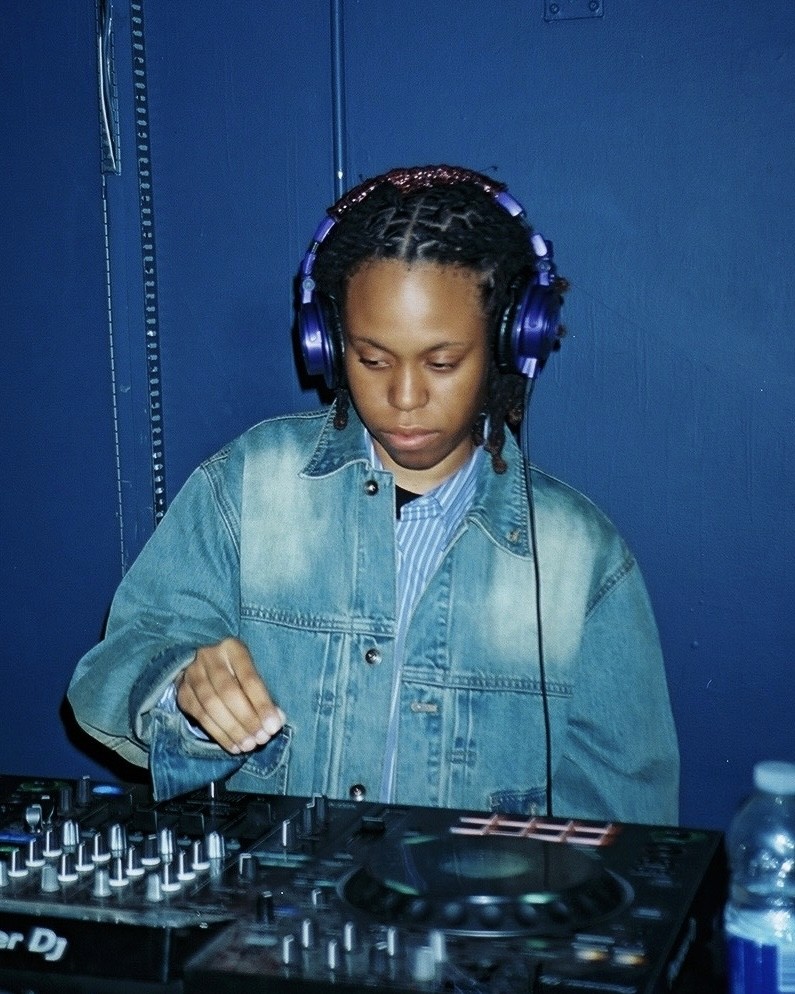
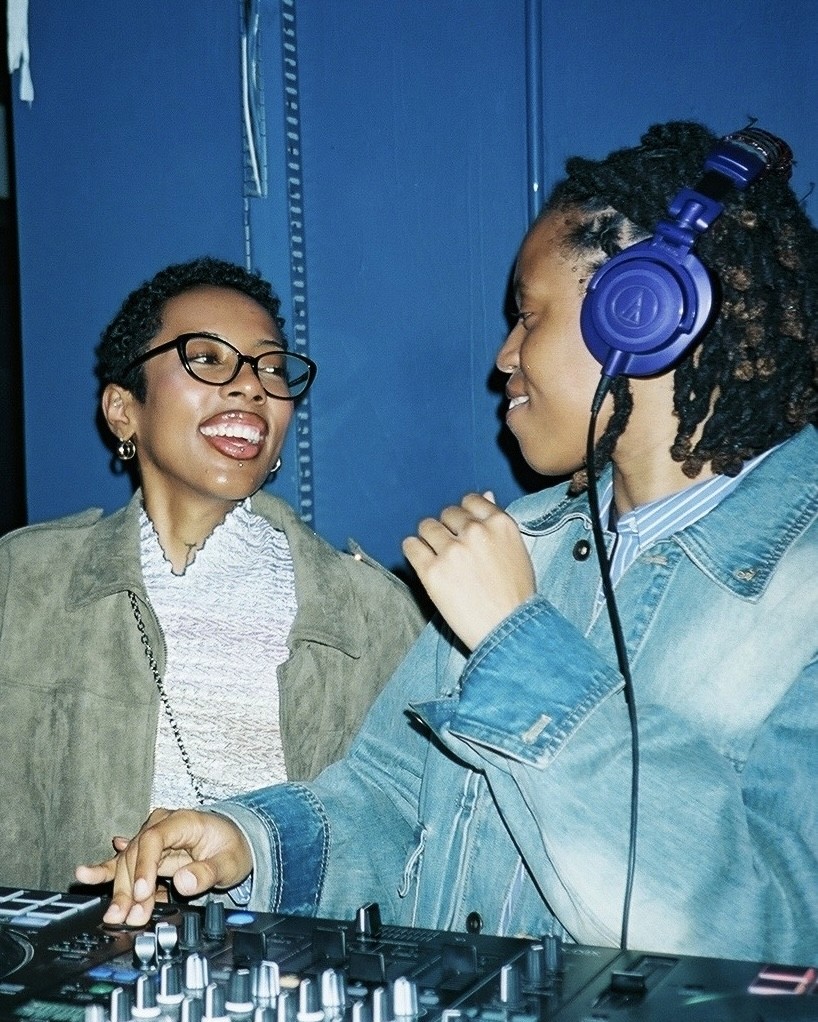
I Need You,” her new party series, feels like a natural extension of that thinking. Framed as a night of global dance music, it resists the easy binaries that define nightlife in cities like Lagos, where Afrobeats and electronic music often exist in separate ecosystems. Instead, Okoro is building something more fluid, a space where Afro house, reggaeton, funk, and everything in between can coexist, and more importantly, where people can meet each other in that overlap.


But to call it just a party would be missing the point.

At its core, “I Need You” is about communion. About the shared language of movement. About what happens when a room full of people, many of whom have lived between places, find themselves in sync, even if only for a few hours.


Following its first outing in Toronto, the project now lands in Lagos on April 4, bringing Okoro’s practice full circle, from the diaspora back to the city that shaped her. It’s less of a homecoming and more of a convergence.


Because if Eternity is the world she’s been building in images, “I Need You” might be the first time she’s inviting people to dance inside it.

Q: Why did you choose art?

I think art was always just a way for me to express myself, and also an opportunity to create a version of the world that I wanted to see. So, with photography, a lot of what I’m doing is focused on world-building and trying to recontextualize the life that I know into one that’s more aspirational for me, and one that I can really look forward to.


I think I was also interested in being an artist as kind of my own little act of revolution, like giving myself a platform to speak on certain things in certain ways, how I know best.

Q: Why did you choose art?

I think art was always just a way for me to express myself, and also an opportunity to create a version of the world that I wanted to see. So, with photography, a lot of what I’m doing is focused on world-building and trying to recontextualize the life that I know into one that’s more aspirational for me, and one that I can really look forward to.


I think I was also interested in being an artist as kind of my own little act of revolution, like giving myself a platform to speak on certain things in certain ways, how I know best.

Q: What narratives or perspectives are you trying to shift or impact?

I guess I generally like narratives specifically relating to me as a Black woman, as a Nigerian, as an immigrant, and aspects of my queerness as well.

Q: What narratives or perspectives are you trying to shift or impact?

I guess I generally like narratives specifically relating to me as a Black woman, as a Nigerian, as an immigrant, and aspects of my queerness as well.

Q: How has your identity influenced your journey and approach to your work?

I think I would say it’s made me want to be more intentional with the things that I put out there. I’m very aware of myself and the space I occupy as a result of who I am. When you’re kind of a minority, you have to navigate things in that way.


I would also say just wanting to reach specific people with my work or my events, so thinking about a community in mind when I’m creating.
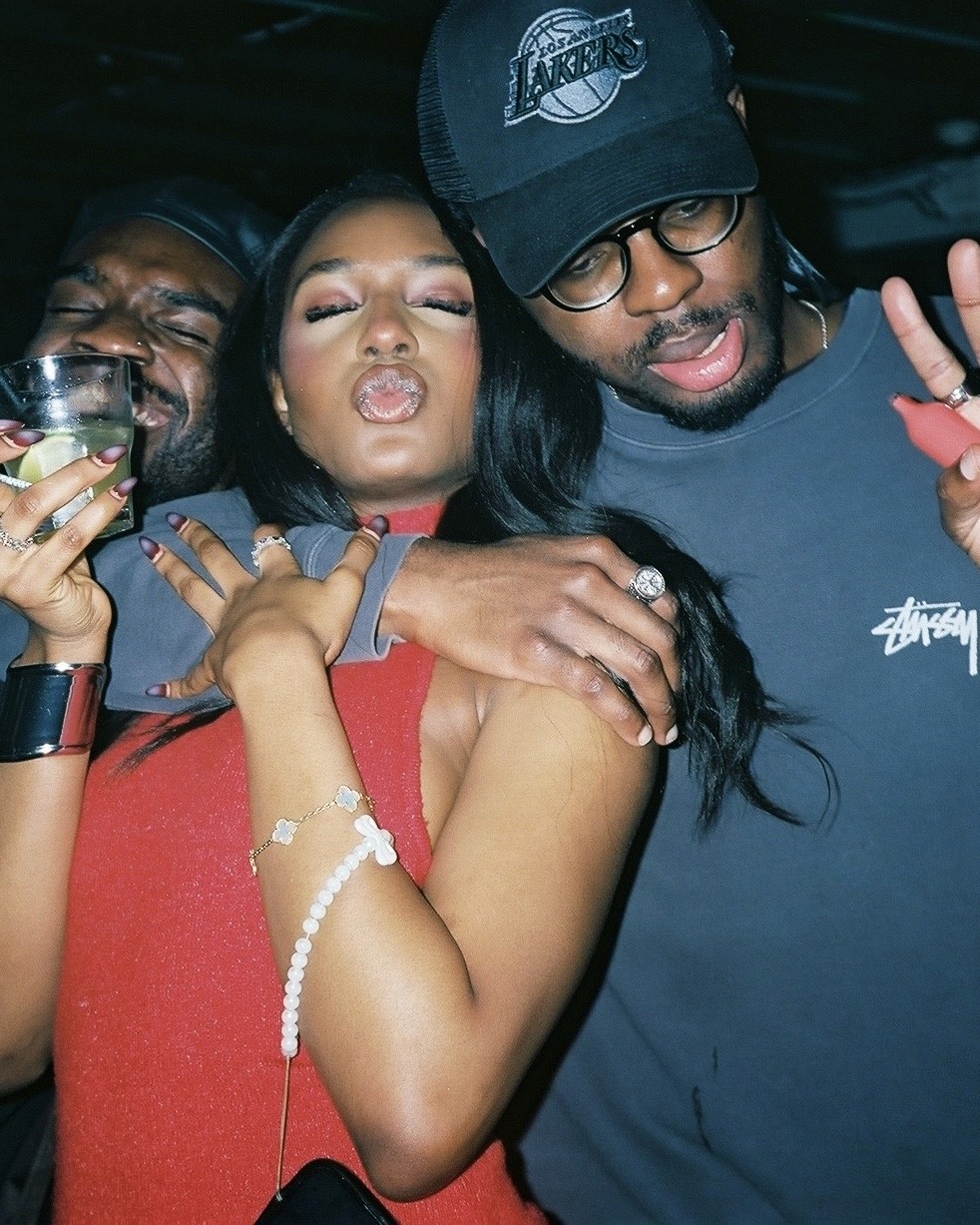
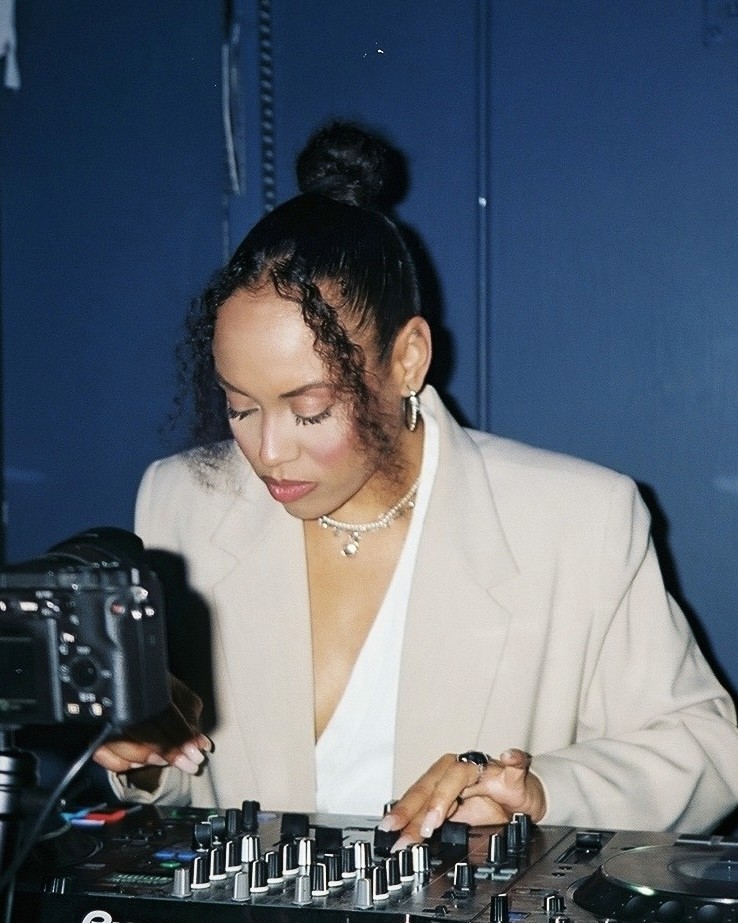
Q: How has your identity influenced your journey and approach to your work?

I think I would say it’s made me want to be more intentional with the things that I put out there. I’m very aware of myself and the space I occupy as a result of who I am. When you’re kind of a minority, you have to navigate things in that way.


I would also say just wanting to reach specific people with my work or my events, so thinking about a community in mind when I’m creating.

Q: What audiences are you trying to reach now? How would you describe your ideal audience or your target audience?

 So my ideal audience is me: Nigerian, African, Black, a woman, queer.

Everyone, honestly, that relates to me in some shape or form is my audience.

Q: What audiences are you trying to reach now? How would you describe your ideal audience or your target audience?

 So my ideal audience is me: Nigerian, African, Black, a woman, queer.

Everyone, honestly, that relates to me in some shape or form is my audience.

Q: And what are you trying to say to them? What’s that narrative that you’re trying to share with them?

That life is beautiful, and it’s what we make it.

Q: And what are you trying to say to them? What’s that narrative that you’re trying to share with them?

That life is beautiful, and it’s what we make it.

Q: You initially started out as a visual artist. When and how did you start transitioning into this period where you seem to be working with audio experiences?

 Yeah, so I’m definitely still a full-time visual artist. But over the last few years, I started to get interested in things like throwing events and just bringing people together.


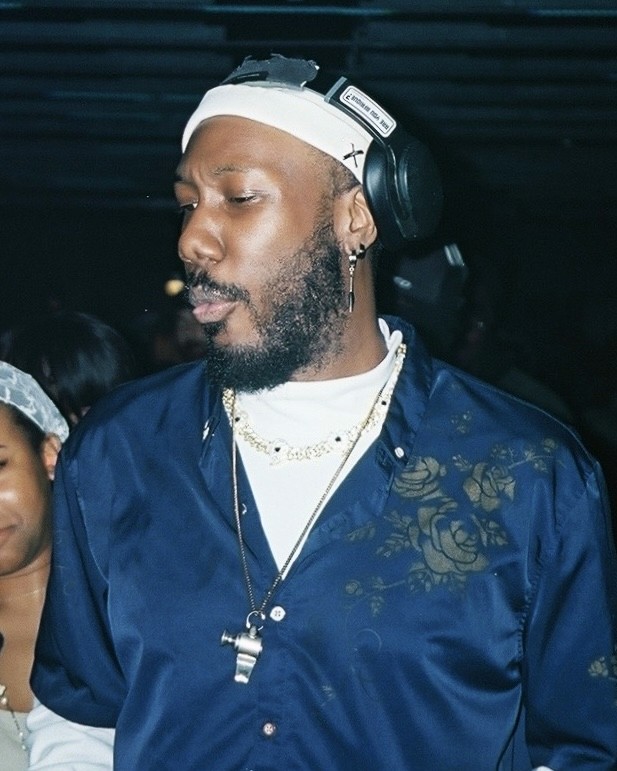
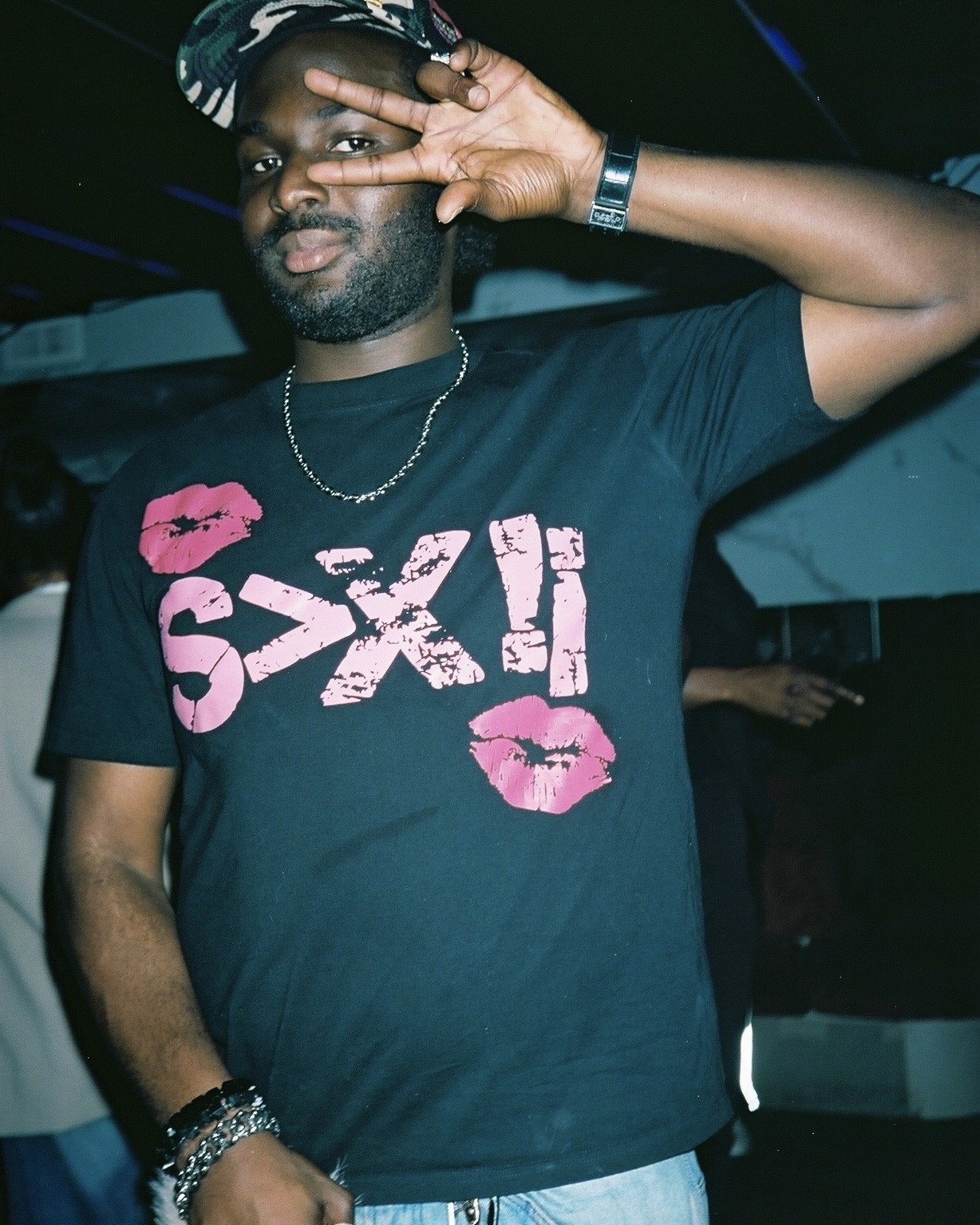
So in Toronto, I was throwing a lot of parties through my collective, Local-Global World. We would throw these Afrobeats parties and bring out the Nigerian and West African community, and everyone would get together and have that moment of almost like communion. When everyone is on the dance floor, speaking the same language, moving, sweating, and singing the same songs.


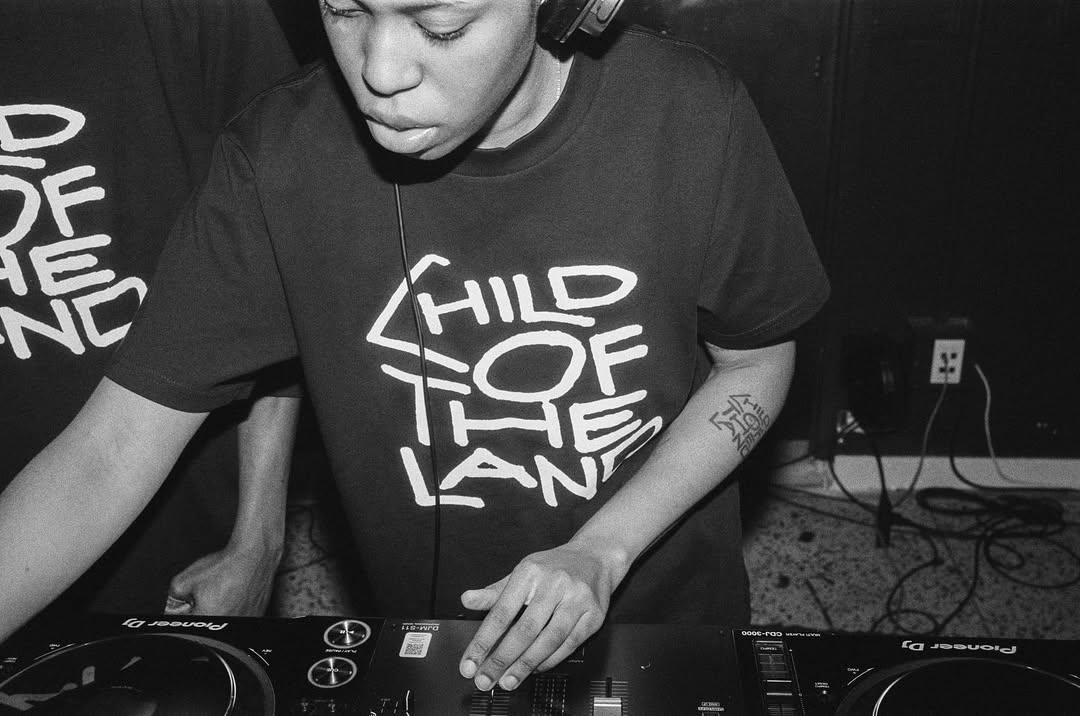
I started doing events because I loved that feeling so much and I wanted to hold on to it in any way and after a while I was like, okay, if I’m going to do this, I want to know how to do it properly. I want to know how to DJ. I want to know how to actually relate to music beyond just being a consumer. So then I started DJing.


I learned how to DJ about a year and a half ago so I could really immerse myself in the parties I was throwing. Because it’s one thing to throw parties and people are coming out, but it’s different if they’re coming out to see you specifically. As the person throwing the party, you know the exact kind of vibe that you want to create.


There were instances where we would have DJs who just didn’t relate to the audience in the way that we wanted, so I took it upon myself to learn how to DJ so I could communicate exactly how I wanted to my audience and my community.
Q: You initially started out as a visual artist. When and how did you start transitioning into this period where you seem to be working with audio experiences?

 Yeah, so I’m definitely still a full-time visual artist. But over the last few years, I started to get interested in things like throwing events and just bringing people together.


So in Toronto, I was throwing a lot of parties through my collective, Local-Global World. We would throw these Afrobeats parties and bring out the Nigerian and West African community, and everyone would get together and have that moment of almost like communion. When everyone is on the dance floor, speaking the same language, moving, sweating, and singing the same songs.


I started doing events because I loved that feeling so much and I wanted to hold on to it in any way and after a while I was like, okay, if I’m going to do this, I want to know how to do it properly. I want to know how to DJ. I want to know how to actually relate to music beyond just being a consumer. So then I started DJing.


I learned how to DJ about a year and a half ago so I could really immerse myself in the parties I was throwing. Because it’s one thing to throw parties and people are coming out, but it’s different if they’re coming out to see you specifically. As the person throwing the party, you know the exact kind of vibe that you want to create.


There were instances where we would have DJs who just didn’t relate to the audience in the way that we wanted, so I took it upon myself to learn how to DJ so I could communicate exactly how I wanted to my audience and my community.

Q: What part of DJing do you really love? What’s the best part about DJing for you? Isabel Okoro:

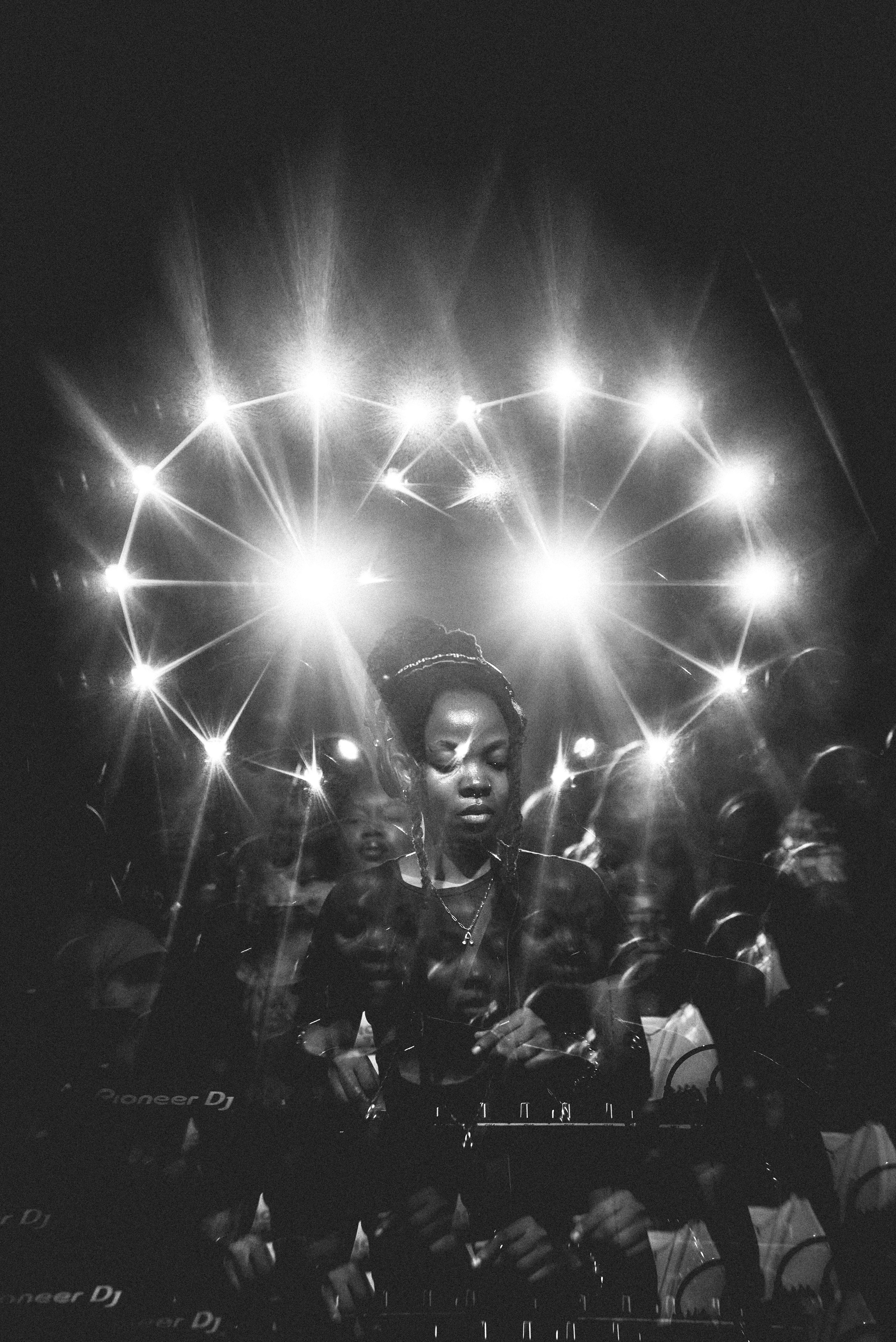
Yeah, I would say it’s that communion. I might be exaggerating, who knows, but I feel like there’s an evangelical nature to it. It’s very spiritual.


If you’ve ever been at a party or at a rave, you know when the music is playing and everyone is dancing at the same time, all the bodies moving, sweating, or singing. There’s just that kind of… I don’t even know how to describe it, honestly. It’s just this magical feeling.


Yeah, it’s like ecstasy. Exactly. It’s a very, very magical feeling. I like to call it communion because it feels kind of evangelical to me. When those moments happen, I think that’s what I’m always looking for at a party or when I’m DJing.

Q: What part of DJing do you really love? What’s the best part about DJing for you? Isabel Okoro:

Yeah, I would say it’s that communion. I might be exaggerating, who knows, but I feel like there’s an evangelical nature to it. It’s very spiritual.


If you’ve ever been at a party or at a rave, you know when the music is playing and everyone is dancing at the same time, all the bodies moving, sweating, or singing. There’s just that kind of… I don’t even know how to describe it, honestly. It’s just this magical feeling.


Yeah, it’s like ecstasy. Exactly. It’s a very, very magical feeling. I like to call it communion because it feels kind of evangelical to me. When those moments happen, I think that’s what I’m always looking for at a party or when I’m DJing.

Q: Is I Need You going to be an Afrobeats party, or is this going to be electronic music?

No, so “I Need You” is going to be global dance music.


When I say global dance music, I mean everything from Afro house, house, cumbia, which is a Latin music genre, funk, reggaeton, just literally global dance music. So the goal with “I Need You” is to bring music from all parts of the world, not just house or Afro house, that makes people dance and move their bodies.


So I love Afrobeats. I still DJ Afrobeats. I will always listen to Afrobeats. But I feel like the kind of experience that I wanted to create here in Nigeria specifically was one that felt kind of unique to this place and time.


On one hand, when you go to a club, you’re hearing Afrobeats, and then when you go to raves, you’re hearing electronic music. So I wanted to bring something that’s a little different, so that people who come to “I Need You” might even discover some genres of music that they didn’t know, or discover something new.

Q: Is I Need You going to be an Afrobeats party, or is this going to be electronic music?

No, so “I Need You” is going to be global dance music.


When I say global dance music, I mean everything from Afro house, house, cumbia, which is a Latin music genre, funk, reggaeton, just literally global dance music. So the goal with “I Need You” is to bring music from all parts of the world, not just house or Afro house, that makes people dance and move their bodies.


So I love Afrobeats. I still DJ Afrobeats. I will always listen to Afrobeats. But I feel like the kind of experience that I wanted to create here in Nigeria specifically was one that felt kind of unique to this place and time.


On one hand, when you go to a club, you’re hearing Afrobeats, and then when you go to raves, you’re hearing electronic music. So I wanted to bring something that’s a little different, so that people who come to “I Need You” might even discover some genres of music that they didn’t know, or discover something new.

Q: Where did the name I Need You come from? What’s the idea behind the title?

“I Need You” came from me needing music, me needing to be on the dance floor, me needing that kind of communion and that kind of spiritual energy.


I remember when I started partying a lot, like three or four years ago, I had a group of friends who kind of took me in. At the time, I wasn’t a big partier in Toronto. I didn’t really know anything about the Toronto party scene. Then I met a group of people who embraced me and took me in.


We were going out to all these events together, all different types of events, Afrobeats, house, electronic, everything. And I felt like I really, really needed that at a time in my life where I was struggling to even identify as queer or fully embrace who I was.


So I really felt like I needed that group of people. And when I was thinking about putting on an event, “I Need You” just came out of me. It was such a natural name to describe what I was trying to do.

Q: Where did the name I Need You come from? What’s the idea behind the title?

“I Need You” came from me needing music, me needing to be on the dance floor, me needing that kind of communion and that kind of spiritual energy.


I remember when I started partying a lot, like three or four years ago, I had a group of friends who kind of took me in. At the time, I wasn’t a big partier in Toronto. I didn’t really know anything about the Toronto party scene. Then I met a group of people who embraced me and took me in.


We were going out to all these events together, all different types of events, Afrobeats, house, electronic, everything. And I felt like I really, really needed that at a time in my life where I was struggling to even identify as queer or fully embrace who I was.


So I really felt like I needed that group of people. And when I was thinking about putting on an event, “I Need You” just came out of me. It was such a natural name to describe what I was trying to do.

Q: How has the process been? Are you still based in Toronto? Are you visiting Nigeria at the moment?

 So I’m still based in Toronto. I’m visiting Lagos. My family lives here. I’m actually working on a short film here next weekend, so that was the major reason that I came back. And then being able to do “I Need You” was a great bonus as well.


The process has honestly been pretty smooth. I’m not going to lie. We’ve only had one other event in Toronto, so this is going to be the second “I Need You.”


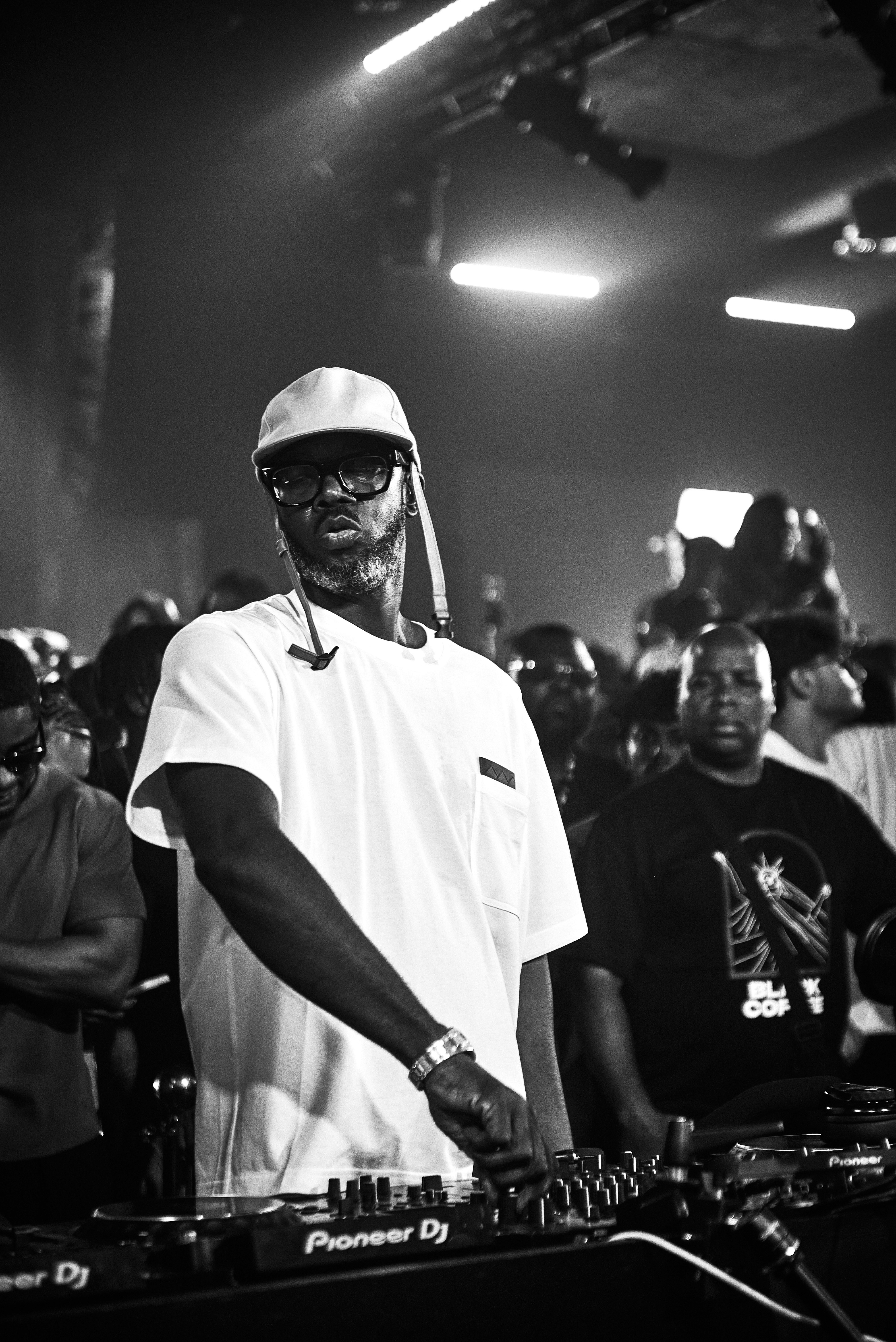
For me, the process has been really smooth. I’m very grateful to people like Aniko, Yosa, and Faem, who are taking their time to come and play at this party that I’m throwing. I really appreciate that.


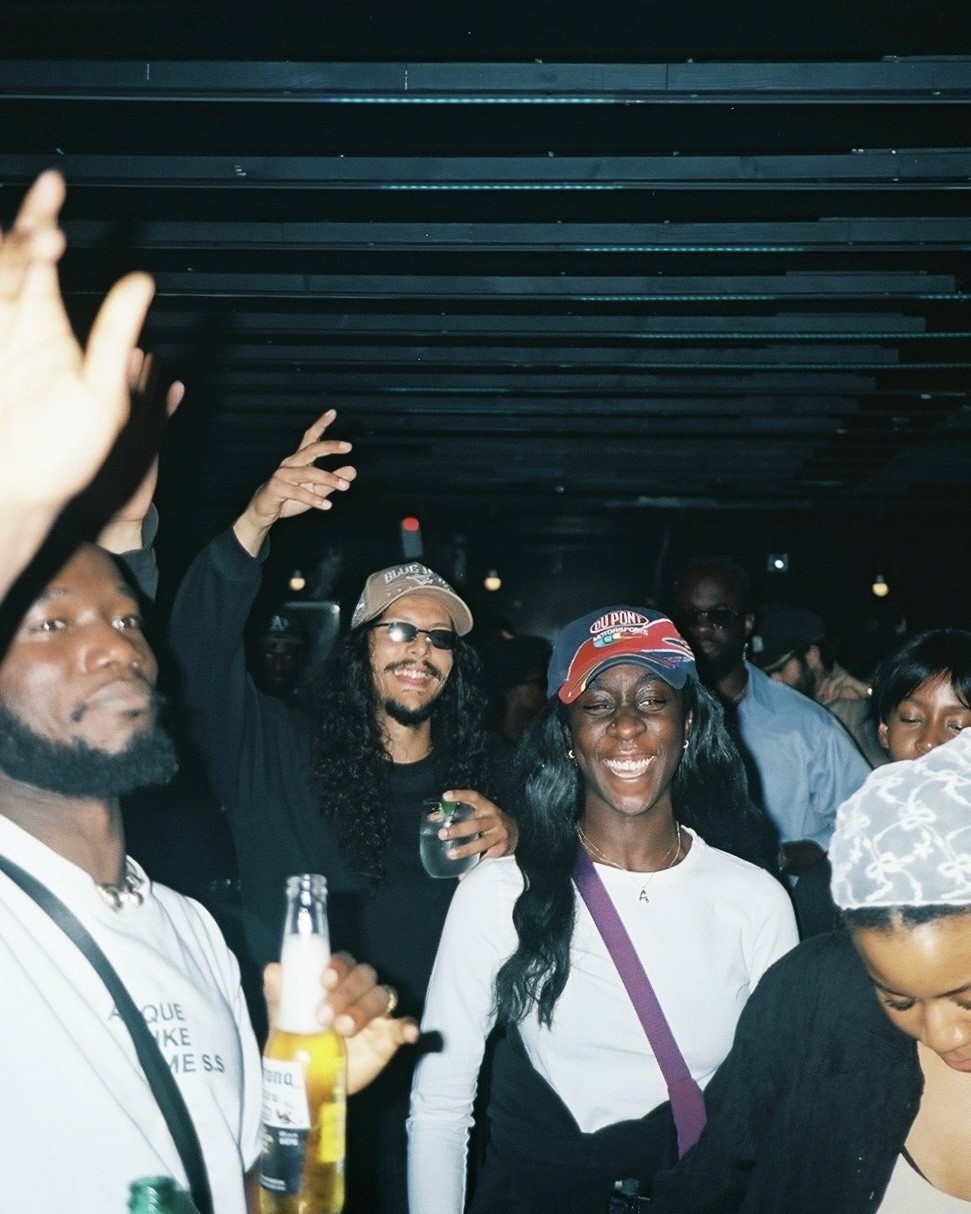
The process so far has been very good. It’s been very communal. When I explain to people what I’m trying to do, they seem to get it and want to support me. So I’m very grateful for that.
Q: How has the process been? Are you still based in Toronto? Are you visiting Nigeria at the moment?

 So I’m still based in Toronto. I’m visiting Lagos. My family lives here. I’m actually working on a short film here next weekend, so that was the major reason that I came back. And then being able to do “I Need You” was a great bonus as well.


The process has honestly been pretty smooth. I’m not going to lie. We’ve only had one other event in Toronto, so this is going to be the second “I Need You.”


For me, the process has been really smooth. I’m very grateful to people like Aniko, Yosa, and Faem, who are taking their time to come and play at this party that I’m throwing. I really appreciate that.


The process so far has been very good. It’s been very communal. When I explain to people what I’m trying to do, they seem to get it and want to support me. So I’m very grateful for that.
Q: Do you want to tell us about the film project, or is it still under wraps right now?

No, I can speak on it. I’ve been doing a lot of directing over the last couple of years, but usually I’ve just done fashion films or music videos. So this is going to be my first narrative film.


It’s a short film, and it feels very timely. Living in Toronto, living in Canada over the last few years, and watching the immigration system change so drastically has made me think a lot about where I’m from and why people leave in the first place.


I’ve been asking myself questions like, why did I leave? Maybe I should have come back. Maybe I should have done things differently.


So I’m trying to explore that mental aspect of why people might want to leave, but also those who don’t or can’t, why they choose to stay, and what the result is if they’re unable to leave when they want to.


It’s my own personal interpretation of things like migration, dreams, and resilience. I’m not trying to make a film that solves everything or relates to everyone. It’s just about expressing the questions I’ve asked myself.

Q: Do you want to tell us about the film project, or is it still under wraps right now?

No, I can speak on it. I’ve been doing a lot of directing over the last couple of years, but usually I’ve just done fashion films or music videos. So this is going to be my first narrative film.


It’s a short film, and it feels very timely. Living in Toronto, living in Canada over the last few years, and watching the immigration system change so drastically has made me think a lot about where I’m from and why people leave in the first place.


I’ve been asking myself questions like, why did I leave? Maybe I should have come back. Maybe I should have done things differently.


So I’m trying to explore that mental aspect of why people might want to leave, but also those who don’t or can’t, why they choose to stay, and what the result is if they’re unable to leave when they want to.


It’s my own personal interpretation of things like migration, dreams, and resilience. I’m not trying to make a film that solves everything or relates to everyone. It’s just about expressing the questions I’ve asked myself.

Q: Do you want to tell us a bit about the programming and what I Need You is going to look like beyond the music?

Yeah, so there’s the music, obviously. And because it’s taking place at NOK, it’s already such a beautiful and well-decorated space. So in terms of sets, we won’t be doing too much. We’ll have colored lights reflecting the theme of “I Need You,” red and yellow lights.


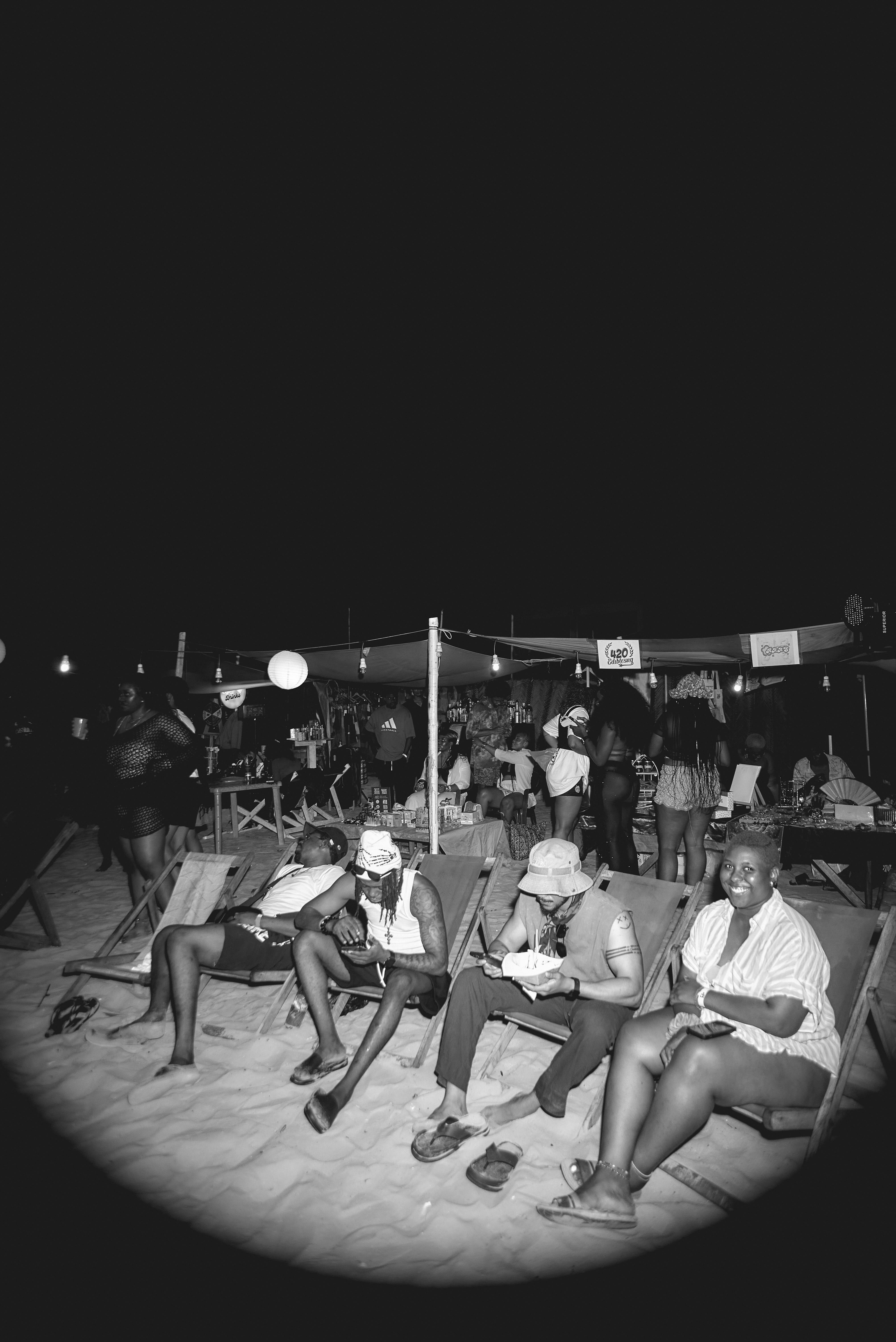
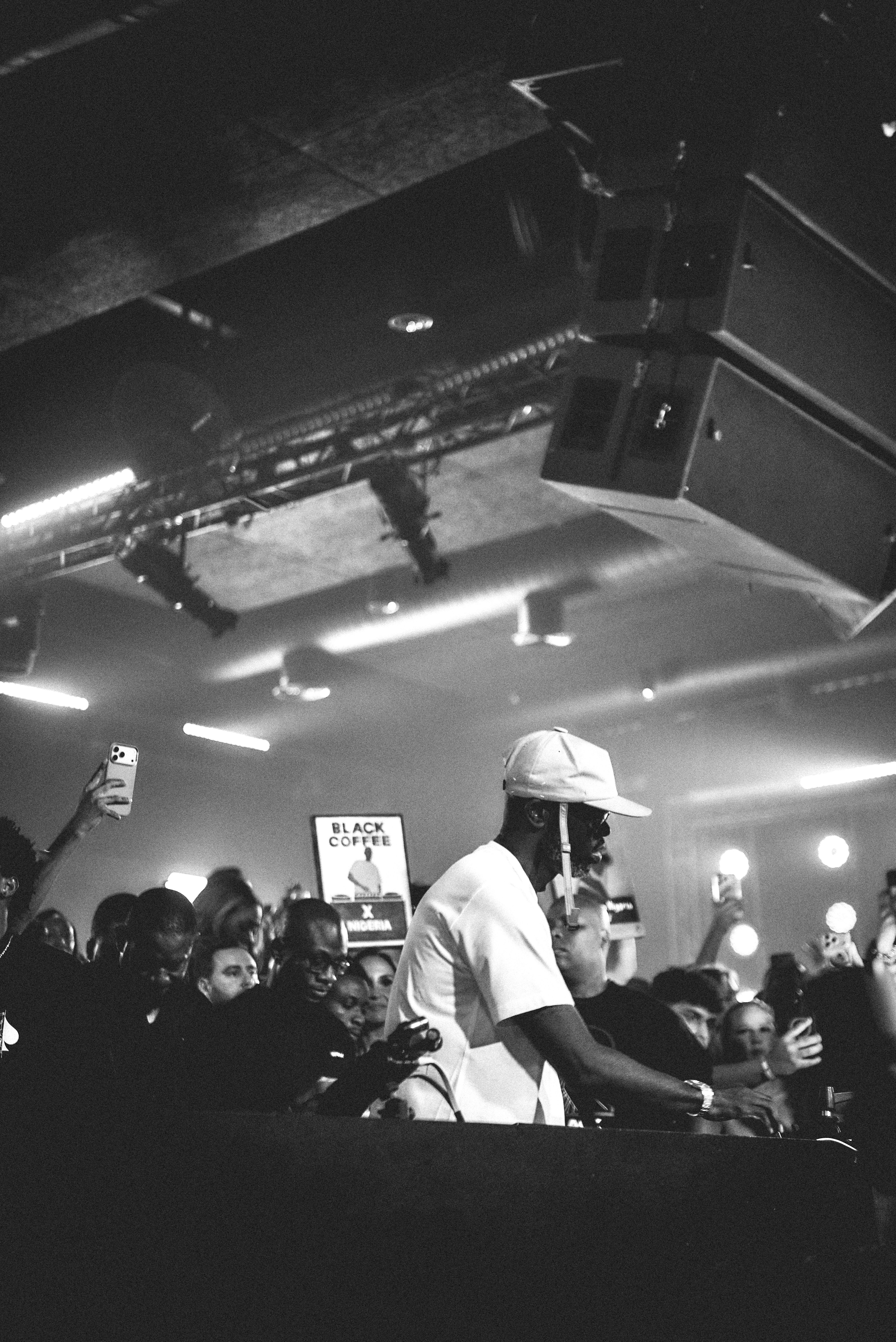
I’m also looking to have the event archived. I’m trying to figure out how to document all the DJs, but also the crowd, so we can have videos archived and maybe put up on YouTube.


Photography is also a big thing for me, so definitely documenting the event in a really beautiful way.


nd then lastly, I’m thinking about merch. I’m supposed to be working on a collaboration with a Nigerian brand on some merchandise.


So yeah, also trying to make something that captures the moment, something I can hold onto. And really, just trying to get people to dance under the moon. That’s all I’m thinking about.

Q: Do you want to tell us a bit about the programming and what I Need You is going to look like beyond the music?

Yeah, so there’s the music, obviously. And because it’s taking place at NOK, it’s already such a beautiful and well-decorated space. So in terms of sets, we won’t be doing too much. We’ll have colored lights reflecting the theme of “I Need You,” red and yellow lights.


I’m also looking to have the event archived. I’m trying to figure out how to document all the DJs, but also the crowd, so we can have videos archived and maybe put up on YouTube.


Photography is also a big thing for me, so definitely documenting the event in a really beautiful way.


nd then lastly, I’m thinking about merch. I’m supposed to be working on a collaboration with a Nigerian brand on some merchandise.


So yeah, also trying to make something that captures the moment, something I can hold onto. And really, just trying to get people to dance under the moon. That’s all I’m thinking about.

Q: Do you see I Need You, or this new phase of your life, curating events and DJing, as an extension of Eternity?

Over the last few years, Eternity has evolved into a cornerstone of my practice, but it’s very much its own thing. It’s a conceptual idea relating to visual documentation of Black people in natural spaces, within a specific world that I’m building called Eternity.


Eternity is really a space on its own, a theorized space. What crosses over, though, is the idea of normtopia and wanting to express things that are normal, not necessarily perfect.


That carries through in my photography, my music work, my DJing, and the events that I curate. I’m trying to create something that feels relatable, human, raw, and real. I’m not concerned with perfection.

Q: Do you see I Need You, or this new phase of your life, curating events and DJing, as an extension of Eternity?

Over the last few years, Eternity has evolved into a cornerstone of my practice, but it’s very much its own thing. It’s a conceptual idea relating to visual documentation of Black people in natural spaces, within a specific world that I’m building called Eternity.


Eternity is really a space on its own, a theorized space. What crosses over, though, is the idea of normtopia and wanting to express things that are normal, not necessarily perfect.


That carries through in my photography, my music work, my DJing, and the events that I curate. I’m trying to create something that feels relatable, human, raw, and real. I’m not concerned with perfection.

Q: What do you mean by world-building in your work?

With my photography, I’ve been building a space called Eternity. When I say it’s a theorized space, I mean it’s not just a theme. It’s a specific place, a time, a world.


If you think about something like Game of Thrones, where they have Westeros, that’s how I think about Eternity. Within it, I’m building stories, developing lore, assigning meaning, and working within specific locations.


Not all my photography takes place in Eternity, but when it does, it’s very intentional.


For example, I did a shoot in Mexico called Constructing Eternity. Each image had its own story, and I built out locations within this world before photographing people in them.


So I’m approaching world-building the same way a game developer or a novelist would, just through photography and film.

Q: What do you mean by world-building in your work?

With my photography, I’ve been building a space called Eternity. When I say it’s a theorized space, I mean it’s not just a theme. It’s a specific place, a time, a world.


If you think about something like Game of Thrones, where they have Westeros, that’s how I think about Eternity. Within it, I’m building stories, developing lore, assigning meaning, and working within specific locations.


Not all my photography takes place in Eternity, but when it does, it’s very intentional.


For example, I did a shoot in Mexico called Constructing Eternity. Each image had its own story, and I built out locations within this world before photographing people in them.


So I’m approaching world-building the same way a game developer or a novelist would, just through photography and film.

For Isabel, the work has never really been about staying in one medium. Photography, film, music, events, they all feed into the same instinct, to create spaces where people can see themselves differently, and maybe even more clearly.


“I Need You” feels like a continuation of that instinct. Not a departure, but a shift in form. The same ideas, just louder, more immediate, and shared in real time.


And maybe that’s the point. Not just to imagine new worlds, but to build them in ways that people can actually step into, even if only for a night.

For Isabel, the work has never really been about staying in one medium. Photography, film, music, events, they all feed into the same instinct, to create spaces where people can see themselves differently, and maybe even more clearly.


“I Need You” feels like a continuation of that instinct. Not a departure, but a shift in form. The same ideas, just louder, more immediate, and shared in real time.


And maybe that’s the point. Not just to imagine new worlds, but to build them in ways that people can actually step into, even if only for a night.

Black Noise Mag

Black Noise Mag

Black Noise Mag