" transform="translate(2.266 2.266)" width="17.218780000000002px"/><path d="M 8.156 4.078 C 8.156 5.16 7.727 6.197 6.962 6.962 C 6.197 7.727 5.16 8.156 4.078 8.156 C 2.997 8.156 1.959 7.727 1.194 6.962 C 0.43 6.197 0 5.16 0 4.078 C 0 2.997 0.43 1.959 1.194 1.194 C 1.959 0.43 2.997 0 4.078 0 C 5.16 0 6.197 0.43 6.962 1.194 C 7.727 1.959 8.156 2.997 8.156 4.078 Z" fill="transparent" height="8.15622px" id="O9Ncbsd4H" stroke-dasharray="" stroke-linecap="butt" stroke-linejoin="miter" stroke-miterlimit="10" stroke-width="1.35938" stroke="rgb(31, 31, 31)" transform="translate(6.797 6.797)" width="8.15622px"/><path d="M 0.009 0 L 0 0" fill="transparent" height="1px" id="twDD_I79T" stroke-dasharray="" stroke-linecap="round" stroke-linejoin="round" stroke-width="1.8125" stroke="rgb(31, 31, 31)" transform="translate(15.857 5.891)" width="1px"/></svg>)
" transform="translate(2.719 2.719)" width="16.312450191802977px"/></svg>)

Jan 24, 2025 - New releases
WHY ISN"T MARA LOVED AT HOME?
On classism and why we hate the sound of the streets

Jan 24, 2025 - New releases
WHY ISN"T MARA LOVED AT HOME?
On classism and why we hate the sound of the streets
Jan 24, 2025 - Written by Israel Ajayi
Last weekend, Azzi On The Beat stepped behind the decks at Group Therapy’s opening edition for 2026 and delivered a Mara set that electrified the room.
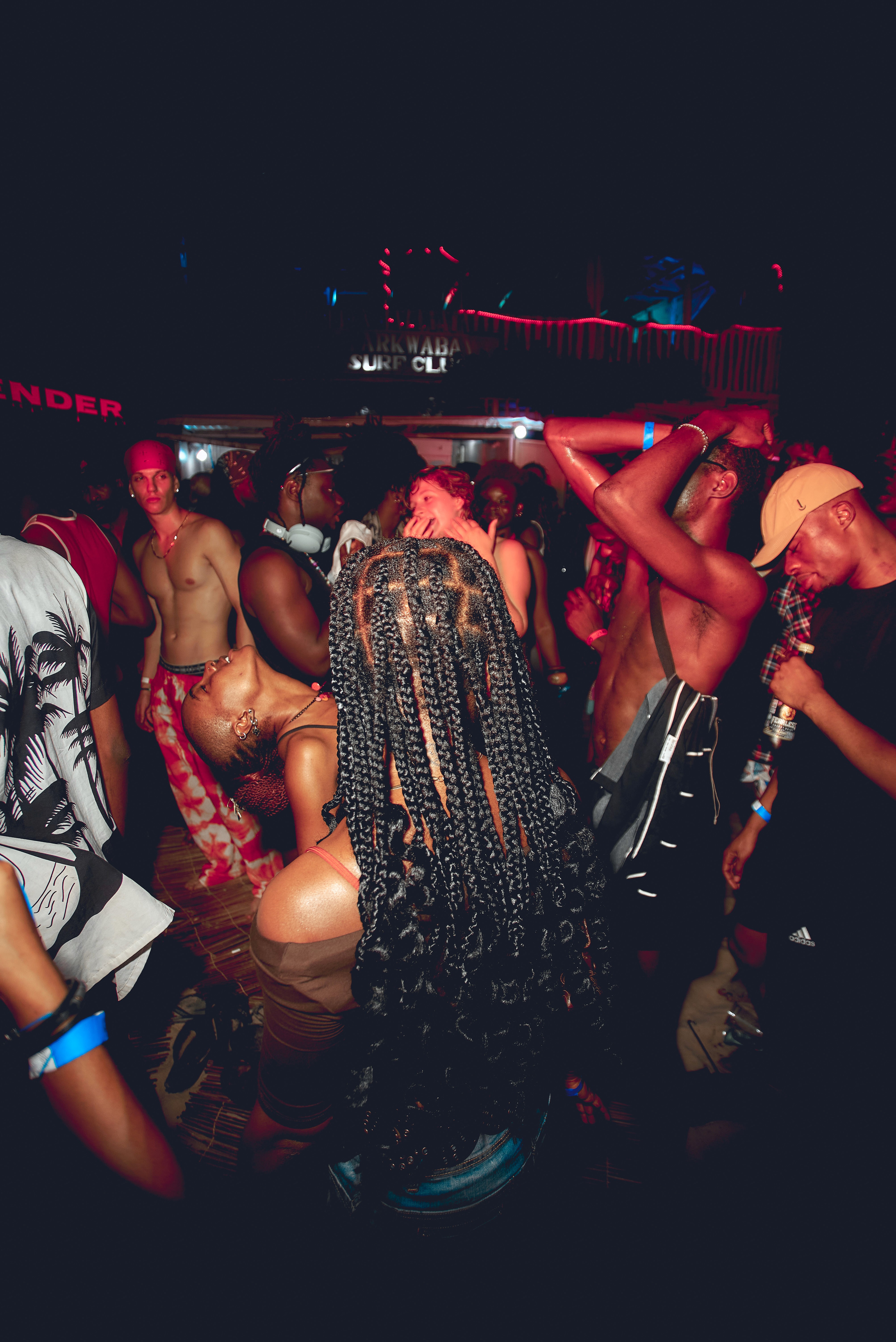
The reaction on the dancefloor was immediate. Bodies moved, hands went up, the energy surged in that familiar way that only happens when a DJ taps directly into the pulse of a crowd. For those inside the room, the moment felt undeniable.
But while the dancefloor went crazy, so did the internet.
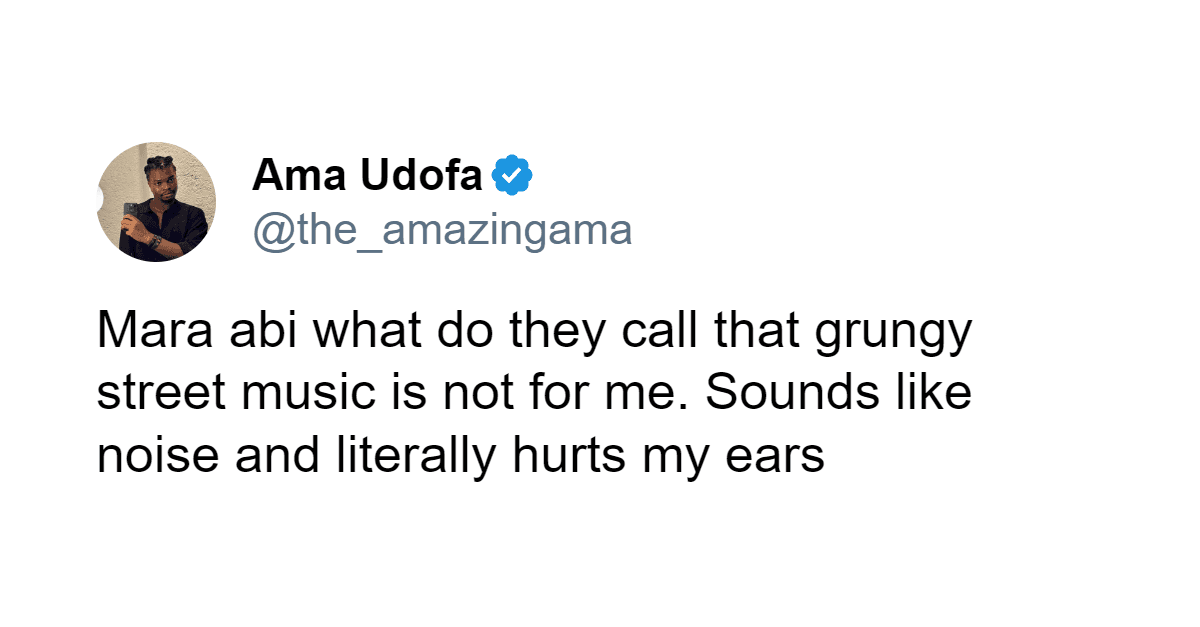
Shortly after the set, conversations about Mara began circulating online. Some listeners praised the sound for its rawness and energy. Others rejected it entirely, describing it as abrasive, chaotic, or simply “noise.” What could have been a typical online disagreement about musical taste quickly revealed something deeper.
The backlash around Mara isn’t really about the music itself.
It’s about what the music represents.
Jan 24, 2025 - Written by Israel Ajayi
Last weekend, Azzi On The Beat stepped behind the decks at Group Therapy’s opening edition for 2026 and delivered a Mara set that electrified the room.
The reaction on the dancefloor was immediate. Bodies moved, hands went up, the energy surged in that familiar way that only happens when a DJ taps directly into the pulse of a crowd. For those inside the room, the moment felt undeniable.
But while the dancefloor went crazy, so did the internet.
Shortly after the set, conversations about Mara began circulating online. Some listeners praised the sound for its rawness and energy. Others rejected it entirely, describing it as abrasive, chaotic, or simply “noise.” What could have been a typical online disagreement about musical taste quickly revealed something deeper.
The backlash around Mara isn’t really about the music itself.
It’s about what the music represents.
The Sound of the Street
Mara — often referred to as Street House — is one of the most exciting electronic sounds currently emerging from Nigeria. The genre sits at the intersection of street culture and club music: fast, aggressive, rhythmic, and unapologetically raw.
Its sonic DNA pulls from multiple directions. You hear the influence of street-hop and street-pop in its attitude and rhythm. The production leans heavily on distorted basslines, log drums, harsh synth textures, and DIY electronic experimentation. The result is a sound that feels chaotic but deliberate — something built not in pristine studios but in the energy of the streets themselves.
And that’s precisely why the genre is so polarizing.
In Nigeria, sounds that originate from the street are often treated with suspicion before they are embraced. They are dismissed as “too local,” “too noisy,” or “not sophisticated enough.” The language around Mara echoes the same criticisms once aimed at early street-pop and even early Afrobeats.
It’s a familiar pattern: classism disguised as musical taste.
The Sound of the Street
Mara — often referred to as Street House — is one of the most exciting electronic sounds currently emerging from Nigeria. The genre sits at the intersection of street culture and club music: fast, aggressive, rhythmic, and unapologetically raw.
Its sonic DNA pulls from multiple directions. You hear the influence of street-hop and street-pop in its attitude and rhythm. The production leans heavily on distorted basslines, log drums, harsh synth textures, and DIY electronic experimentation. The result is a sound that feels chaotic but deliberate — something built not in pristine studios but in the energy of the streets themselves.
And that’s precisely why the genre is so polarizing.
In Nigeria, sounds that originate from the street are often treated with suspicion before they are embraced. They are dismissed as “too local,” “too noisy,” or “not sophisticated enough.” The language around Mara echoes the same criticisms once aimed at early street-pop and even early Afrobeats.
It’s a familiar pattern: classism disguised as musical taste.
Taste, Class, and Cultural Bias
For many listeners, rejecting Mara feels like a matter of preference. Not everyone enjoys distorted synths or aggressive rhythms. But the conversation around Mara often reveals something deeper than simple aesthetic disagreement.
In Nigeria’s cultural ecosystem, music associated with the street has historically been viewed as less refined, less respectable, and less valuable. This bias shapes how audiences respond to new sounds long before they are given the space to evolve.
Genres born in grassroots environments rarely receive immediate acceptance from mainstream audiences. Instead, they are scrutinized, mocked, or dismissed until they gain enough momentum to become unavoidable.
Afrobeats experienced this trajectory. Street-pop experienced it. Even global genres like hip-hop and house music faced similar resistance in their early days.
Mara appears to be following the same path.
Taste, Class, and Cultural Bias
For many listeners, rejecting Mara feels like a matter of preference. Not everyone enjoys distorted synths or aggressive rhythms. But the conversation around Mara often reveals something deeper than simple aesthetic disagreement.
In Nigeria’s cultural ecosystem, music associated with the street has historically been viewed as less refined, less respectable, and less valuable. This bias shapes how audiences respond to new sounds long before they are given the space to evolve.
Genres born in grassroots environments rarely receive immediate acceptance from mainstream audiences. Instead, they are scrutinized, mocked, or dismissed until they gain enough momentum to become unavoidable.
Afrobeats experienced this trajectory. Street-pop experienced it. Even global genres like hip-hop and house music faced similar resistance in their early days.
Mara appears to be following the same path.
Global Recognition Before Local Acceptance
Ironically, while parts of the Nigerian internet are still debating Mara’s legitimacy, international audiences have already begun paying attention.
DJs connected to the movement have appeared on major global platforms like Boiler Room, exposing the sound to international listeners. Festivals such as Nyege Nyege — known for celebrating experimental African club music — have also embraced similar sonic territories.
What’s happening locally as “controversy” is being recognized globally as innovation.
This dynamic isn’t new. African genres often receive international validation before being fully embraced at home. The pattern reflects a complicated relationship between local identity, class perceptions, and global cultural recognition.
But it also signals something important.
Mara isn’t just another derivative club sound.
Global Recognition Before Local Acceptance
Ironically, while parts of the Nigerian internet are still debating Mara’s legitimacy, international audiences have already begun paying attention.
DJs connected to the movement have appeared on major global platforms like Boiler Room, exposing the sound to international listeners. Festivals such as Nyege Nyege — known for celebrating experimental African club music — have also embraced similar sonic territories.
What’s happening locally as “controversy” is being recognized globally as innovation.
This dynamic isn’t new. African genres often receive international validation before being fully embraced at home. The pattern reflects a complicated relationship between local identity, class perceptions, and global cultural recognition.
But it also signals something important.
Mara isn’t just another derivative club sound.
A Truly Nigerian Electronic Genre
One of the reasons Mara feels so disruptive is because it refuses to mimic global trends.
It isn’t borrowed from European house scenes.
It isn’t directly adapted from South African dance music movements.
It isn’t trying to sound internationally “palatable.”
Instead, it feels deeply Nigerian — chaotic, experimental, loud, and intensely rhythmic. The genre carries the energy of street culture directly into electronic music spaces, creating something that feels both familiar and radically new.
In that sense, Mara represents something the Nigerian electronic scene has been searching for: a fully indigenous electronic sound.
A genre that emerges organically from local culture rather than being imported or adapted.
A Truly Nigerian Electronic Genre
One of the reasons Mara feels so disruptive is because it refuses to mimic global trends.
It isn’t borrowed from European house scenes.
It isn’t directly adapted from South African dance music movements.
It isn’t trying to sound internationally “palatable.”
Instead, it feels deeply Nigerian — chaotic, experimental, loud, and intensely rhythmic. The genre carries the energy of street culture directly into electronic music spaces, creating something that feels both familiar and radically new.
In that sense, Mara represents something the Nigerian electronic scene has been searching for: a fully indigenous electronic sound.
A genre that emerges organically from local culture rather than being imported or adapted.

Azzi on the beat

Azzi on the beat
Azzi on the beat
The Real Question
Which brings us back to the debate. The question isn’t really “Why don’t you like Mara?” Musical taste is subjective. Not every genre will resonate with every listener.
The more interesting question is this:
Why does a sound suddenly feel unacceptable the moment it comes from the street?
Because sometimes the resistance to a genre isn’t about the sound at all. Sometimes it’s about what the sound represents, who it comes from, where it was built, and whose voices it amplifies.
And if history is any indication, the sounds that make people uncomfortable at first are often the ones that shape the future of music.
The Real Question
Which brings us back to the debate. The question isn’t really “Why don’t you like Mara?” Musical taste is subjective. Not every genre will resonate with every listener.
The more interesting question is this:
Why does a sound suddenly feel unacceptable the moment it comes from the street?
Because sometimes the resistance to a genre isn’t about the sound at all. Sometimes it’s about what the sound represents, who it comes from, where it was built, and whose voices it amplifies.
And if history is any indication, the sounds that make people uncomfortable at first are often the ones that shape the future of music.
Black Noise Mag

Black Noise Mag

Black Noise Mag