" transform="translate(2.266 2.266)" width="17.218780000000002px"/><path d="M 8.156 4.078 C 8.156 5.16 7.727 6.197 6.962 6.962 C 6.197 7.727 5.16 8.156 4.078 8.156 C 2.997 8.156 1.959 7.727 1.194 6.962 C 0.43 6.197 0 5.16 0 4.078 C 0 2.997 0.43 1.959 1.194 1.194 C 1.959 0.43 2.997 0 4.078 0 C 5.16 0 6.197 0.43 6.962 1.194 C 7.727 1.959 8.156 2.997 8.156 4.078 Z" fill="transparent" height="8.15622px" id="O9Ncbsd4H" stroke-dasharray="" stroke-linecap="butt" stroke-linejoin="miter" stroke-miterlimit="10" stroke-width="1.35938" stroke="rgb(31, 31, 31)" transform="translate(6.797 6.797)" width="8.15622px"/><path d="M 0.009 0 L 0 0" fill="transparent" height="1px" id="twDD_I79T" stroke-dasharray="" stroke-linecap="round" stroke-linejoin="round" stroke-width="1.8125" stroke="rgb(31, 31, 31)" transform="translate(15.857 5.891)" width="1px"/></svg>)
" transform="translate(2.719 2.719)" width="16.312450191802977px"/></svg>)

Written by Olawale Toriola
There's a line in Show Dem Camp and Ladipoe's "Savage" where they get tired of pretenders flooding the genre and decide to draw a boundary in real time — “Ghost all guys they all scamming / Stop calling that thing rap we won't have it.” I think about that line a lot, not because I'm trying to gatekeep rap, but because Nigerian electronic music culture is having the exact same argument right now, except almost nobody is saying it out loud.
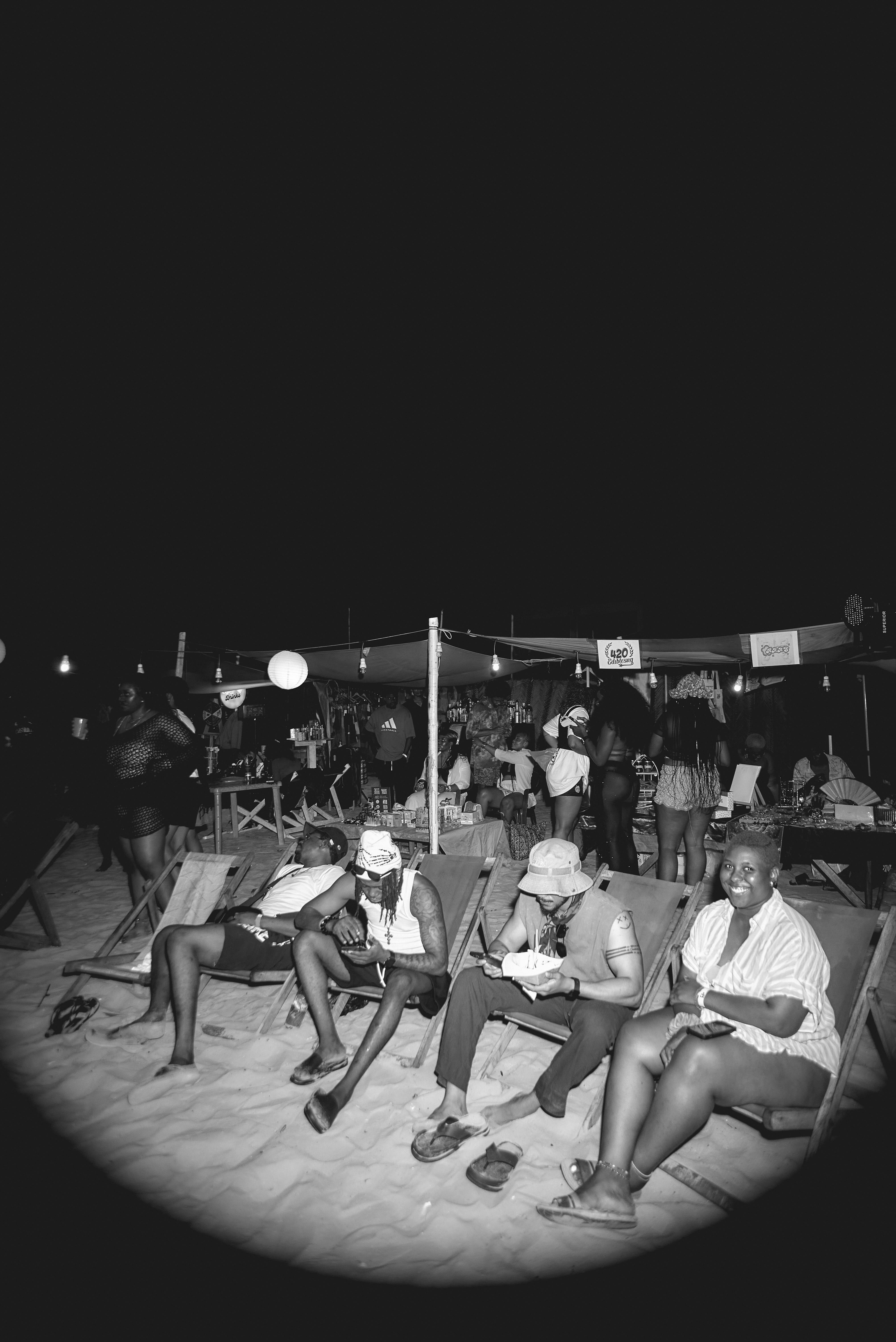
If someone asked me what I'd change about the Nigerian electronic scene, it wouldn't be anything inherent to the scene itself. It would be something about the culture growing around it, the same way every emerging trend or subculture eventually has to confront the gap between what it is and what people are calling it. What I want is more intentionality. More defined, clearly articulated language around how we market these events, so the word doesn't end up in the mouths of gentrifiers looking for nothing but a lifeline to feed off a growing culture. Because right now, almost anything qualifies. A club night with a slightly longer playlist gets called a rave. A bottle-service party with a DJ booth gets called a rave. A brand activation with string lights and a hashtag gets called a rave. The word has become decoration — a stamp you put on an event poster to signal "cool" and "underground," regardless of whether the event has anything underground about it at all. And the more we do this, the less the word means anything.

Where the word actually comes from
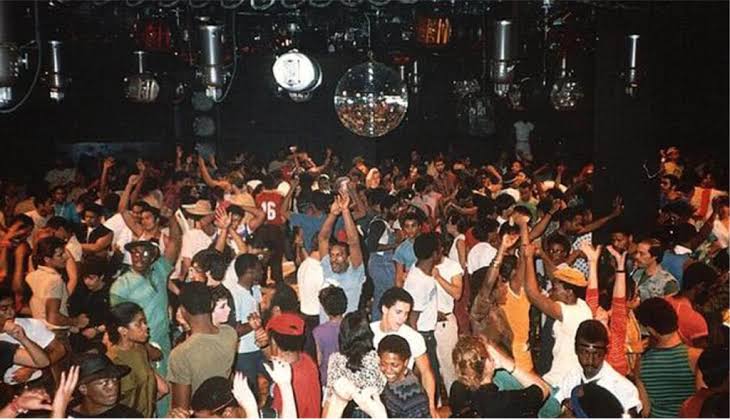
One thing we can all agree on, if we're honest about the history, is where rave culture was built and who built it: underground parties built around Chicago house music and Detroit techno, pioneered largely by Black and Queer communities who had nowhere else to go. The warehouse, the basement, the abandoned factory — these were not aesthetic choices. They were a space carved out, deliberately, for people who were excluded from mainstream clubs and mainstream society. It was, and should still be, a space specifically curated for the excluded. Raves have travelled a long way since then, outlawed in some places, raided in others, but consistently understood, globally, as a symbol of socio-political rebellion expressed through radical inclusivity and communal pleasure. That's what the word is actually carrying when you say it, and the moment your event doesn't align with that, the moment it's organized around exclusivity instead of access, profit instead of community, spectacle instead of refuge, that right there is your first sign you probably shouldn't be calling it a rave.
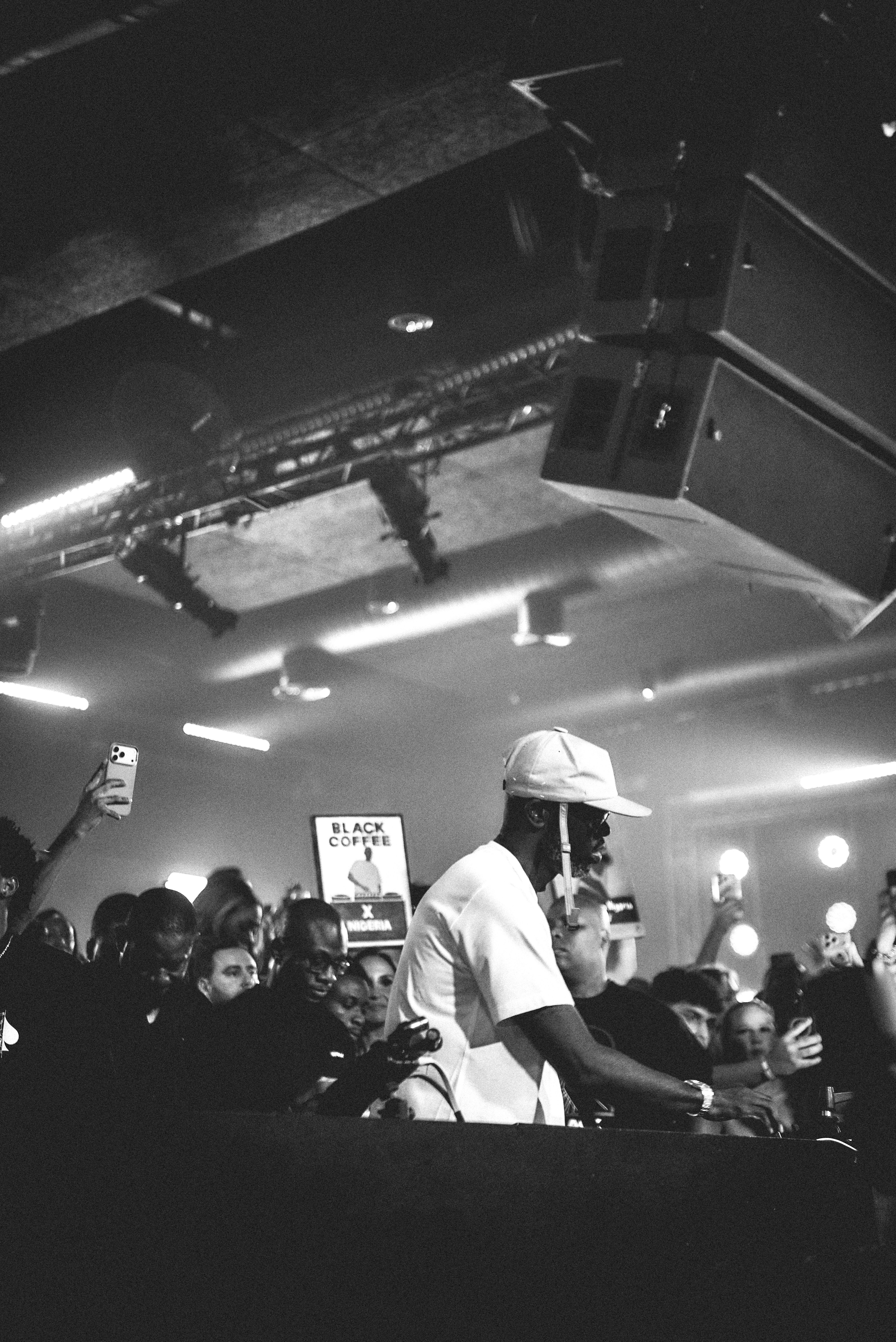
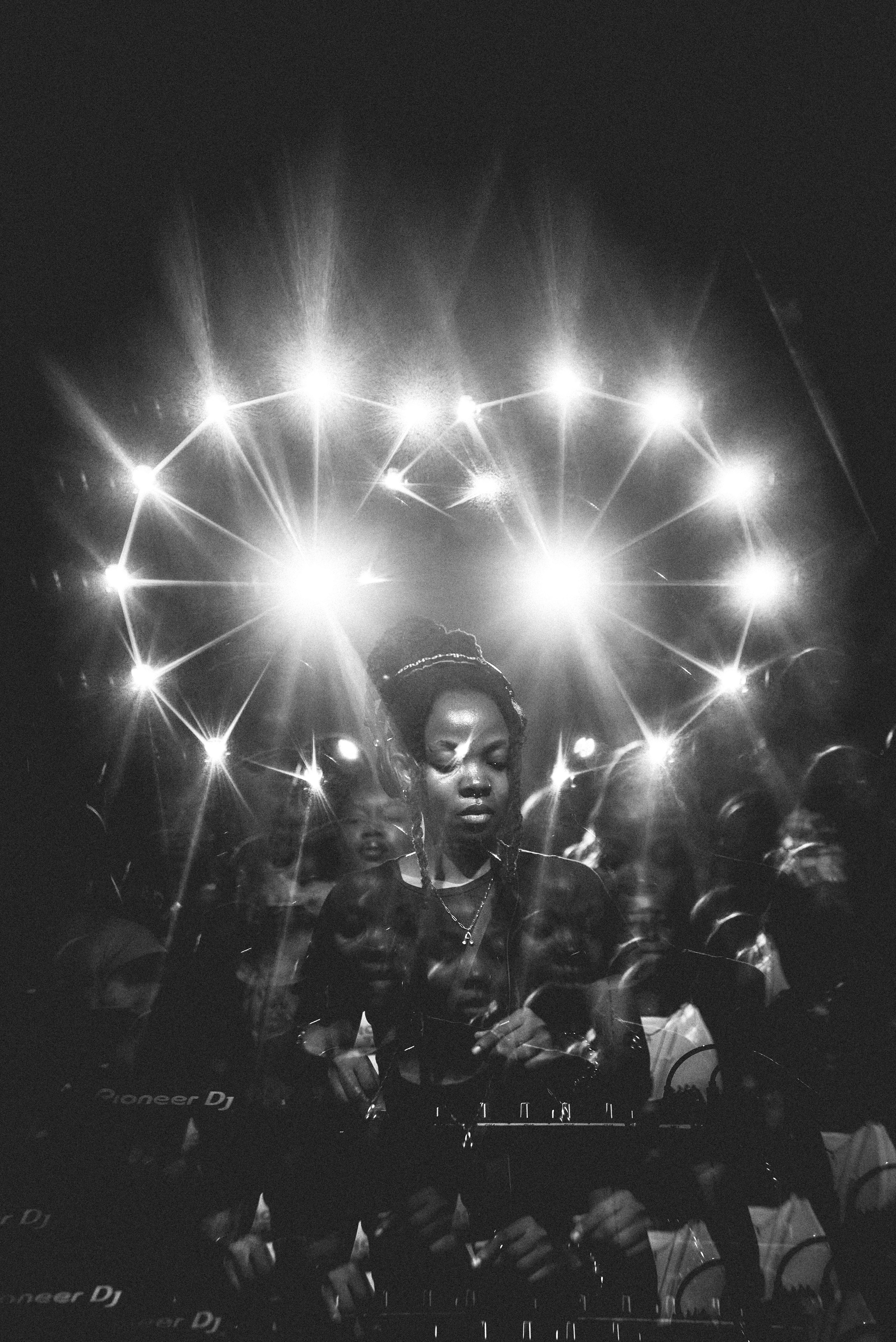
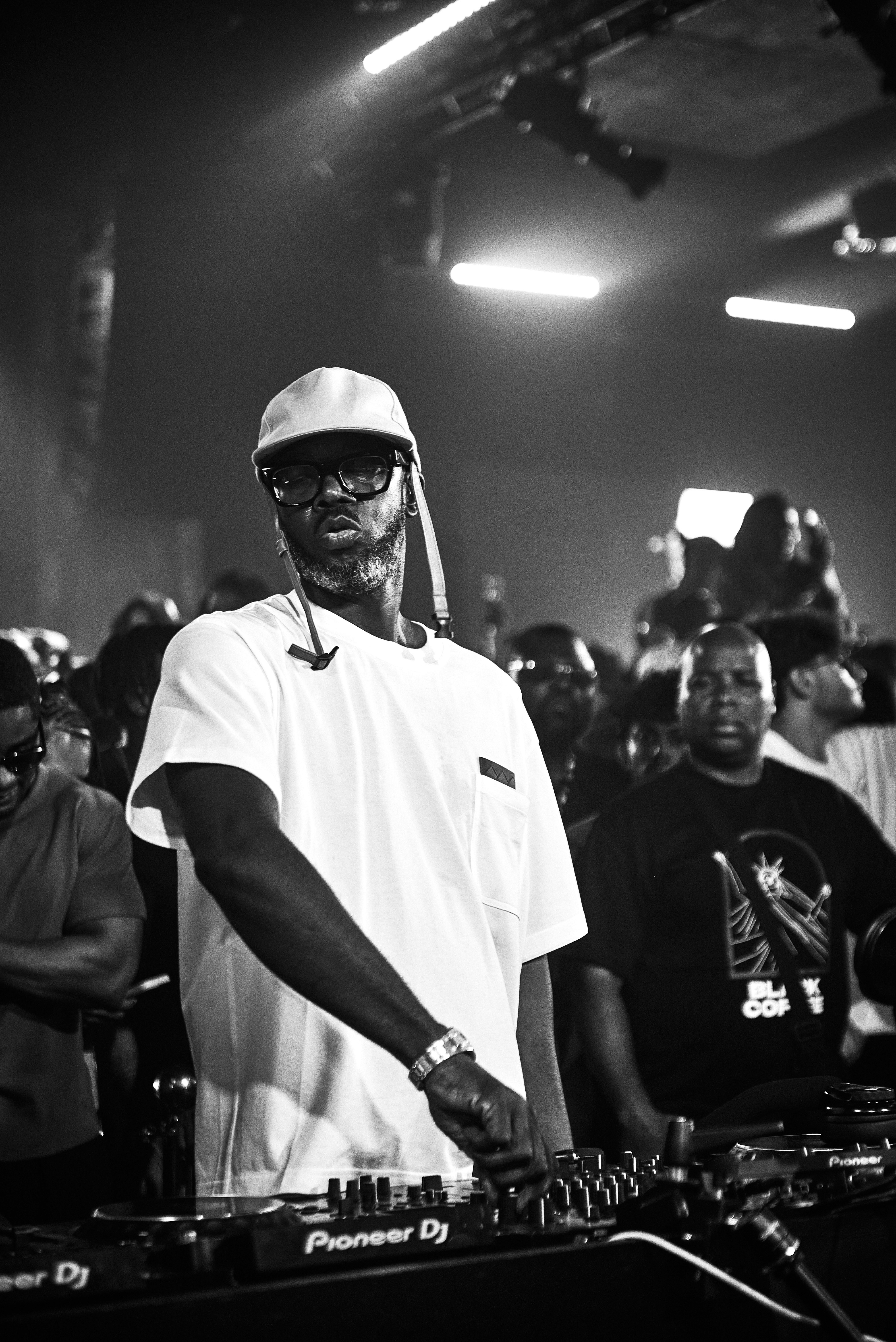
Beyond the historical context, there's also the cultural principle that has guided rave culture from the beginning: Peace, Love, Unity and Respect — PLUR. It's what defines and justifies the interactions inside these spaces where there is no aggression, no hate, no judgment, just kindness and a shared, sweaty devotion to moving bodies to broken beats on a packed dancefloor. One of the most intrinsic beauties of a real rave is what it does for the DJs who play there, local organizers platforming underground talent who would otherwise never get booked, never get heard, never get paid. The internet has changed this dynamic, for better and worse, by amplifying underground subcultures across continents and making it easier for organizers everywhere to tap into scenes outside their own borders. That global reach is a gift. But it's also exactly how a word like "rave" gets exported, flattened, and resold without any of what made it valuable in the first place.
The conversation isn't new — we're just late to the party.
This is not a new argument. It's the same one hip-hop has had with itself for forty years, every time a new wave of artists got accused of wearing the culture without living it. It's the same one punk had in the UK and the US once the leather jackets and safety pins became fashion-week inspiration boards stripped of the politics that made them mean something. And it's the exact conversation Afrobeats is having internally right now — about who gets to claim the sound, what counts as authentic, and what gets lost when a movement becomes a regional marketing category.
Every subculture eventually hits this fork: either the language stays tethered to the values that produced it, or the aesthetics get extracted and sold separately, like meat stripped from the bone. Right now, Nigerian event culture is choosing the second option without realizing it. Promoters, brands, media outlets and attendees have all gotten careless with the word "rave," applying it to nearly any gathering with a DJ and ambient lighting. And in doing so, we strip the term of its cultural, political and historical meaning — not maliciously, but carelessly, which might honestly be worse.