" transform="translate(2.266 2.266)" width="17.218780000000002px"/><path d="M 8.156 4.078 C 8.156 5.16 7.727 6.197 6.962 6.962 C 6.197 7.727 5.16 8.156 4.078 8.156 C 2.997 8.156 1.959 7.727 1.194 6.962 C 0.43 6.197 0 5.16 0 4.078 C 0 2.997 0.43 1.959 1.194 1.194 C 1.959 0.43 2.997 0 4.078 0 C 5.16 0 6.197 0.43 6.962 1.194 C 7.727 1.959 8.156 2.997 8.156 4.078 Z" fill="transparent" height="8.15622px" id="O9Ncbsd4H" stroke-dasharray="" stroke-linecap="butt" stroke-linejoin="miter" stroke-miterlimit="10" stroke-width="1.35938" stroke="rgb(31, 31, 31)" transform="translate(6.797 6.797)" width="8.15622px"/><path d="M 0.009 0 L 0 0" fill="transparent" height="1px" id="twDD_I79T" stroke-dasharray="" stroke-linecap="round" stroke-linejoin="round" stroke-width="1.8125" stroke="rgb(31, 31, 31)" transform="translate(15.857 5.891)" width="1px"/></svg>)
" transform="translate(2.719 2.719)" width="16.312450191802977px"/></svg>)
Apr 24, 2026 - Events
A TIME WAS HAD AT HOMECOMING HIFI 2026

Apr 24, 2026 - Events
A TIME WAS HAD AT HOMECOMING HIFI 2026
Jan 24, 2025 - Written by Black noise magazine
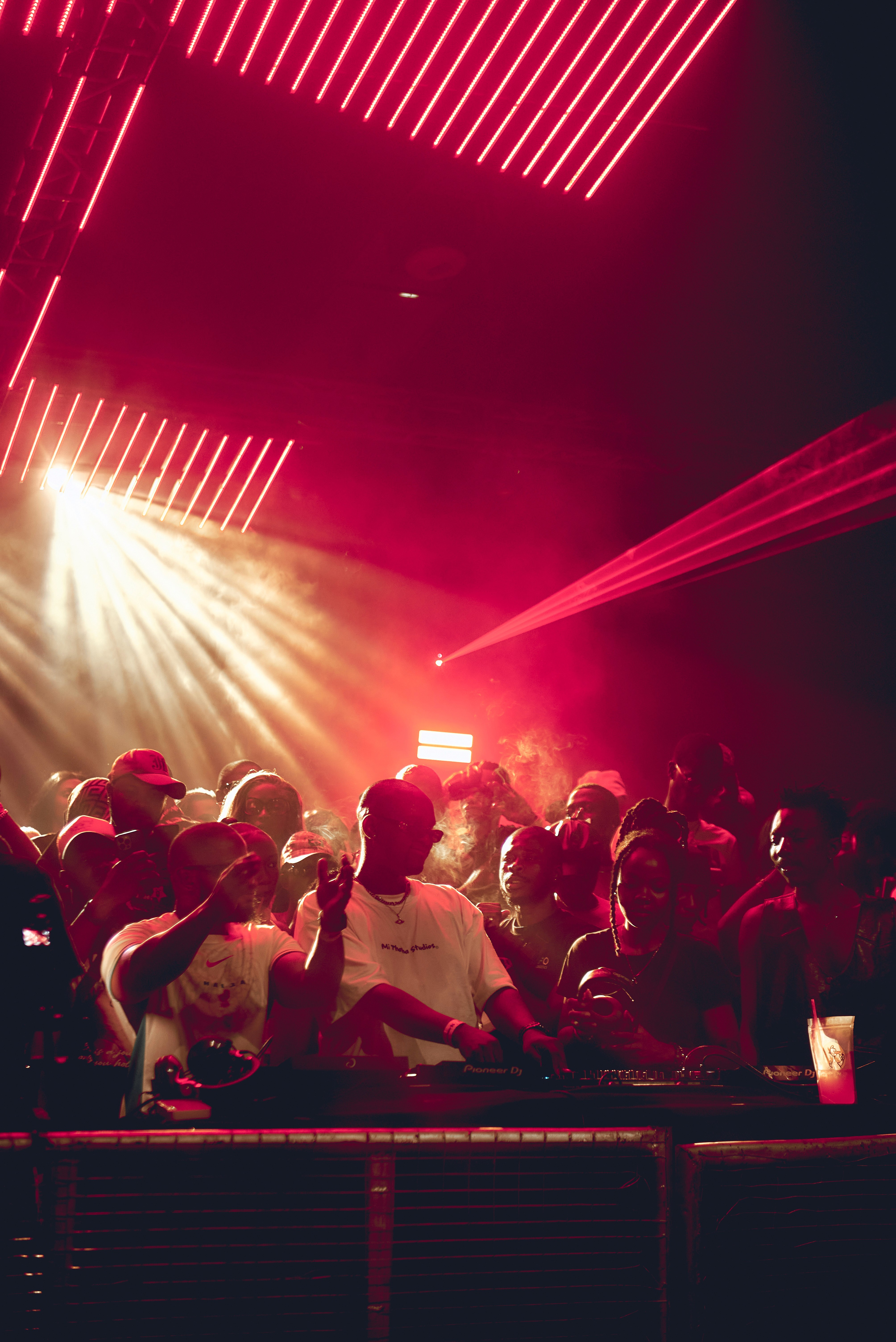
There is a particular kind of tension that sits at the beginning of nights like this, not uncertainty exactly, but a quiet sense that multiple worlds are about to occupy the same space at once, each arriving with its own references, its own expectations, and its own way of hearing the music, and for a moment, none of it is fully aligned. What HiFi 2026 understood, and what it allowed to happen without forcing it, is that this alignment does not need to be immediate to be effective, it only needs time, and the right sequence of sound, to settle into itself.
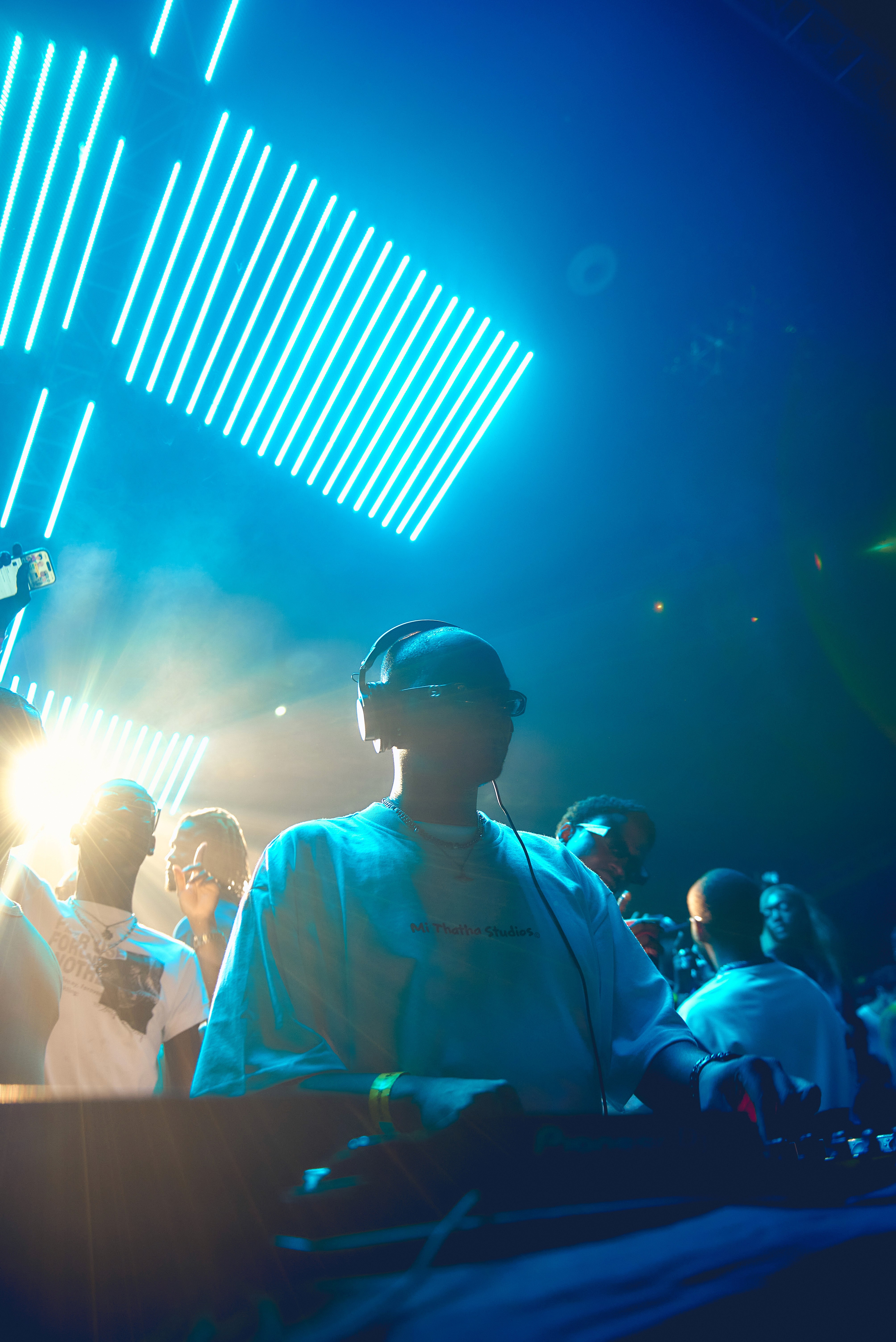
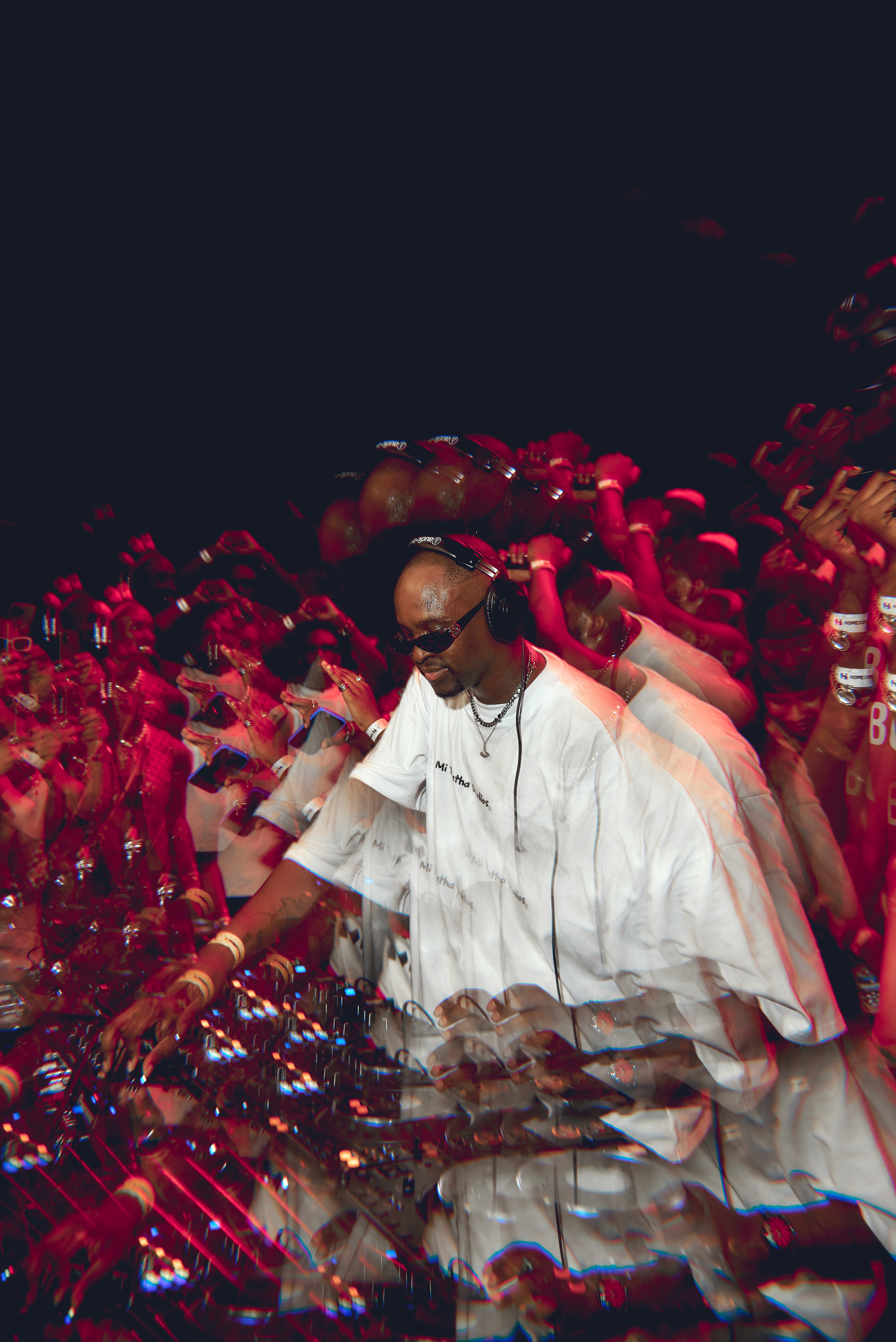
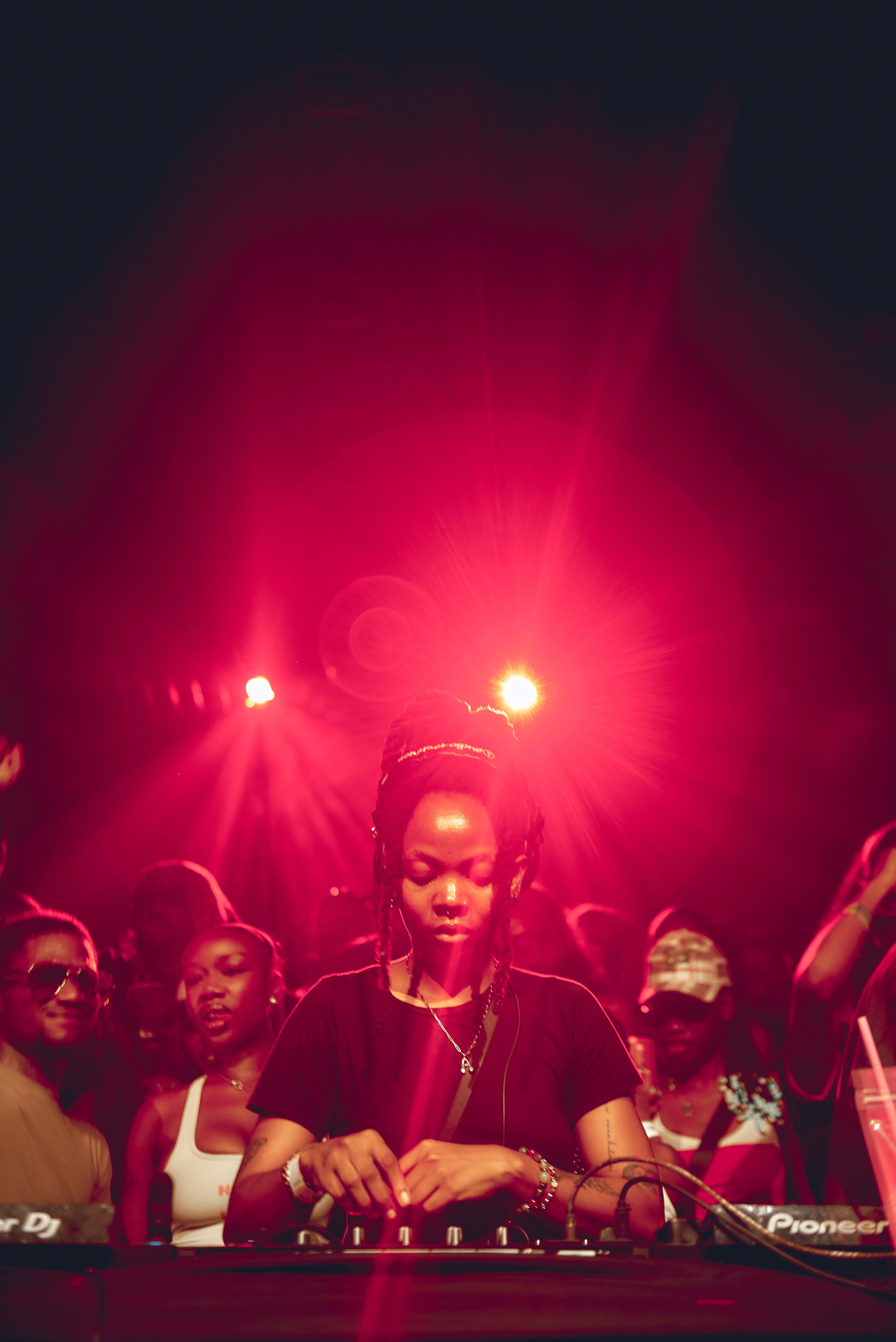
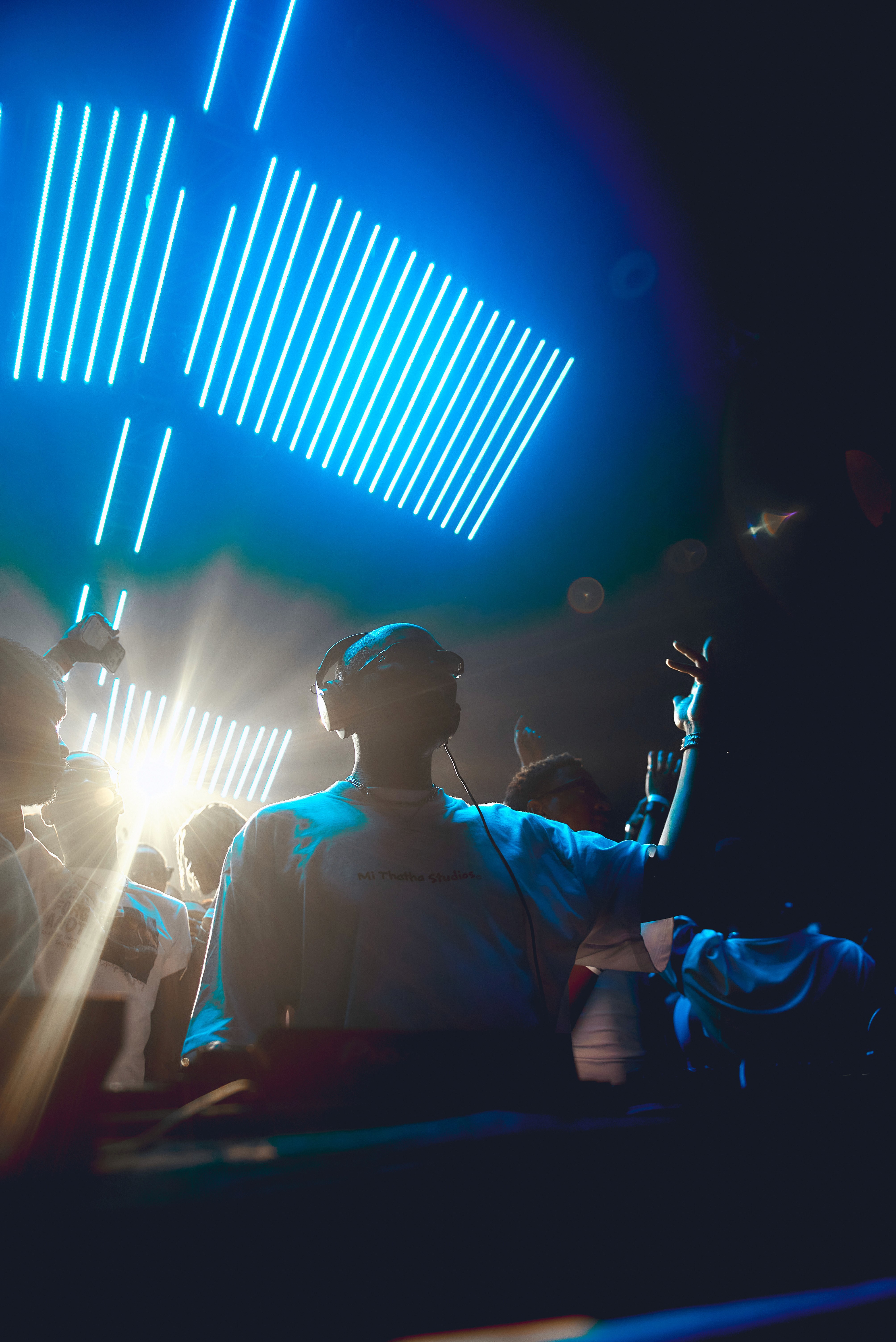
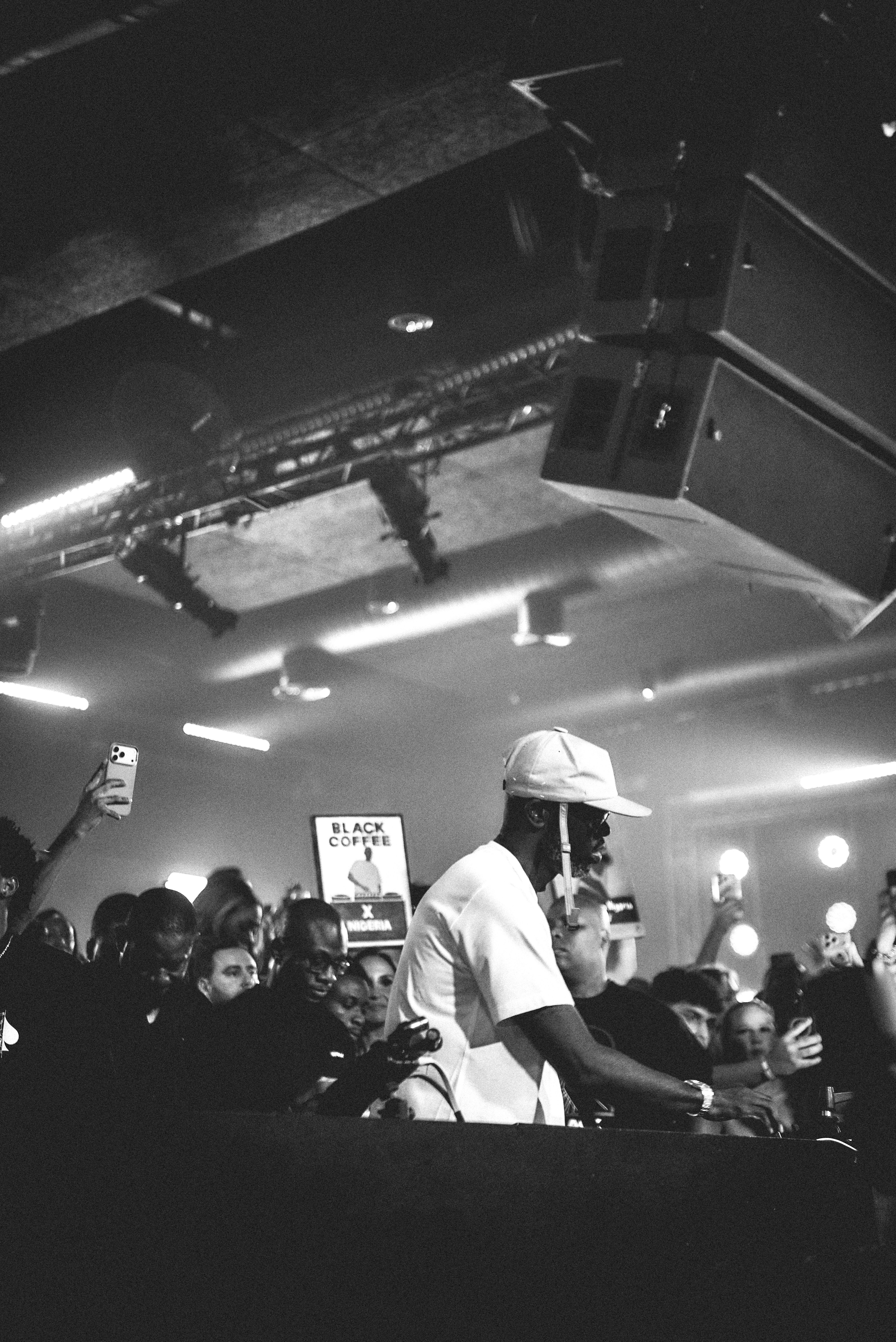
By the time Thakzin took control of the room, that process had already begun. His set did not try to accelerate the night or impose a direction too quickly, instead it leaned into a kind of patient precision, allowing rhythm to stretch, to loop, to return to itself, until the room began to respond not in bursts but in continuity. What followed carried that same sense of restraint, with Lelowhatsgood moving through selections that felt less like transitions and more like extensions, each moment folding into the next without announcing itself, without breaking the line that had already been drawn.
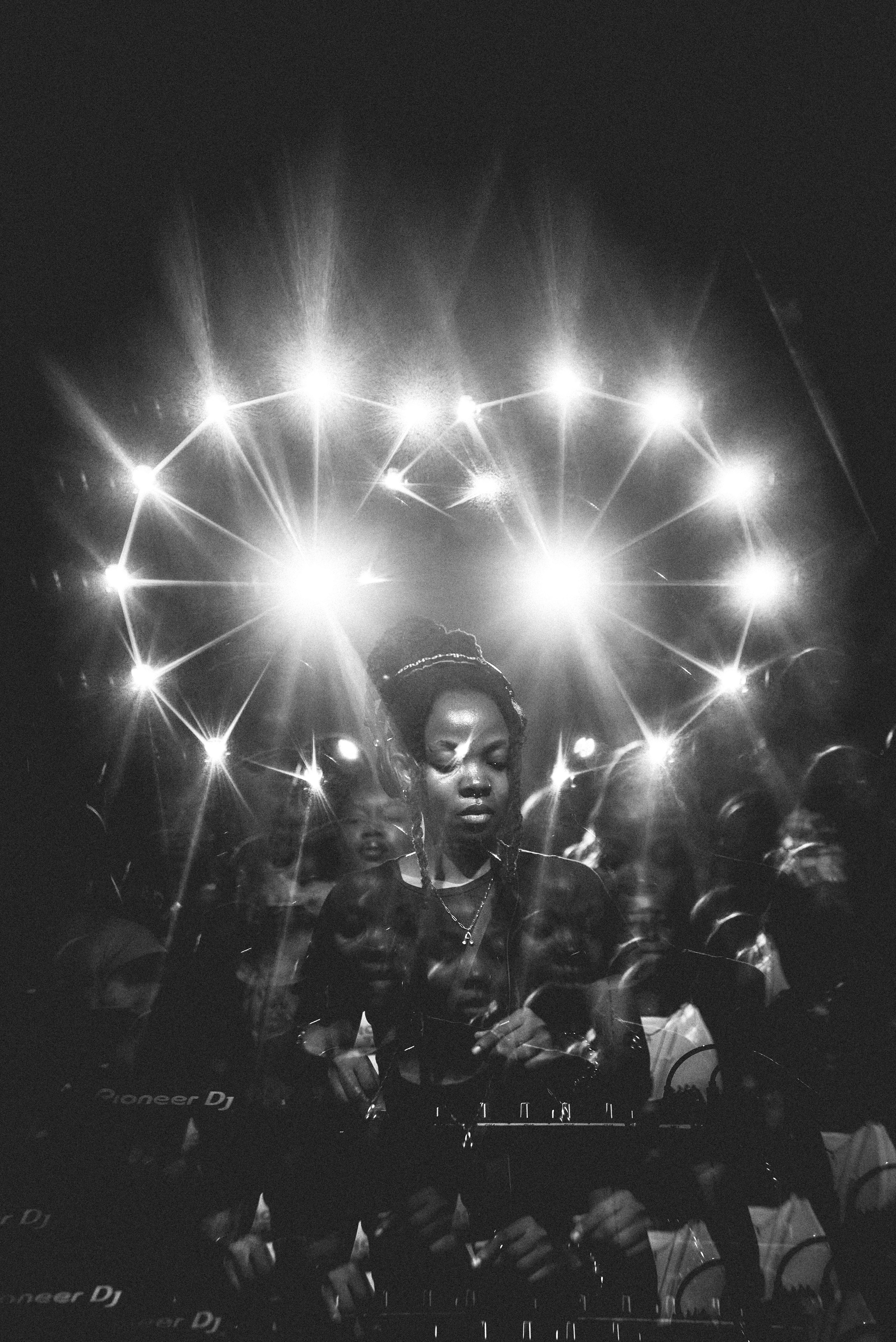
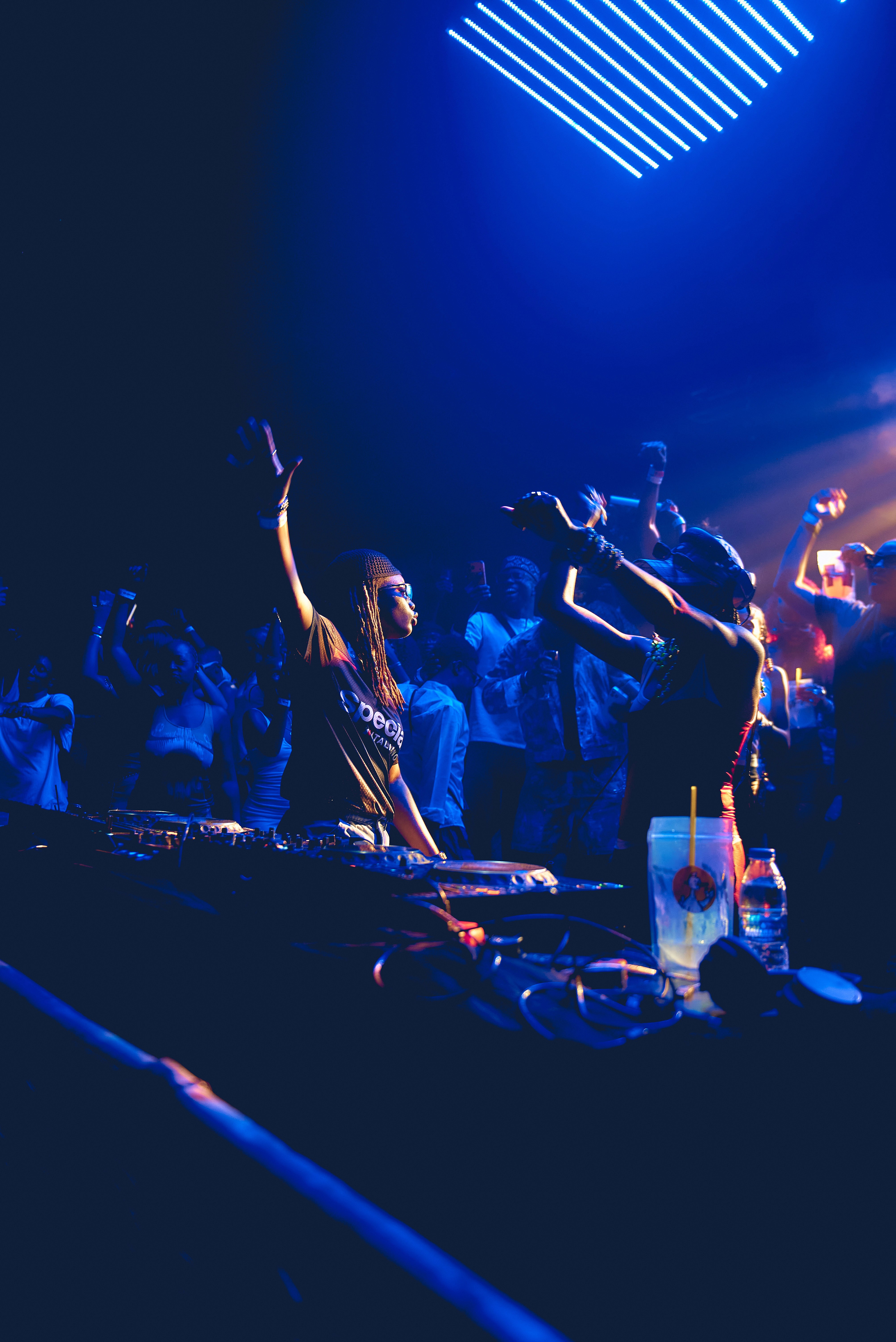
When Aniko stepped in alongside WeAreAllChemicals, the shift in energy did not arrive as a rupture but as a widening, the floor opening up slightly, the movement becoming looser, more responsive, less contained, as if the set was listening as much as it was leading. Elsewhere, Yanfffs and Partyboy continued in that same register, refusing the idea of reset, allowing the night to carry forward as a single, evolving line rather than a series of isolated moments.
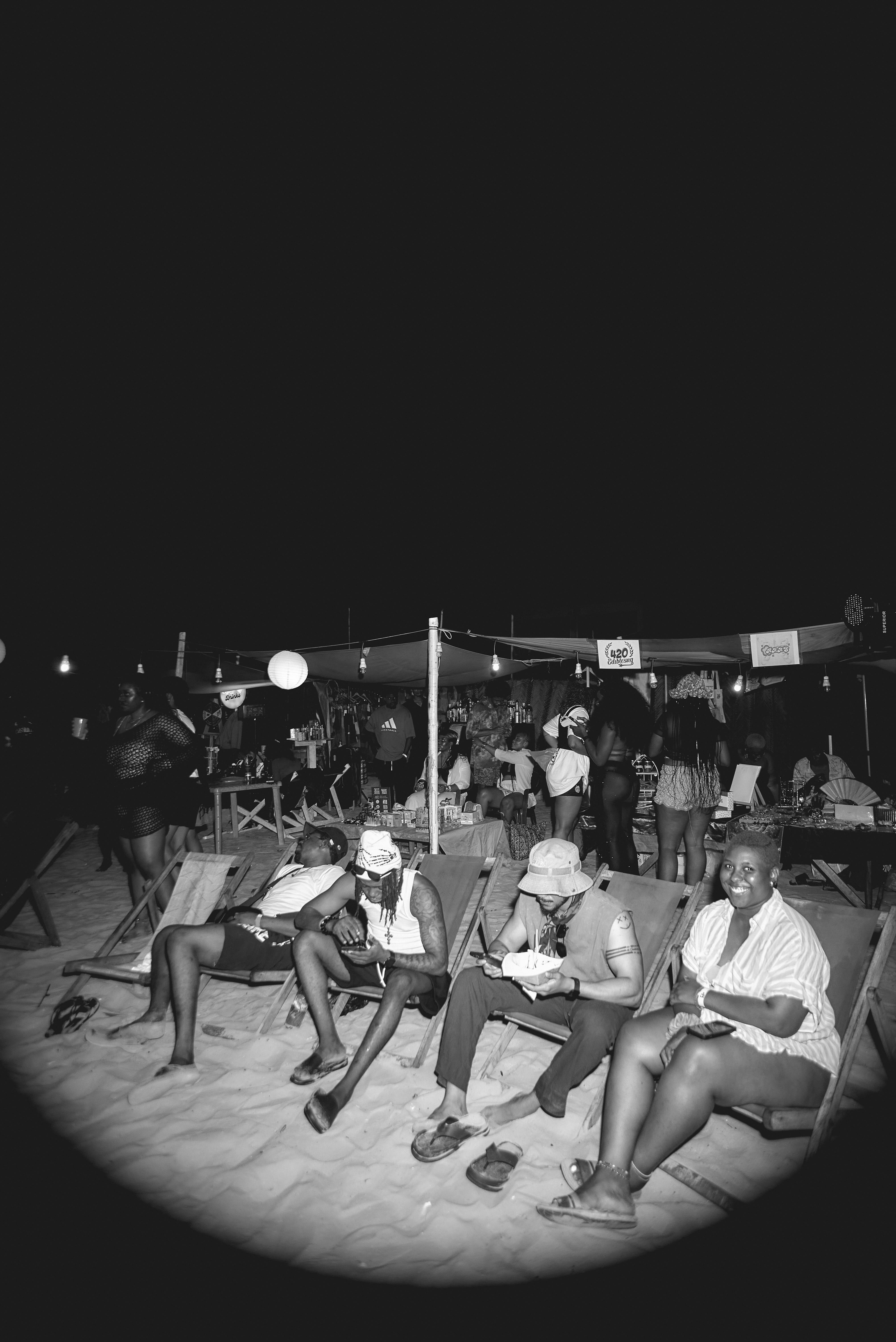
What emerged, gradually and without announcement, was a room that no longer felt divided by entry point or familiarity, but unified by a shared understanding that did not need to be explained. The distinctions that usually sit between scenes, between local and visiting, between those who know and those who are still learning, began to dissolve, not because they were erased, but because they stopped mattering in the presence of a sound that held everything together long enough for that shift to occur.
HiFi 2026 did not force cohesion, and that is precisely why it worked. It allowed the scene to reveal itself as it already exists, layered, fluid, and in conversation with itself, rather than something that needs to be defined from the outside.
Jan 24, 2025 - Written by Black noise magazine
There is a particular kind of tension that sits at the beginning of nights like this, not uncertainty exactly, but a quiet sense that multiple worlds are about to occupy the same space at once, each arriving with its own references, its own expectations, and its own way of hearing the music, and for a moment, none of it is fully aligned. What HiFi 2026 understood, and what it allowed to happen without forcing it, is that this alignment does not need to be immediate to be effective, it only needs time, and the right sequence of sound, to settle into itself.
By the time Thakzin took control of the room, that process had already begun. His set did not try to accelerate the night or impose a direction too quickly, instead it leaned into a kind of patient precision, allowing rhythm to stretch, to loop, to return to itself, until the room began to respond not in bursts but in continuity. What followed carried that same sense of restraint, with Lelowhatsgood moving through selections that felt less like transitions and more like extensions, each moment folding into the next without announcing itself, without breaking the line that had already been drawn.
When Aniko stepped in alongside WeAreAllChemicals, the shift in energy did not arrive as a rupture but as a widening, the floor opening up slightly, the movement becoming looser, more responsive, less contained, as if the set was listening as much as it was leading. Elsewhere, Yanfffs and Partyboy continued in that same register, refusing the idea of reset, allowing the night to carry forward as a single, evolving line rather than a series of isolated moments.
What emerged, gradually and without announcement, was a room that no longer felt divided by entry point or familiarity, but unified by a shared understanding that did not need to be explained. The distinctions that usually sit between scenes, between local and visiting, between those who know and those who are still learning, began to dissolve, not because they were erased, but because they stopped mattering in the presence of a sound that held everything together long enough for that shift to occur.
HiFi 2026 did not force cohesion, and that is precisely why it worked. It allowed the scene to reveal itself as it already exists, layered, fluid, and in conversation with itself, rather than something that needs to be defined from the outside.

Black Noise Mag
Black Noise Mag

Black Noise Mag