" transform="translate(2.266 2.266)" width="17.218780000000002px"/><path d="M 8.156 4.078 C 8.156 5.16 7.727 6.197 6.962 6.962 C 6.197 7.727 5.16 8.156 4.078 8.156 C 2.997 8.156 1.959 7.727 1.194 6.962 C 0.43 6.197 0 5.16 0 4.078 C 0 2.997 0.43 1.959 1.194 1.194 C 1.959 0.43 2.997 0 4.078 0 C 5.16 0 6.197 0.43 6.962 1.194 C 7.727 1.959 8.156 2.997 8.156 4.078 Z" fill="transparent" height="8.15622px" id="O9Ncbsd4H" stroke-dasharray="" stroke-linecap="butt" stroke-linejoin="miter" stroke-miterlimit="10" stroke-width="1.35938" stroke="rgb(31, 31, 31)" transform="translate(6.797 6.797)" width="8.15622px"/><path d="M 0.009 0 L 0 0" fill="transparent" height="1px" id="twDD_I79T" stroke-dasharray="" stroke-linecap="round" stroke-linejoin="round" stroke-width="1.8125" stroke="rgb(31, 31, 31)" transform="translate(15.857 5.891)" width="1px"/></svg>)
" transform="translate(2.719 2.719)" width="16.312450191802977px"/></svg>)
Jan 24, 2025 - New releases
TECHNO HAS FOUND A HOME IN EAST AFRICA AND FEMME FREQUENCIES IS HELPING TO BUILD
Inside the collective building space, visibility, and community for women in the region’s underground electronic scene
Jan 24, 2025 - New releases
TECHNO HAS FOUND A HOME IN EAST AFRICA AND FEMME FREQUENCIES IS HELPING TO BUILD
Inside the collective building space, visibility, and community for women in the region’s underground electronic scene
Jan 24, 2025 - Written by Israel Ajayi
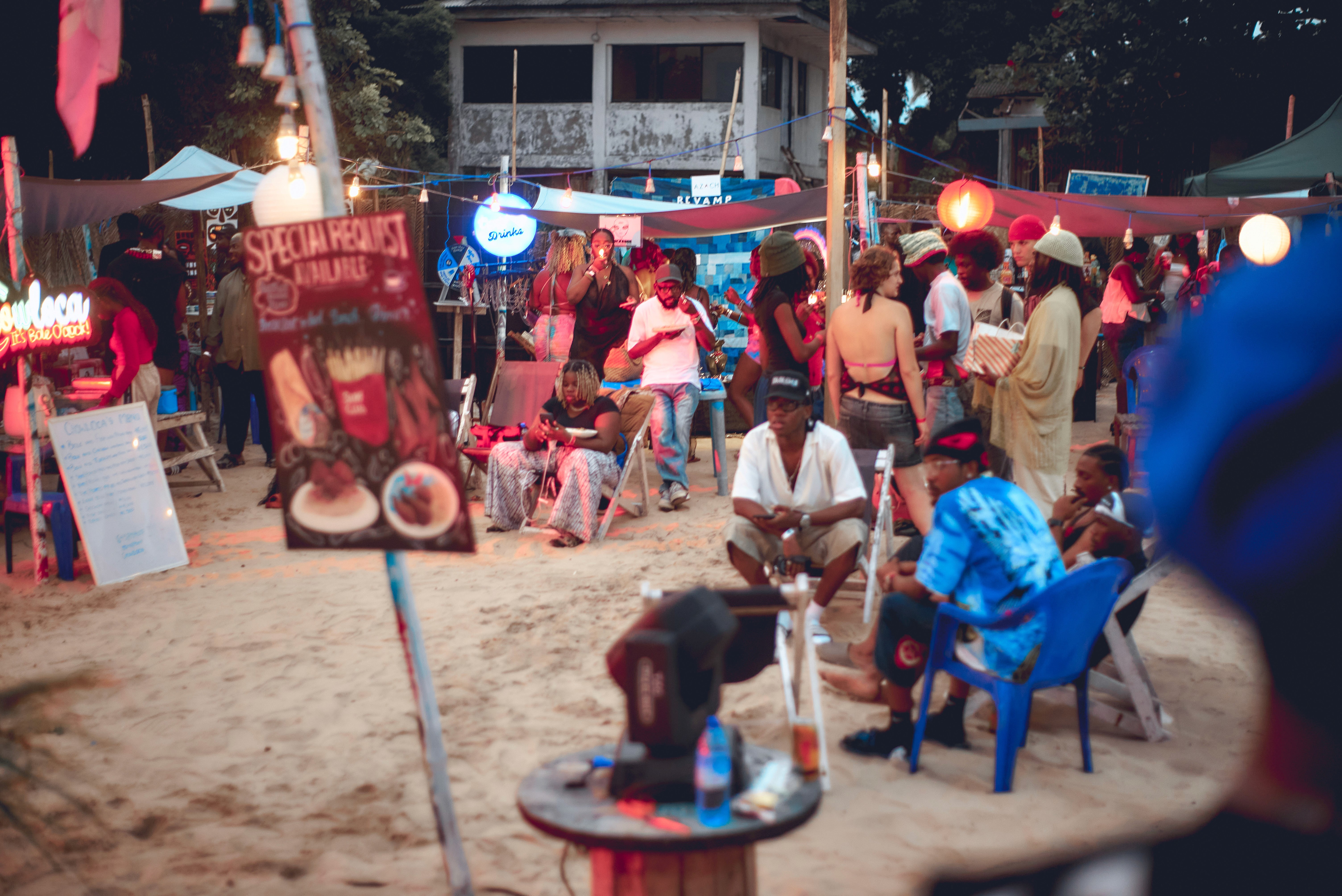
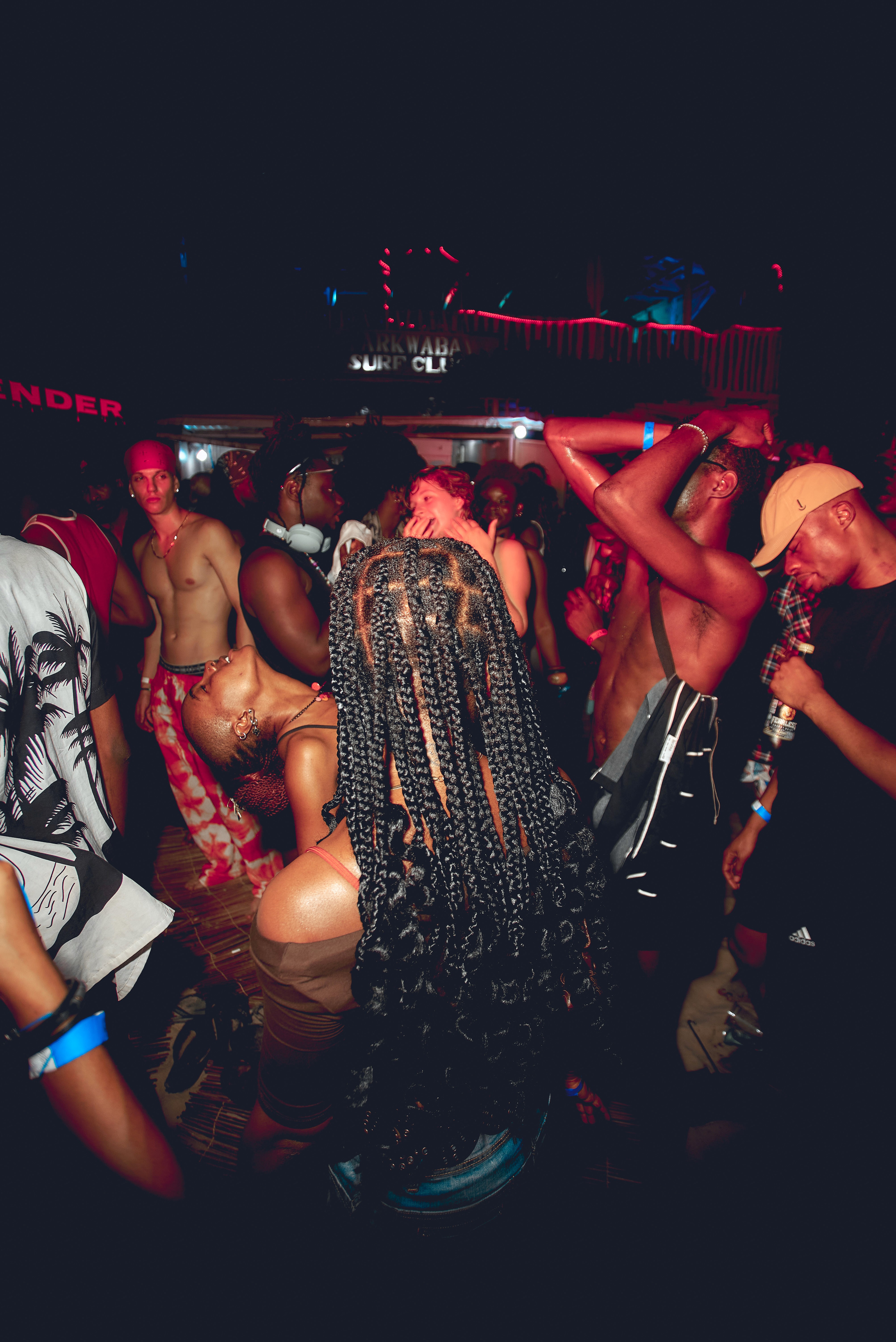
Electronic music is moving rapidly across the continent right now. As Afro-house and amapiano continue to pull global attention toward African dance music, East Africa’s own underground electronic ecosystem has been taking shape more deliberately, through DIY parties, small collectives, and scenes built with far less infrastructure than their counterparts in Europe or North America. Kampala, in particular, has become one of the places where that energy feels most concentrated.
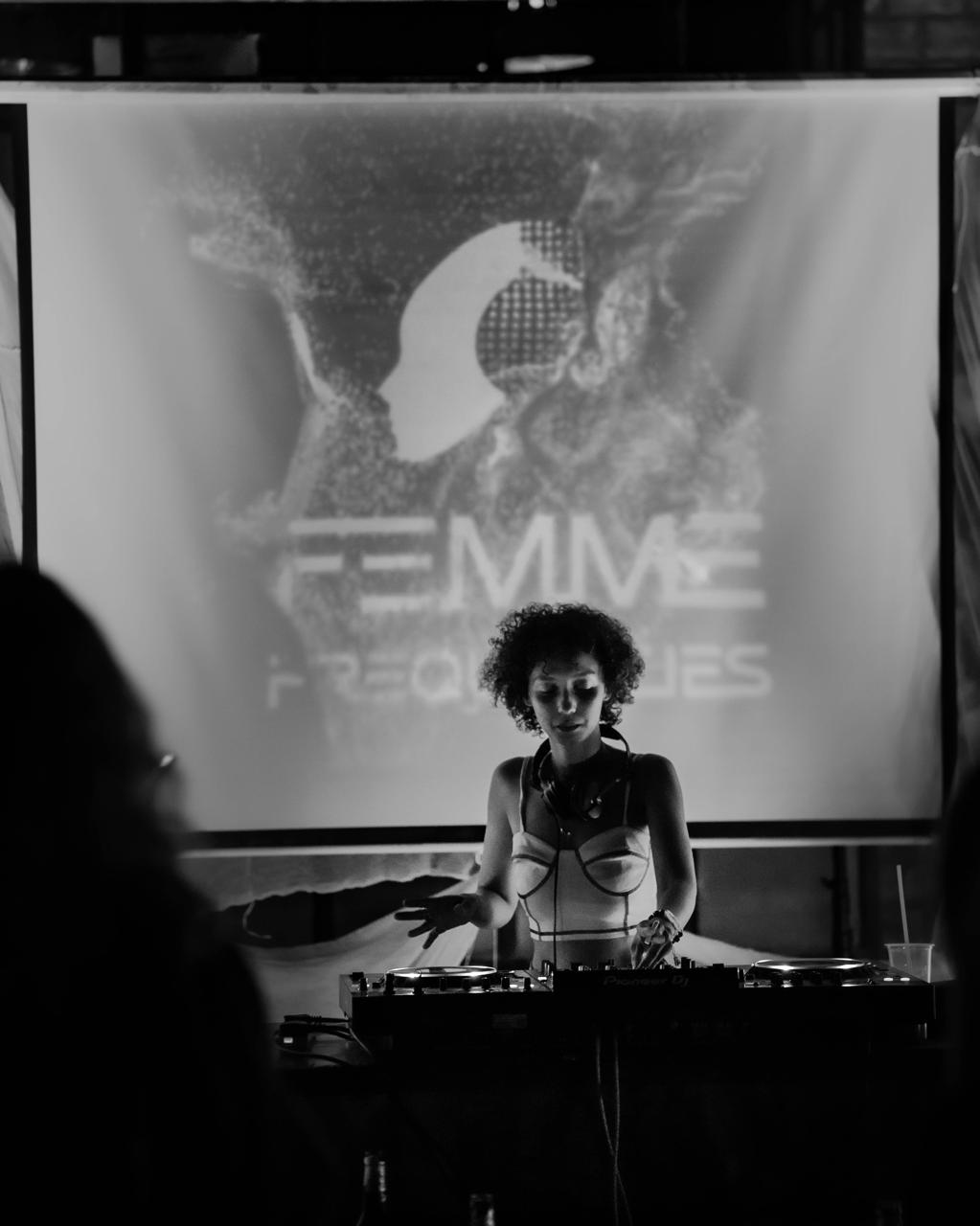
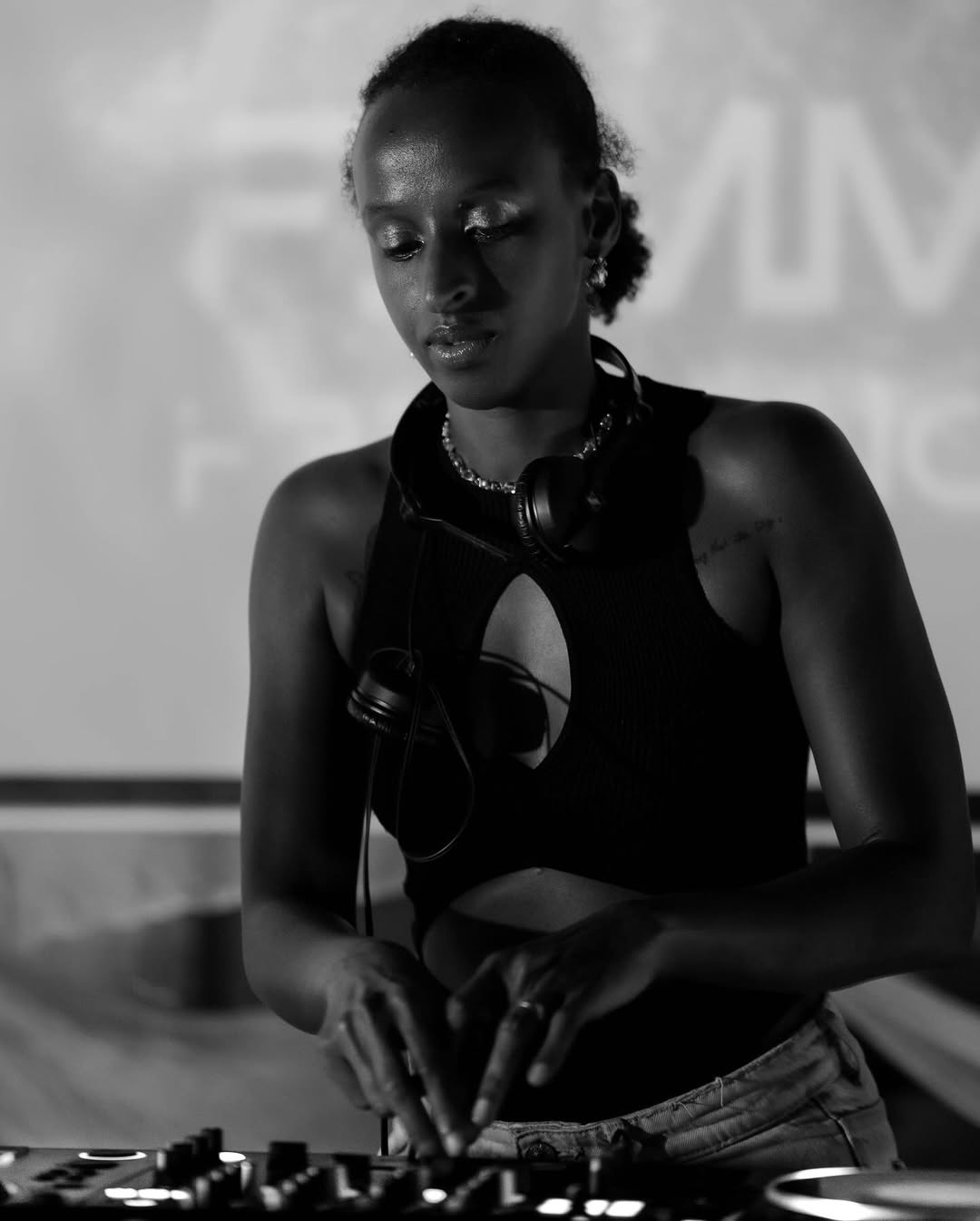
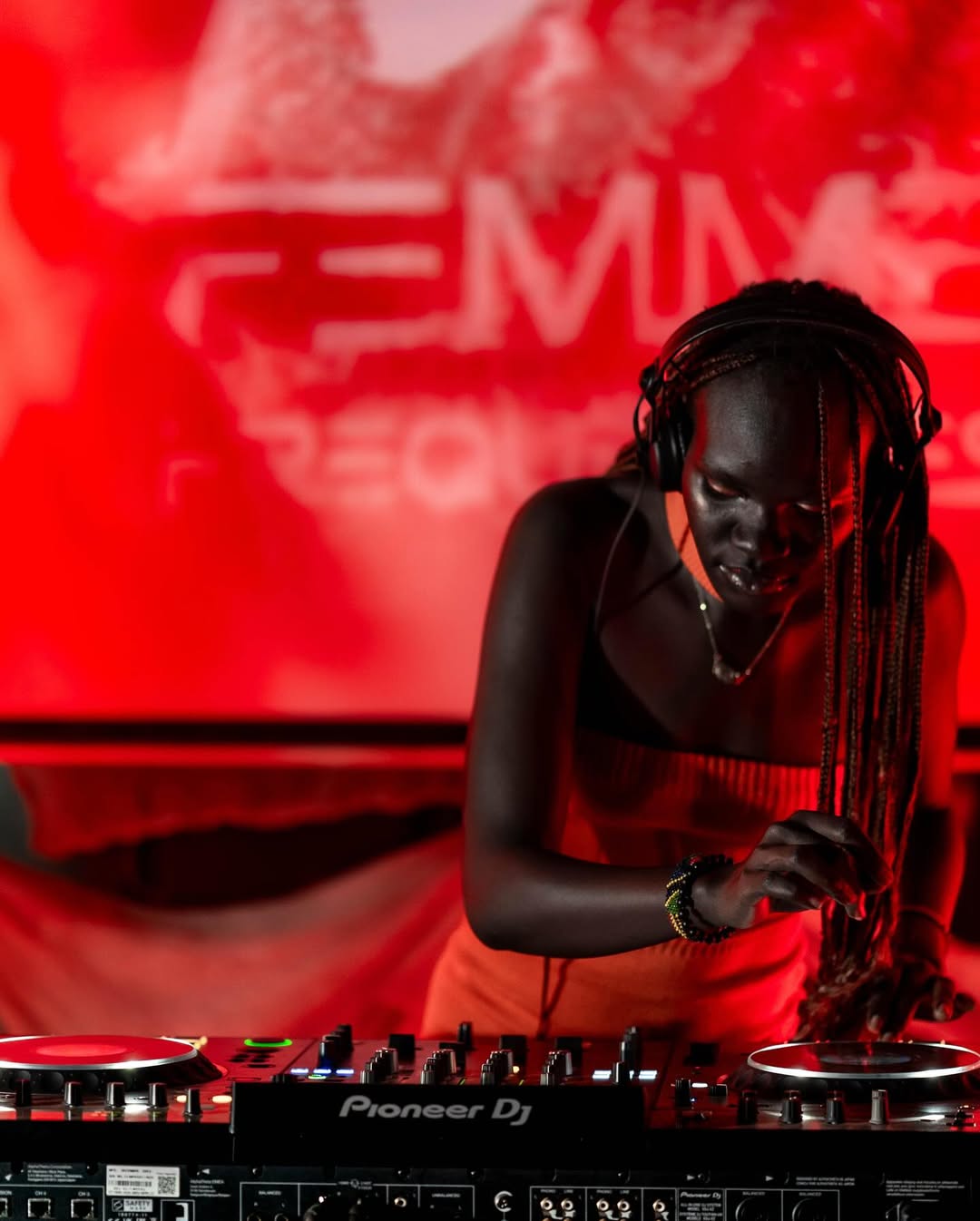
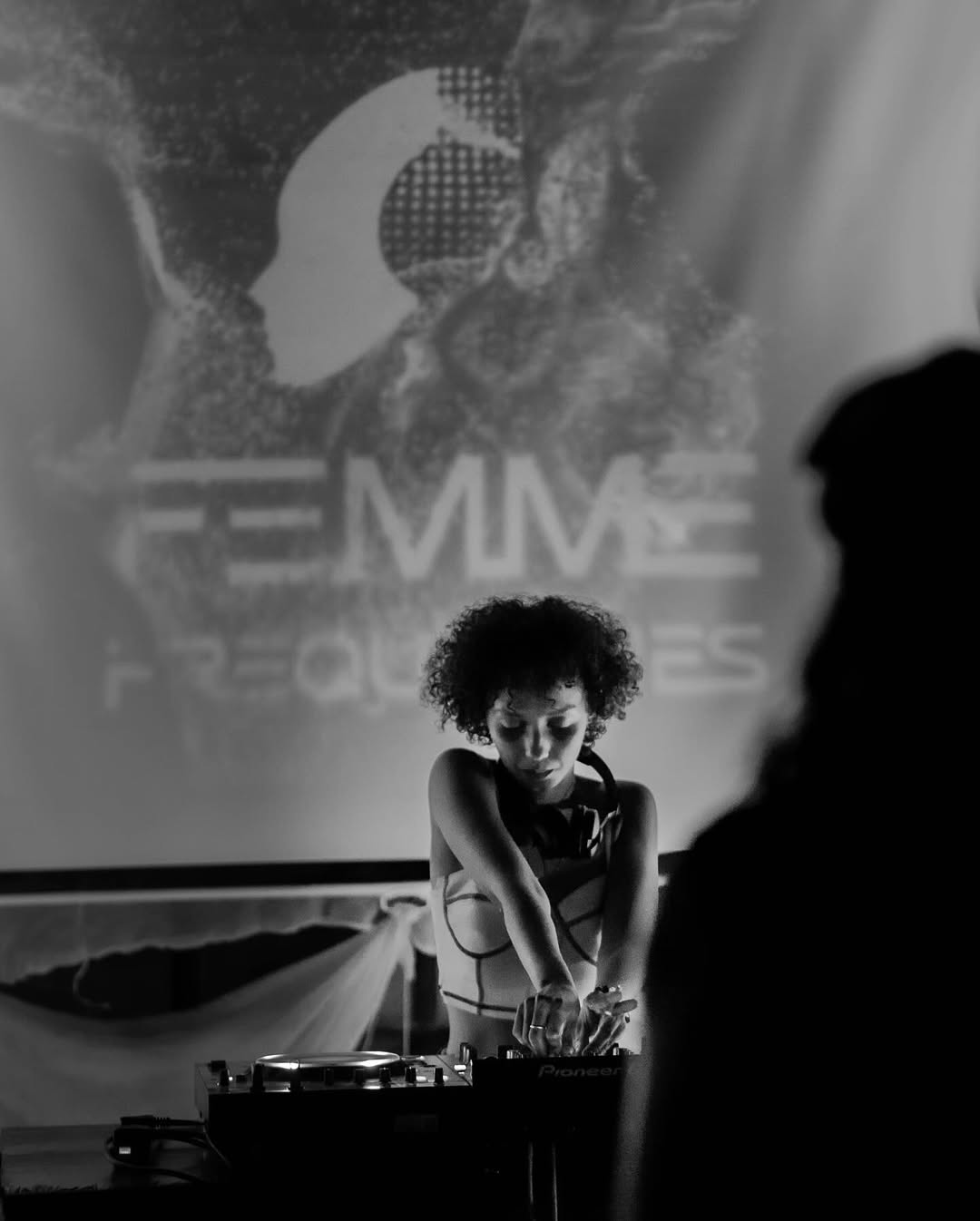
Within that landscape, Femme Frequencies has emerged as one of the more intentional projects. Born in Uganda’s underground and positioned as a platform for women in techno, the collective has been building events, visibility, and community for artists working within a scene that still doesn’t have enough institutional support, local infrastructure, or access for women.
Black Noise Mag sat with the co-founders, curators, and members of Femme Frequencies to talk about what they’re trying to build for the East African techno scene, how they got here, and why spaces like this have remained difficult for African women to access in the first place.
For some of them, the relationship to techno started with a realization that the music needed to be experienced properly before it could really make sense.
Got you. Clean, fast, structured properly, questions included, and light fixes on grammar/punctuation without changing meaning.
Jan 24, 2025 - Written by Israel Ajayi
Electronic music is moving rapidly across the continent right now. As Afro-house and amapiano continue to pull global attention toward African dance music, East Africa’s own underground electronic ecosystem has been taking shape more deliberately, through DIY parties, small collectives, and scenes built with far less infrastructure than their counterparts in Europe or North America. Kampala, in particular, has become one of the places where that energy feels most concentrated.
Within that landscape, Femme Frequencies has emerged as one of the more intentional projects. Born in Uganda’s underground and positioned as a platform for women in techno, the collective has been building events, visibility, and community for artists working within a scene that still doesn’t have enough institutional support, local infrastructure, or access for women.
Black Noise Mag sat with the co-founders, curators, and members of Femme Frequencies to talk about what they’re trying to build for the East African techno scene, how they got here, and why spaces like this have remained difficult for African women to access in the first place.
For some of them, the relationship to techno started with a realization that the music needed to be experienced properly before it could really make sense.
Got you. Clean, fast, structured properly, questions included, and light fixes on grammar/punctuation without changing meaning.
Origins, Environment, and Access
Origins, Environment, and Access

Where were you when techno first made sense to you—not just as sound, but as something personal? What did it change in how you saw yourself or your environment?
NANGOBI (DJ & Curator):
“I truly didn’t understand the impact and depth of techno until attending a Pan-Pot show at the E1 nightclub in London. Techno is not just repetitive—it is, in fact, intricate and complex—but you first have to experience it fully with a great sound system.
The first thing that struck me about techno was its crowds. There is something about techno crowds and lovers that is different. They attend shows and events for the love of the music. It is their version of meditation and space for contemplation.
For underground techno sub-genres, I believe it takes a patient mind to appreciate it properly, as it’s a genre often without lyrics and big drops. This is why I gravitate towards underground techno today—it fosters people who are willing to invest time and focus into appreciating pieces of art, not just people who are looking for big hits of dopamine.
NANGOBI (DJ & Curator):
“I truly didn’t understand the impact and depth of techno until attending a Pan-Pot show at the E1 nightclub in London. Techno is not just repetitive—it is, in fact, intricate and complex—but you first have to experience it fully with a great sound system.
The first thing that struck me about techno was its crowds. There is something about techno crowds and lovers that is different. They attend shows and events for the love of the music. It is their version of meditation and space for contemplation.
For underground techno sub-genres, I believe it takes a patient mind to appreciate it properly, as it’s a genre often without lyrics and big drops. This is why I gravitate towards underground techno today—it fosters people who are willing to invest time and focus into appreciating pieces of art, not just people who are looking for big hits of dopamine.
Where were you when techno first made sense to you—not just as sound, but as something personal? What did it change in how you saw yourself or your environment?
NANGOBI (DJ & Curator):
“I truly didn’t understand the impact and depth of techno until attending a Pan-Pot show at the E1 nightclub in London. Techno is not just repetitive—it is, in fact, intricate and complex—but you first have to experience it fully with a great sound system.
The first thing that struck me about techno was its crowds. There is something about techno crowds and lovers that is different. They attend shows and events for the love of the music. It is their version of meditation and space for contemplation.
For underground techno sub-genres, I believe it takes a patient mind to appreciate it properly, as it’s a genre often without lyrics and big drops. This is why I gravitate towards underground techno today—it fosters people who are willing to invest time and focus into appreciating pieces of art, not just people who are looking for big hits of dopamine.
How has being based in East Africa shaped your relationship to electronic music differently from what you see happening in other parts of the world?
“I feel I have an interesting perspective, as I can compare my observations from living in Uganda for two years to my experiences living in the United States and traveling around Europe. In one statement—the East African creative scene needs more investment and support from everyone: stakeholders, participants, government leaders. It does not have the same support that you find in the United States or European countries.
With this, my time in Uganda made me feel extra motivated to give as much as I can to the scene—whether that be through co-hosting events, mentoring other female DJs, or simply just being one of the few women in the scene.
Apart from that, I have seen talented producers and curators within the electronic music network in Uganda who simply go unnoticed and/or don’t have the resources to travel and play abroad. Femme Frequencies will be a key organization driving change in this area in the future, and I feel we are uniquely positioned to do this in Sub-Saharan Africa as well as other regions.”
How has being based in East Africa shaped your relationship to electronic music differently from what you see happening in other parts of the world?
“I feel I have an interesting perspective, as I can compare my observations from living in Uganda for two years to my experiences living in the United States and traveling around Europe. In one statement—the East African creative scene needs more investment and support from everyone: stakeholders, participants, government leaders. It does not have the same support that you find in the United States or European countries.
With this, my time in Uganda made me feel extra motivated to give as much as I can to the scene—whether that be through co-hosting events, mentoring other female DJs, or simply just being one of the few women in the scene.
Apart from that, I have seen talented producers and curators within the electronic music network in Uganda who simply go unnoticed and/or don’t have the resources to travel and play abroad. Femme Frequencies will be a key organization driving change in this area in the future, and I feel we are uniquely positioned to do this in Sub-Saharan Africa as well as other regions.”
Femme Frequencies exists to amplify women and gender-expansive artists. Before joining, what gaps or barriers did you personally experience in the scene?
“Sexism and patriarchy within the electronic scene exist everywhere, not just East Africa. Most lineups you see are men, most producers are men—yet there is no shortage of women out there with talent and creative visions. While these issues are universal in the scene around the world, I believe Sub-Saharan Africa faces additional challenges. In a patriarchal society like Uganda, there are so few opportunities for women to learn how to DJ, produce, or feel supported.
On top of that, women in regions such as East Africa often face economic barriers to embracing creative projects and opportunities. No matter how much Femme Frequencies expands to other countries, we always want to maintain a focus on our roots in East Africa and continue to support women and the growth of techno music in this space.
Femme Frequencies exists to amplify women and gender-expansive artists. Before joining, what gaps or barriers did you personally experience in the scene?
“Sexism and patriarchy within the electronic scene exist everywhere, not just East Africa. Most lineups you see are men, most producers are men—yet there is no shortage of women out there with talent and creative visions. While these issues are universal in the scene around the world, I believe Sub-Saharan Africa faces additional challenges. In a patriarchal society like Uganda, there are so few opportunities for women to learn how to DJ, produce, or feel supported.
On top of that, women in regions such as East Africa often face economic barriers to embracing creative projects and opportunities. No matter how much Femme Frequencies expands to other countries, we always want to maintain a focus on our roots in East Africa and continue to support women and the growth of techno music in this space.
Building the Platform
Building the Platform
Femme Frequencies

Femme Frequencies
Femme Frequencies
Femme Frequencies
Femme Frequencies
What conditions made Femme Frequencies necessary? What wasn’t happening in the scene that forced you to build your own platform?
ANITRAXX (DJ & Co-founder):
“Femme Frequencies came from a gap in the East African electronic music scene, especially for the specific genre. Techno spaces here are limited, but also as a woman trying to enter that space, the barriers were even more obvious. It often felt like constantly fighting to be taken seriously, and I started to doubt myself. I realised that many women around me were experiencing the same thing. There were incredible female DJs, producers, and creatives, but very little visibility or consistent platforms within the techno scene. Instead of waiting for those spaces to open up, Femme Frequencies became a way to create one ourselves. We created a platform for women, by women, and also to create more visibility and acknowledgement for a genre we loved but didn’t have much of.”
What conditions made Femme Frequencies necessary? What wasn’t happening in the scene that forced you to build your own platform?
ANITRAXX (DJ & Co-founder):
“Femme Frequencies came from a gap in the East African electronic music scene, especially for the specific genre. Techno spaces here are limited, but also as a woman trying to enter that space, the barriers were even more obvious. It often felt like constantly fighting to be taken seriously, and I started to doubt myself. I realised that many women around me were experiencing the same thing. There were incredible female DJs, producers, and creatives, but very little visibility or consistent platforms within the techno scene. Instead of waiting for those spaces to open up, Femme Frequencies became a way to create one ourselves. We created a platform for women, by women, and also to create more visibility and acknowledgement for a genre we loved but didn’t have much of.”
How intentional are you about building community versus simply organising events? Where do you draw that line?
“Femme Frequencies has never been just about throwing events. Events are simply the format we use for now—a platform, if you may call it that, for visibility for the DJs—but the real goal is community and so much more. We intend to go beyond just events in the near future, through collaborations, artist exchanges, and building community all around, both here and globally. The intention is to create a space where women in electronic music can connect, support each other, and grow together, feel seen and safe, while also creating awareness of the techno scene and genre.
To me, this means thinking beyond the lineup. It’s about who feels welcome in the room, who gets opportunities, and how we create visibility for artists who might otherwise be overlooked. An event ends when the music stops, but a community continues to exist outside of that moment—through collaborations, friendships, mentorship, and people feeling like they belong in the scene.”
How intentional are you about building community versus simply organising events? Where do you draw that line?
“Femme Frequencies has never been just about throwing events. Events are simply the format we use for now—a platform, if you may call it that, for visibility for the DJs—but the real goal is community and so much more. We intend to go beyond just events in the near future, through collaborations, artist exchanges, and building community all around, both here and globally. The intention is to create a space where women in electronic music can connect, support each other, and grow together, feel seen and safe, while also creating awareness of the techno scene and genre.
To me, this means thinking beyond the lineup. It’s about who feels welcome in the room, who gets opportunities, and how we create visibility for artists who might otherwise be overlooked. An event ends when the music stops, but a community continues to exist outside of that moment—through collaborations, friendships, mentorship, and people feeling like they belong in the scene.”
What does safety actually mean in practice at your events—not as an idea, but as something people can physically feel?
“Honestly, I feel it starts with the way the space is curated. We have rules and guidelines that must be followed. We are intentional about the crowd, the energy, and the people we collaborate with as well. When people walk into the room, the goal is for them to feel like they can exist there freely and safely. We also prioritise having a team that understands the importance of respect and accountability within the space.
If someone feels unsafe or uncomfortable, they know there are people they can approach. I also feel when a space is led by women and built with care, people often see that difference immediately.”
What does safety actually mean in practice at your events—not as an idea, but as something people can physically feel?
“Honestly, I feel it starts with the way the space is curated. We have rules and guidelines that must be followed. We are intentional about the crowd, the energy, and the people we collaborate with as well. When people walk into the room, the goal is for them to feel like they can exist there freely and safely. We also prioritise having a team that understands the importance of respect and accountability within the space.
If someone feels unsafe or uncomfortable, they know there are people they can approach. I also feel when a space is led by women and built with care, people often see that difference immediately.”
How do you balance protecting the intimacy of your community while also growing and reaching wider audiences?
“Growth is important, yes, but it can’t come at the expense of what makes the space special. Femme Frequencies started as a very intentional community, and protecting that energy is always a priority. For us, growth doesn’t mean becoming bigger just for the sake of it. It means bringing more people into the culture in a way that still respects the foundation we built.
That means expanding the audience, collaborating with more artists, or reaching different cities, but always staying rooted in the core values of the platform. The goal is to grow organically and intentionally, so that even as more people discover Femme Frequencies, the sense of intimacy and community is still there.
How do you balance protecting the intimacy of your community while also growing and reaching wider audiences?
“Growth is important, yes, but it can’t come at the expense of what makes the space special. Femme Frequencies started as a very intentional community, and protecting that energy is always a priority. For us, growth doesn’t mean becoming bigger just for the sake of it. It means bringing more people into the culture in a way that still respects the foundation we built.
That means expanding the audience, collaborating with more artists, or reaching different cities, but always staying rooted in the core values of the platform. The goal is to grow organically and intentionally, so that even as more people discover Femme Frequencies, the sense of intimacy and community is still there.
Future, Scale, and Global Positioning
Future, Scale, and Global Positioning
Femme Frequencies
What responsibility comes with being part of a collective shaping the visibility of East African techno right now?
M4RYLAND (DJ & Co-founder):
“Our responsibility is really about building bridges between scenes. To achieve the goals we have set for the collective, we have learned that we need to be present in places like Europe and America, where the techno and underground scenes are bigger. This allows us to generate revenue that can support the collective’s growth internationally and create more opportunities for global artist exchange.
Femme Frequencies started in Uganda because there was a real need for a space where women could play and experience techno. The scene existed, but opportunities were limited, especially for female DJs. Creating that space was our starting point. Our responsibility also lies in curating lineups with good representation of artists in the countries where we host events, while also contributing to growing the techno scene in East African countries we host in. Currently, we have been hosting events in Uganda and Kenya for the most part. This month we are going to Rwanda.”
What responsibility comes with being part of a collective shaping the visibility of East African techno right now?
M4RYLAND (DJ & Co-founder):
“Our responsibility is really about building bridges between scenes. To achieve the goals we have set for the collective, we have learned that we need to be present in places like Europe and America, where the techno and underground scenes are bigger. This allows us to generate revenue that can support the collective’s growth internationally and create more opportunities for global artist exchange.
Femme Frequencies started in Uganda because there was a real need for a space where women could play and experience techno. The scene existed, but opportunities were limited, especially for female DJs. Creating that space was our starting point. Our responsibility also lies in curating lineups with good representation of artists in the countries where we host events, while also contributing to growing the techno scene in East African countries we host in. Currently, we have been hosting events in Uganda and Kenya for the most part. This month we are going to Rwanda.”
How do you ensure that Femme Frequencies remains rooted in the community rather than becoming absorbed into commercial nightlife structures?
“We avoid being absorbed into commercial nightlife structures by making sure the music at our events stays true to our mission and origin, which is to showcase different styles of techno curated by women. We make sure to give opportunities to local and new faces alongside more experienced DJs. We also focus on building community, providing training, visibility, and support to aspiring female DJs through events, workshops, open deck sessions, and performance opportunities in the regions where we operate.
On top of that, we work closely with local collectives and promoters wherever we host events, because every place has its own culture and community. It is best for us to work with the people that know the culture best.
For us, it comes down to one simple idea: global reach creates local impact.”
How do you ensure that Femme Frequencies remains rooted in the community rather than becoming absorbed into commercial nightlife structures?
“We avoid being absorbed into commercial nightlife structures by making sure the music at our events stays true to our mission and origin, which is to showcase different styles of techno curated by women. We make sure to give opportunities to local and new faces alongside more experienced DJs. We also focus on building community, providing training, visibility, and support to aspiring female DJs through events, workshops, open deck sessions, and performance opportunities in the regions where we operate.
On top of that, we work closely with local collectives and promoters wherever we host events, because every place has its own culture and community. It is best for us to work with the people that know the culture best.
For us, it comes down to one simple idea: global reach creates local impact.”
What do you think people outside East Africa misunderstand most about your scene?
“I think a lot of people assume there’s no techno in East Africa. The truth is, there is, but the scene is still small and growing. It’s very grassroots, driven by people who are passionate about the music and willing to create spaces for it themselves. What is often misunderstood is the level of experimentation, dedication, and cultural fusion happening within the scene. Limited infrastructure does not mean limited creativity. In many ways, it creates a stronger sense of purpose, collaboration, and innovation.
Another thing people misunderstand is rave culture. Some assume it doesn’t really fit East African countries, but it actually does. For many people there, the scene gives them a space to express themselves and their identities in ways they can’t anywhere else. Techno is freedom. For everyone.”
What do you think people outside East Africa misunderstand most about your scene?
“I think a lot of people assume there’s no techno in East Africa. The truth is, there is, but the scene is still small and growing. It’s very grassroots, driven by people who are passionate about the music and willing to create spaces for it themselves. What is often misunderstood is the level of experimentation, dedication, and cultural fusion happening within the scene. Limited infrastructure does not mean limited creativity. In many ways, it creates a stronger sense of purpose, collaboration, and innovation.
Another thing people misunderstand is rave culture. Some assume it doesn’t really fit East African countries, but it actually does. For many people there, the scene gives them a space to express themselves and their identities in ways they can’t anywhere else. Techno is freedom. For everyone.”
Where do you want Femme Frequencies to exist in five years, not just geographically, but culturally?
“In five years, we see Femme Frequencies as a global sisterhood of women in techno, connected across continents through collaboration and shared values. We want to be a trusted platform that elevates talent, gives artists visibility, and reshapes industry norms around gender, access, and representation. At the same time, we’ll keep promoting and growing the techno scene in East Africa through events, workshops, and collaborations.
Our vision is a living network—one that enables international exchange, creates real opportunities for artists, and helps make the global techno scene more balanced and inclusive.
Where do you want Femme Frequencies to exist in five years, not just geographically, but culturally?
“In five years, we see Femme Frequencies as a global sisterhood of women in techno, connected across continents through collaboration and shared values. We want to be a trusted platform that elevates talent, gives artists visibility, and reshapes industry norms around gender, access, and representation. At the same time, we’ll keep promoting and growing the techno scene in East Africa through events, workshops, and collaborations.
Our vision is a living network—one that enables international exchange, creates real opportunities for artists, and helps make the global techno scene more balanced and inclusive.
Click to see more
Click to see more

Black Noise Mag

Black Noise Mag

Black Noise Mag